Listen to Your Heart: A Romantic Drama About Love & Music

radicalthought.org – Listen to Your Heart (2010) is a romantic drama directed by Martha Coolidge that weaves a tale of love, music, and personal transformation. Set in the world of aspiring musicians, the film stars Alexis Bledel as the beautiful but reserved artist, and Scott Porter as a charming and talented singer-songwriter. The film explores themes of self-discovery, emotional healing, and the deep connections that music can create between people. With its heartwarming narrative and its focus on the power of love, Listen to Your Heart is a poignant exploration of how music and relationships can shape our lives and help us find the courage to be ourselves.

The Story: A Young Woman’s Journey Toward Love and Self-Acceptance

The story of Listen to Your Heart revolves around a young woman named Diana, played by Alexis Bledel, who is a gifted but shy songwriter and musician. Despite her talent, she struggles with self-doubt and is hesitant to fully embrace her own potential. Diana’s life takes a significant turn when she meets Michael, a talented and charismatic singer-songwriter played by Scott Porter. Their connection is immediate, and Michael encourages Diana to step out of her comfort zone both in her music and in her life.

The film follows their blossoming relationship as they bond over their shared love for music and support each other through the personal struggles they face. While Diana grapples with her own insecurities and fears of failure, Michael also has his own set of challenges—his burgeoning career and personal demons. As their relationship deepens, Diana and Michael learn to navigate the complexities of love and ambition, ultimately finding a sense of purpose and emotional growth through their shared passion for music.

The central plot of Listen to Your Heart is not just about romance but also about overcoming personal barriers. Diana’s journey is one of self-acceptance and confidence, as she learns to trust herself and embrace her talents. The film emphasizes how love and creative collaboration can inspire individuals to find their true selves, even in the face of adversity.

Themes of Love, Music, and Emotional Healing

One of the central themes of Listen to Your Heart is the idea that love can be a transformative force. The relationship between Diana and Michael is portrayed as one that allows them both to grow emotionally and creatively. Their connection is not just romantic but also deeply supportive, as they inspire each other to pursue their dreams and deal with their respective struggles.

Music is another key element of the film. Both Diana and Michael are musicians, and their shared love for music provides a backdrop for their emotional journeys. The film explores how music can serve as a medium for emotional expression, personal growth, and connection between people. Several musical sequences throughout the film showcase the characters’ bond through song, and the soundtrack features a mix of original tracks that reflect the themes of love and self-discovery.

In addition to love and music, Listen to Your Heart also touches on the theme of personal healing. Both Diana and Michael have experienced emotional pain and struggles in their lives, and their relationship serves as a way for them to heal and move forward. The film subtly addresses the challenges of facing one’s fears, letting go of past wounds, and finding a path to emotional fulfillment.

Alexis Bledel and Scott Porter: A Compelling On-Screen Chemistry

Listen to Your Heart benefits from the strong performances of its lead actors, Alexis Bledel and Scott Porter. Bledel, known for her role in Gilmore Girls, brings her trademark warmth and sensitivity to the character of Diana. Her portrayal of a young woman struggling with self-doubt and finding her way in love and life is both relatable and heartfelt. Bledel captures Diana’s vulnerability and growth with subtlety, making her character’s emotional journey one that resonates with audiences.

Scott Porter, known for his roles in Friday Night Lights and Hart of Dixie, plays Michael with charm and sincerity. He brings a depth to the character of Michael, showing both his confidence as a musician and his internal struggles. The chemistry between Bledel and Porter is natural and compelling, making their relationship feel authentic and engaging. Their performances help elevate the film, making it more than just a typical romance, but rather a story of emotional connection and mutual support.

The Impact of Music: A Soundtrack That Reflects the Film’s Heart

Music plays an integral role in Listen to Your Heart, and its soundtrack reflects the central themes of love and self-discovery. The film features several original songs performed by the characters, with music serving as both a form of creative expression and a means of emotional connection. The film’s soundtrack is filled with heartfelt songs that resonate with the film’s tone and themes, from soft ballads to more upbeat tracks that express the characters’ journeys toward personal fulfillment.

The use of music in the film enhances the emotional impact of the story, highlighting the moments of intimacy, passion, and vulnerability shared between Diana and Michael. The musical sequences not only serve as a way for the characters to communicate their feelings but also underscore the film’s message that music can be a powerful tool for emotional healing and growth.

Critical Reception and Audience Response

Upon its release, Listen to Your Heart received mixed reviews from critics but was praised for its heartfelt performances and charming romance. The film’s pacing and storyline were sometimes seen as predictable, but its emotional core and focus on self-discovery were generally appreciated. Alexis Bledel’s portrayal of Diana was particularly singled out for praise, as her portrayal of a young woman finding her voice in both her personal and professional life resonated with many viewers.

While the film may not have received widespread critical acclaim, it found an audience with viewers who appreciated its gentle, heartfelt approach to romance and personal growth. Fans of romantic dramas and music-based films appreciated the film’s sweet and uplifting message about love, music, and finding the courage to follow one’s heart.

Conclusion: A Heartwarming Film About Love, Music, and Personal Growth

Listen to Your Heart (2010) is a heartfelt romantic drama that explores the transformative power of love and music. With strong performances from Alexis Bledel and Scott Porter, the film tells a story of self-discovery, emotional healing, and the deep connections that can be formed through shared passion and support. Though it follows a familiar romantic formula, the film’s focus on personal growth and its music-driven narrative give it a unique and touching quality. For anyone looking for a tender story of love and resilience, Listen to Your Heart offers a compelling and emotional journey.

Exploring the Historical Epic of Assassination (2015)

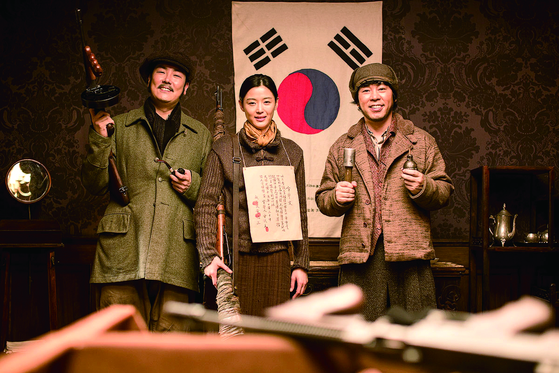
radicalthought.org – Choi Dong-hoon’s 2015 South Korean historical action film, Assassination (Amsal), is a sprawling epic set during the Japanese colonial period in the 1930s. The film weaves a complex tale of resistance, patriotism, and betrayal as a group of Korean independence fighters are tasked with assassinating a high-ranking Japanese general and a pro-Japanese Korean collaborator. With its grand scale, intricate plot, and compelling characters, Assassination became a critical and commercial success, resonating deeply with Korean audiences. This article delves into the film’s narrative, characters, themes, and its impact on Korean historical cinema.

A Nation Divided: Plot Summary

The film begins in 1911 during the Japanese occupation of Korea, showing the seeds of resistance being sown. It then jumps to the 1930s, where Korea is under firm Japanese rule. A Korean independence fighter named Yeom Sek-jin, working within the Korean Provisional Government in Shanghai, is tasked with recruiting a team of assassins for a crucial mission in Japanese-occupied Gyeongseong (present-day Seoul).

Yeom selects three individuals: Ahn Ok-yun, a skilled sniper; Choo Sang-ok, a weapons expert; and Hwang Deok-sam, an explosives specialist. Unbeknownst to them, Yeom is a double agent working for the Japanese. The assassins arrive in Gyeongseong, unaware of the betrayal, and begin preparing for their mission. However, a professional hitman known as “Hawaii Pistol” is also hired by the Japanese to eliminate the assassins. The film unfolds as a complex game of cat and mouse, with the assassins facing danger from both the Japanese authorities and the treacherous double agent within their ranks.

Heroes and Traitors: Character Analysis

Assassination features a rich ensemble cast, each portraying characters with complex motivations:

  • Ahn Ok-yun: Played with quiet strength by Jun Ji-hyun (Gianna Jun), Ahn Ok-yun is a skilled sniper with a tragic past. She becomes the de facto leader of the assassination team, driven by a strong sense of duty and patriotism.
  • Hawaii Pistol: Portrayed with charismatic coolness by Lee Jung-jae, Hawaii Pistol is a Korean-born hitman working for the Japanese. His character adds a layer of moral ambiguity to the narrative.
  • Yeom Sek-jin: Played with subtle menace by Lee Beom-soo, Yeom Sek-jin is the double agent whose betrayal sets the stage for much of the film’s conflict.
  • Choo Sang-ok: Played with comedic timing and underlying seriousness by Cho Jin-woong, Choo Sang-ok is the team’s weapons expert.
  • Hwang Deok-sam: Played with quiet determination by Choi Deok-moon, Hwang Deok-sam is the explosives specialist.

Themes of Patriotism, Betrayal, and Sacrifice

Assassination explores several powerful themes relevant to Korean history and identity:

  • Patriotism and Resistance: The film celebrates the courage and sacrifice of the Korean independence fighters who resisted Japanese colonial rule. The characters’ unwavering commitment to their nation’s freedom is a central theme.
  • Betrayal and Double Agents: The presence of a double agent within the independence movement highlights the complexities and dangers of espionage. The theme of betrayal adds a layer of suspense and moral ambiguity to the narrative.
  • Sacrifice and Redemption: The characters in the film are willing to make significant sacrifices for their cause, some finding redemption along the way.

A Historical Epic with Action and Emotion: Impact and Legacy

Assassination became a massive box office hit in South Korea, resonating with audiences due to its patriotic themes, its thrilling action sequences, and its compelling characters. The film was also praised for its historical accuracy and its depiction of a crucial period in Korean history.

The film’s success further solidified Choi Dong-hoon’s reputation as a master storyteller and demonstrated the appeal of well-crafted historical epics. Its influence can be seen in subsequent Korean historical films that explore similar themes of resistance and national identity.

Conclusion

Assassination is a grand and compelling historical epic that successfully blends action, suspense, and emotional depth. The film’s exploration of patriotism, betrayal, and sacrifice within the context of the Korean independence movement makes it a powerful and unforgettable cinematic experience. Its success has cemented its place as a modern classic of Korean historical cinema.

The Royal Tailor (2014): Ambition & Rivalry in the Royal Court

radicalthought.org – “The Royal Tailor” (Korean: 상의원; Sanguiwon), released in 2014, is a South Korean historical drama film directed by Lee Won-suk. Set during the Joseon Dynasty, the film explores the world of royal attire and the rivalry between two talented tailors working at the Sanguiwon, the royal atelier responsible for creating the king’s garments. “The Royal Tailor” weaves a tale of ambition, jealousy, love, and the power of fashion within the strict confines of the royal court.   

The Sanguiwon: The Heart of Royal Fashion

The Sanguiwon, the royal atelier, serves as the central setting of the film. This real historical institution was responsible for crafting the elaborate garments worn by the king and the royal family. The film offers a glimpse into the intricate processes involved in creating these garments, from selecting the finest fabrics to intricate embroidery and design. The meticulous attention to detail in recreating the historical costumes and the atmosphere of the Sanguiwon adds to the film’s visual appeal and historical authenticity.   

Dol-seok: The Master Craftsman Bound by Tradition

Jo Dol-seok (Han Suk-kyu) is the master craftsman at the Sanguiwon, a man deeply rooted in tradition and dedicated to upholding the established styles and techniques of royal tailoring. He is a highly skilled and respected artisan, but his adherence to tradition makes him resistant to change and innovation.  

Gong-jin: The Genius Designer Embracing Innovation

Lee Gong-jin (Go Soo) is a young and exceptionally talented designer who brings a fresh and innovative approach to royal attire. His bold designs and unconventional techniques challenge the established norms of the Sanguiwon and create a rivalry between him and Dol-seok. Gong-jin’s artistic vision and desire to push boundaries become a catalyst for change within the royal court. 

A Clash of Styles and Personalities

The central conflict of the film revolves around the clash between Dol-seok’s traditional approach and Gong-jin’s innovative designs. This rivalry extends beyond their professional lives and becomes intertwined with personal jealousy and ambition. The film explores the tension between tradition and innovation, highlighting the importance of both in the evolution of art and culture.   

Queen Jungjeon: A Catalyst for Change and a Symbol of Fashion

Queen Jungjeon (Park Shin-hye) plays a crucial role in the narrative. Her dissatisfaction with the traditional royal garments and her appreciation for Gong-jin’s innovative designs contribute to the growing tension within the Sanguiwon. The Queen’s role also highlights the power of fashion to influence public perception and even political events.

Themes of Ambition, Jealousy, and the Power of Fashion

“The Royal Tailor” explores several compelling themes:

  • Ambition and Rivalry: The film portrays the destructive nature of unchecked ambition and the intense rivalries that can develop within competitive environments. The conflict between Dol-seok and Gong-jin serves as a cautionary tale about the dangers of prioritizing personal gain over collaboration and respect.
  • Tradition vs. Innovation: The film explores the tension between tradition and innovation, highlighting the importance of finding a balance between respecting established practices and embracing new ideas.
  • The Power of Fashion: “The Royal Tailor” emphasizes the power of fashion as a form of self-expression, social status, and even political influence. The garments created by the tailors become symbols of power, ambition, and personal identity.

Visual Spectacle and Historical Detail

The film is visually stunning, with elaborate costumes, detailed sets, and beautiful cinematography. The meticulous attention to historical detail in the depiction of the Sanguiwon and the royal court adds to the film’s authenticity and visual appeal.

A Blend of Historical Drama and Fashion Design

“The Royal Tailor” offers a unique blend of historical drama and fashion design, providing a fascinating glimpse into the world of royal attire during the Joseon Dynasty. The film’s focus on the creative process and the rivalry between two talented individuals makes it an engaging and visually appealing cinematic experience. While some critics found the plot somewhat predictable, the film’s strengths lie in its visual beauty, strong performances, and exploration of the fascinating world of royal fashion. It’s a visually rich and entertaining exploration of ambition, creativity, and the subtle power of clothing within a rigid historical context.

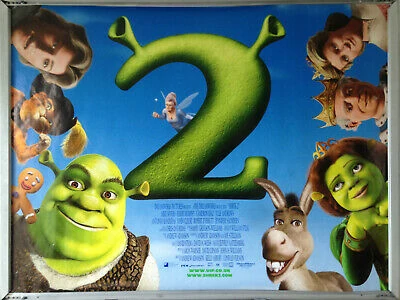
Shrek 2: A Royal Fairy Tale – A Royal Welcome

radicalthought.org – Shrek 2, the highly anticipated sequel to the beloved 2001 film, continues the hilarious adventures of the ogre Shrek and his princess Fiona. After their fairytale wedding, the newlywed couple embarks on a journey to the Kingdom of Far Far Away to introduce Fiona’s parents to their ogre son-in-law.

However, their royal visit takes an unexpected turn when they encounter Fiona’s vain and shallow parents, King Harold and Queen Lillian. The royal couple is shocked and dismayed to learn that their daughter has married an ogre, and they are determined to break them up.

A Royal Mix-Up

To complicate matters further, a mischievous fairy godmother, played by the iconic Julie Andrews, is hired to sabotage Shrek and Fiona’s relationship. She uses a love potion to transform Shrek into a handsome prince, hoping to win Fiona’s heart back for her own son, Prince Charming.

As Shrek navigates his new human form and deals with the challenges of fitting in with the royal family, he must also contend with the villainous Fairy Godmother and her evil plans.

A Happy Ever After

Despite the obstacles, Shrek and Fiona’s love remains strong. They learn to embrace their true selves and overcome the prejudices of others. With the help of their loyal friends, Donkey and Puss in Boots, they expose the Fairy Godmother’s evil scheme and restore harmony to the kingdom.

Shrek 2 is a hilarious and heartwarming film that celebrates the power of love, friendship, and individuality. The film’s witty humor, memorable characters, and catchy songs have made it a beloved classic.

Second Chance: A Tale of Redemption and Rebirth

radicalthought.org – Claude Lelouch’s 1976 film, Second Chance (also known as Si c’était à refaire), is a poignant exploration of redemption, second chances, and the enduring power of hope. The film, starring Catherine Deneuve, is a moving portrayal of a woman who, after serving time in prison, emerges determined to rebuild her life and reconnect with her estranged son.

A Woman’s Journey of Redemption

The film follows the story of a woman who, after being unjustly imprisoned, is released and seeks to reconnect with her teenage son, whom she has not seen in years. The film delves into the complexities of her emotional journey as she grapples with guilt, regret, and the challenges of reintegrating into society.   

A Thought-Provoking Exploration of Second Chances

Second Chance is a thought-provoking exploration of the concept of second chances. The film raises questions about the nature of justice, the power of forgiveness, and the importance of human connection. It also highlights the challenges faced by ex-convicts as they attempt to rebuild their lives.

A Powerful Performance by Catherine Deneuve

Catherine Deneuve delivers a powerful and nuanced performance as the film’s protagonist. Her portrayal of a woman who is both vulnerable and resilient is both heartbreaking and inspiring. Her chemistry with the young actor who plays her son is palpable, adding depth and emotion to the film.

A Timeless Tale of Hope

Second Chance is a timeless tale of hope and redemption that continues to resonate with audiences. The film’s message of forgiveness and second chances is particularly relevant in today’s world, where many people struggle with the consequences of past mistakes.

Hope Floats: A Heartwarming Tale of Resilience & Redemption

radicalthought.org – Hope Floats (1998) is a heartwarming romantic comedy-drama that tells the story of Birdee Calvert (Sandra Bullock), a woman whose life is turned upside down when her husband publicly humiliates her by admitting to an affair on national television. Devastated and heartbroken, Birdee returns to her small hometown with her daughter, Bernice (Mae Whitman), seeking solace and a fresh start.   

A Small-Town Homecoming

Upon her return, Birdee must confront the judgmental eyes of her former classmates and the lingering pain of her past. However, she also reconnects with an old flame, Justin (Harry Connick Jr.), a charming and supportive man who helps her rebuild her life. As Birdee navigates the challenges of single motherhood, heartbreak, and small-town gossip, she discovers the strength and resilience within herself.   

A Mother-Daughter Bond

One of the most heartwarming aspects of the film is the bond between Birdee and her daughter, Bernice. Their relationship is complex, filled with love, frustration, and misunderstanding. Through shared experiences and open communication, they learn to understand and appreciate each other.

A Touching Exploration of Love and Loss

Hope Floats is not just a romantic comedy; it is also a poignant exploration of love, loss, and the healing power of human connection. The film delves into themes of forgiveness, self-acceptance, and the importance of family. The characters are relatable and endearing, making it easy for audiences to connect with their struggles and triumphs.   

A Nostalgic and Uplifting Film

Hope Floats is a nostalgic and uplifting film that evokes feelings of warmth and comfort. Its beautiful small-town setting, charming soundtrack, and heartfelt performances create a truly memorable cinematic experience. The film’s message of hope and resilience continues to resonate with audiences, making it a timeless classic.   

Conclusion

Hope Floats is a heartwarming and inspiring film that celebrates the power of human connection and the enduring nature of love. Its relatable characters, beautiful setting, and uplifting message make it a timeless classic. Whether you’re looking for a good cry or a feel-good movie, Hope Floats is sure to leave you feeling hopeful and inspired.

The Miracle Worker: A Tale of Triumph Over Adversity

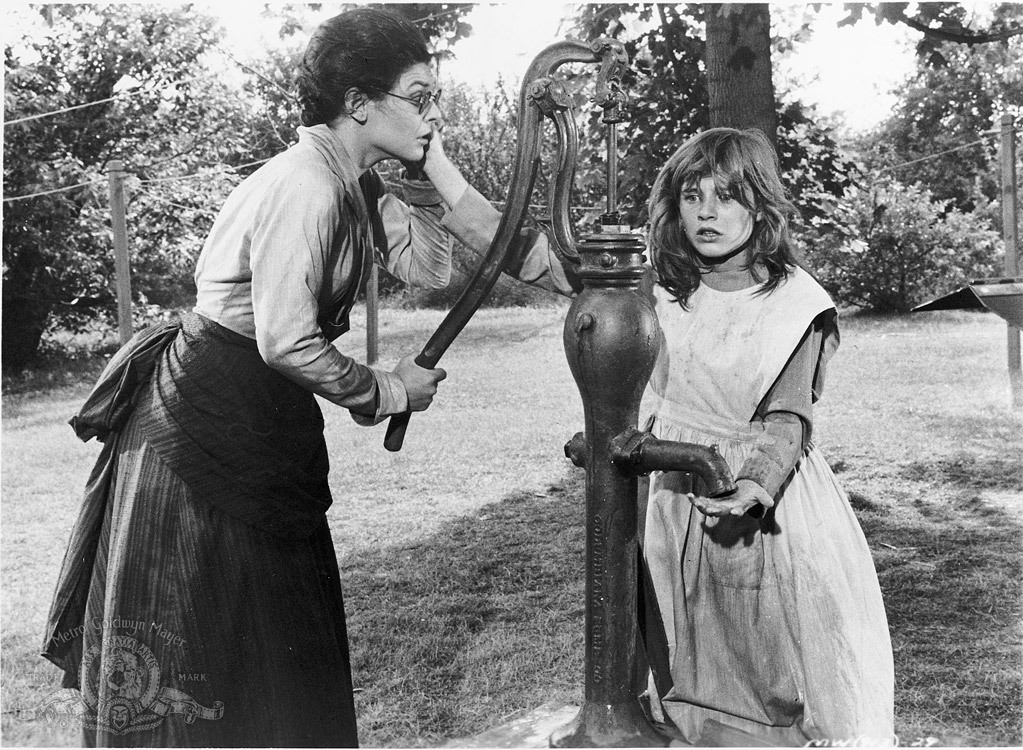
radicalthought.org – Released in 1962, The Miracle Worker is a powerful biographical drama that tells the inspiring true story of Helen Keller and her extraordinary teacher, Anne Sullivan. Directed by Arthur Penn and starring Anne Bancroft and Patty Duke, the film is a moving portrayal of the human spirit and the transformative power of education.

A Silent World, A Brighter Future

The film follows young Helen Keller, a deaf and blind girl trapped in a silent world. Her parents, desperate for help, hire Anne Sullivan, a determined and passionate teacher who is determined to unlock Helen’s potential. Through patience, persistence, and unwavering belief, Sullivan breaks through Helen’s isolation, teaching her to communicate and connect with the world around her.

A Masterful Performance

Anne Bancroft’s portrayal of Anne Sullivan is nothing short of iconic. Her powerful performance captures the intensity, frustration, and unwavering dedication of a teacher who refuses to give up on her student. Patty Duke, in her breakthrough role, delivers a stunning performance as Helen Keller, conveying the character’s frustration, joy, and intellectual awakening.

A Timeless Tale of Human Connection

The Miracle Worker is a timeless tale of human connection and the power of the human spirit. The film’s exploration of themes such as hope, perseverance, and the importance of education continues to resonate with audiences today. The film’s emotional impact is undeniable, and it has inspired countless viewers to appreciate the value of education and the power of human potential.

A Legacy of Inspiration

The Miracle Worker is a powerful and inspiring film that has left an enduring legacy. Its exploration of the human condition and the transformative power of education continues to resonate with audiences of all ages. The film’s message of hope and perseverance has inspired countless individuals to overcome adversity and achieve their dreams.

Hi, Mom!: A Disjointed Masterpiece – A Chaotic Journey

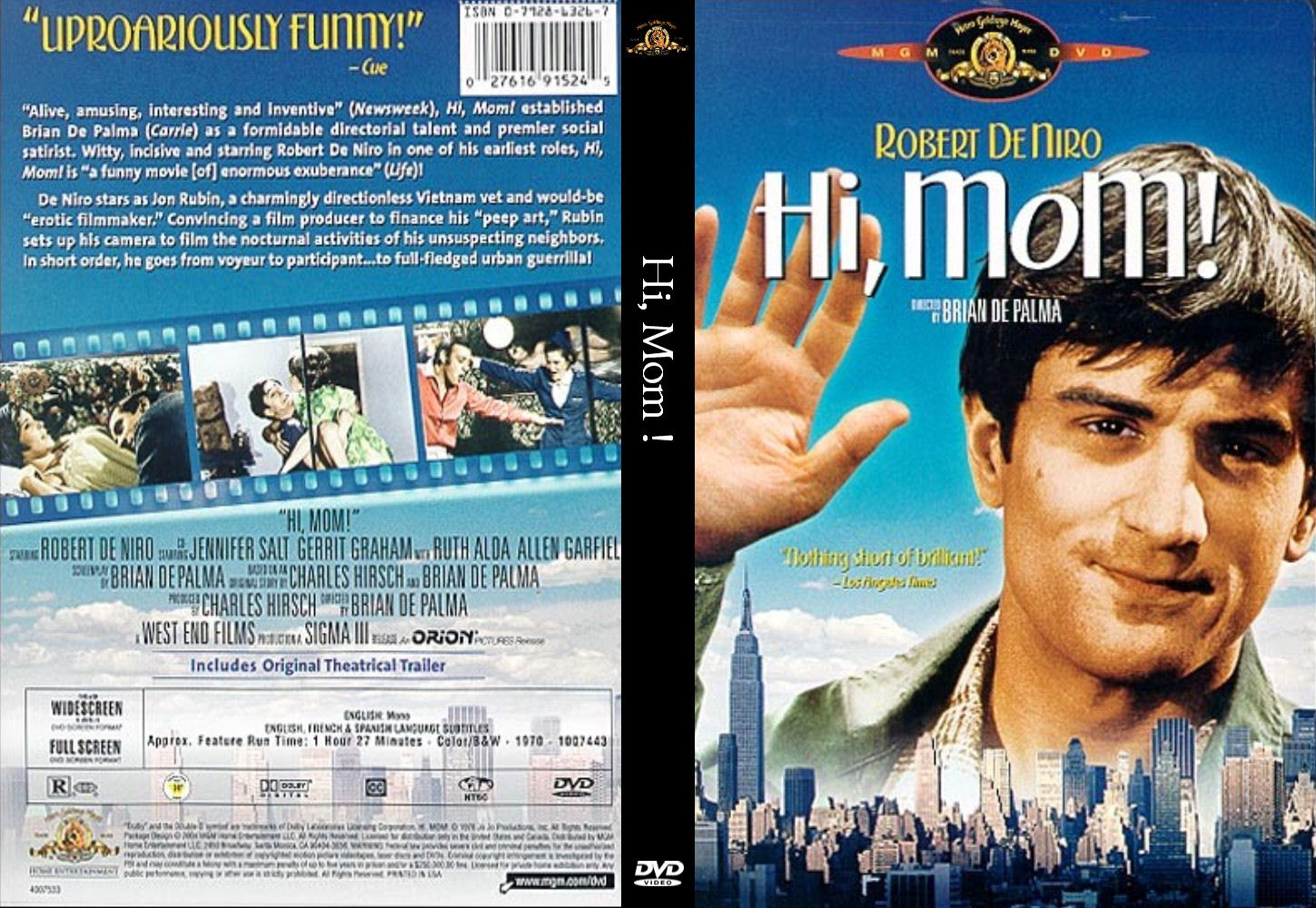
radicalthought.org Brian De Palma’s 1970 film, Hi, Mom!, is a chaotic, darkly comedic, and often surreal exploration of a young filmmaker’s descent into madness. Starring a young Robert De Niro in one of his earliest roles, the film is a fascinating blend of experimental filmmaking, social commentary, and pure absurdity.   

A Chaotic Journey

The film follows Jon Rubin, a disillusioned filmmaker who, after returning from Vietnam, becomes increasingly obsessed with documenting the lives of those around him. His voyeuristic tendencies lead him to spy on his neighbors, experiment with pornographic filmmaking, and even join a radical black activist group. As the narrative unfolds, the film becomes increasingly fragmented and nonlinear, blurring the lines between reality and fantasy.   

De Palma’s Signature Style

Hi, Mom! showcases De Palma’s signature style, characterized by its bold use of color, unconventional camera angles, and split-screen techniques. The film’s frenetic pace and rapid editing create a sense of disorientation and unease, reflecting the chaotic state of mind of its protagonist. De Palma’s willingness to experiment with form and style has made him one of the most influential filmmakers of his generation.   

A Satirical Look at American Society

Beneath its chaotic surface, Hi, Mom! offers a satirical commentary on American society in the late 1960s and early 1970s. The film’s portrayal of radical politics, sexual liberation, and the counterculture movement is both humorous and critical. De Palma’s irreverent approach to these topics challenges conventional notions of morality and societal norms.

A Cult Classic

Despite its divisive reception upon its initial release, Hi, Mom! has since gained a cult following. Its unique blend of humor, horror, and social commentary has resonated with audiences who appreciate its experimental nature and its willingness to push boundaries. The film’s influence can be seen in the work of countless filmmakers, from Quentin Tarantino to David Lynch.

Conclusion

Hi, Mom! is a challenging and rewarding film that demands multiple viewings. Its chaotic energy, surreal imagery, and biting satire make it a truly unforgettable cinematic experience. While it may not be for everyone, the film’s impact on the world of cinema is undeniable.

Woman and Temptation: A Primal Exploration of Desire

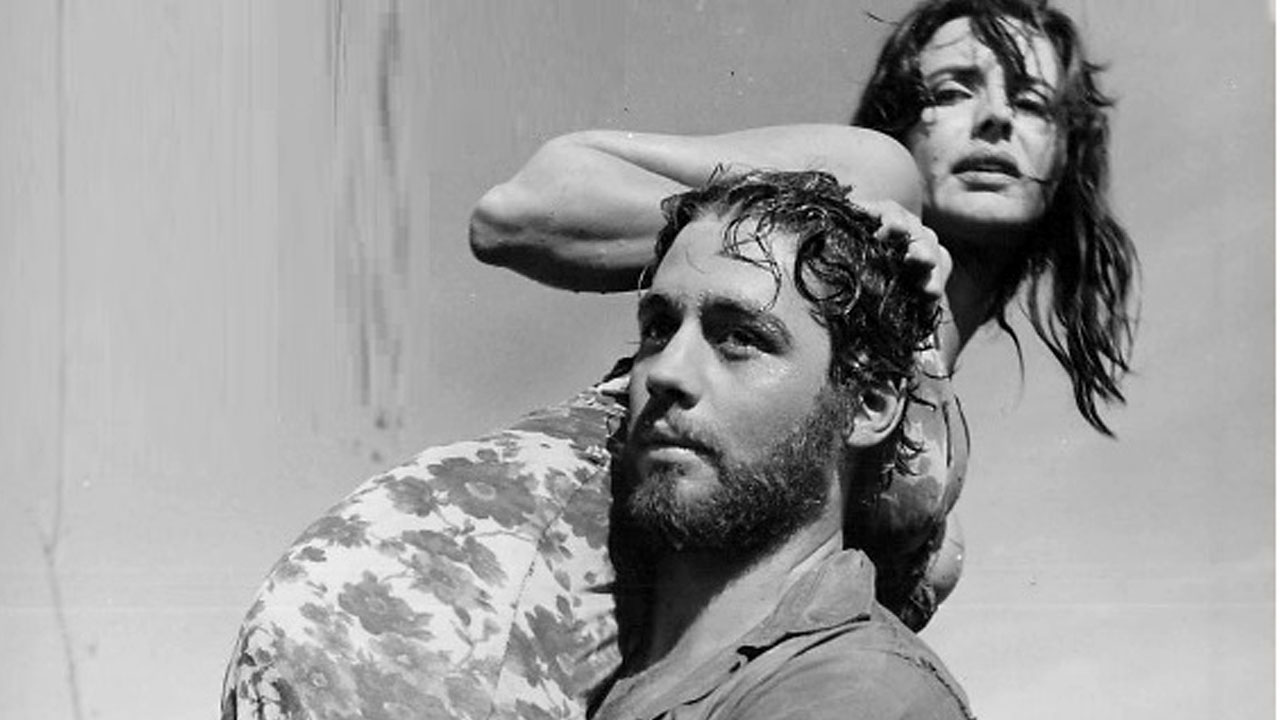
radicalthought.org – Woman and Temptation (La Tentación Desnuda), a 1966 Argentine drama film directed by Armando Bó, is a controversial classic that continues to provoke and intrigue audiences. This film, starring the iconic Isabel Sarli, delves into the raw and primal nature of human desire, exploring themes of lust, survival, and the blurred lines between civilization and savagery.   

A Castaway’s Primal Awakening

The film follows the story of Sandra, a refined and sophisticated woman who finds herself stranded in the heart of the Argentine jungle after a boating accident. Isolated and alone, she becomes the object of desire for a group of rugged and primitive men. As Sandra adapts to her harsh new environment, she begins to shed her inhibitions and embrace her primal instincts.   

A Bold Exploration of Sexuality and Power

Woman and Temptation is a bold and unflinching exploration of sexuality and power dynamics. The film challenges traditional notions of morality and societal norms, as Sandra’s encounter with the men of the jungle pushes her to the limits of her physical and emotional endurance. Sarli’s performance as Sandra is both captivating and disturbing, as she embodies the character’s transformation from a refined woman to a primal force of nature.   

A Controversial Release and Enduring Legacy

Upon its release, Woman and Temptation caused a sensation and sparked controversy due to its explicit sexual content and its unflinching portrayal of human desire. The film’s bold exploration of sexuality and its challenge to traditional morality pushed the boundaries of censorship.

Despite the controversy, the film was a commercial success and solidified Isabel Sarli’s status as one of the most iconic sex symbols of Latin American cinema. Woman and Temptation remains a cult classic, celebrated for its powerful storytelling, stunning cinematography, and its enduring relevance to themes of desire, sexuality, and the human condition.

A Timeless Masterpiece

Woman and Temptation is more than just a historical curiosity; it is a timeless masterpiece that continues to resonate with audiences today. Its exploration of primal desires, the power of nature, and the blurred lines between civilization and savagery remains as relevant as ever, making it a must-watch for anyone interested in the history of cinema or simply a fan of provocative and thought-provoking storytelling.

80 for Brady: A Fun-Filled Adventure – Heartwarming Story

radicalthought.org – 80 for Brady, a 2023 American sports comedy film, is a heartwarming and hilarious story about four best friends who embark on a wild adventure to the Super Bowl. The film stars four legendary actresses: Lily Tomlin, Jane Fonda, Rita Moreno, and Sally Field, who portray a group of enthusiastic New England Patriots fans in their 80s.   

A Friendship for the Ages

The film celebrates the power of friendship and the importance of living life to the fullest. The four friends, Lou, Trish, Maura, and Betty, share a deep bond and a love for football, particularly Tom Brady. When they get the chance to attend Super Bowl LI, they seize the opportunity to embark on an unforgettable journey.   

Jane Fonda’s Dazzling Performance

Jane Fonda, as always, delivers a captivating performance. Her portrayal of Trish, a stylish and spirited woman, is both funny and heartwarming. Fonda’s chemistry with her co-stars is undeniable, and she adds a touch of glamour and excitement to the film.

A Feel-Good Comedy

80 for Brady is a feel-good comedy that is sure to bring a smile to your face. The film is filled with witty dialogue, hilarious situations, and heartwarming moments. The four lead actresses have incredible chemistry, and their performances are both funny and touching.

A Celebration of Friendship and Football

The film is a celebration of friendship, football, and the power of dreams. It reminds us that it’s never too late to pursue our passions and live life to the fullest.

Jane Fonda’s Impact on Film

Jane Fonda has had a significant impact on the film industry, both as an actress and as an activist. Her roles often challenge societal norms and address important social issues. In 80 for Brady, she delivers a delightful and empowering performance that showcases her versatility as an actress.   

Conclusion

80 for Brady is a fun, heartwarming, and inspiring film that is perfect for audiences of all ages. The film’s star-studded cast, witty dialogue, and heartwarming story make it a must-watch. Jane Fonda’s performance is a highlight of the film, and her portrayal of a spirited and adventurous woman is both funny and inspiring.

Safari: A Thrilling Adventure in the African Wilderness

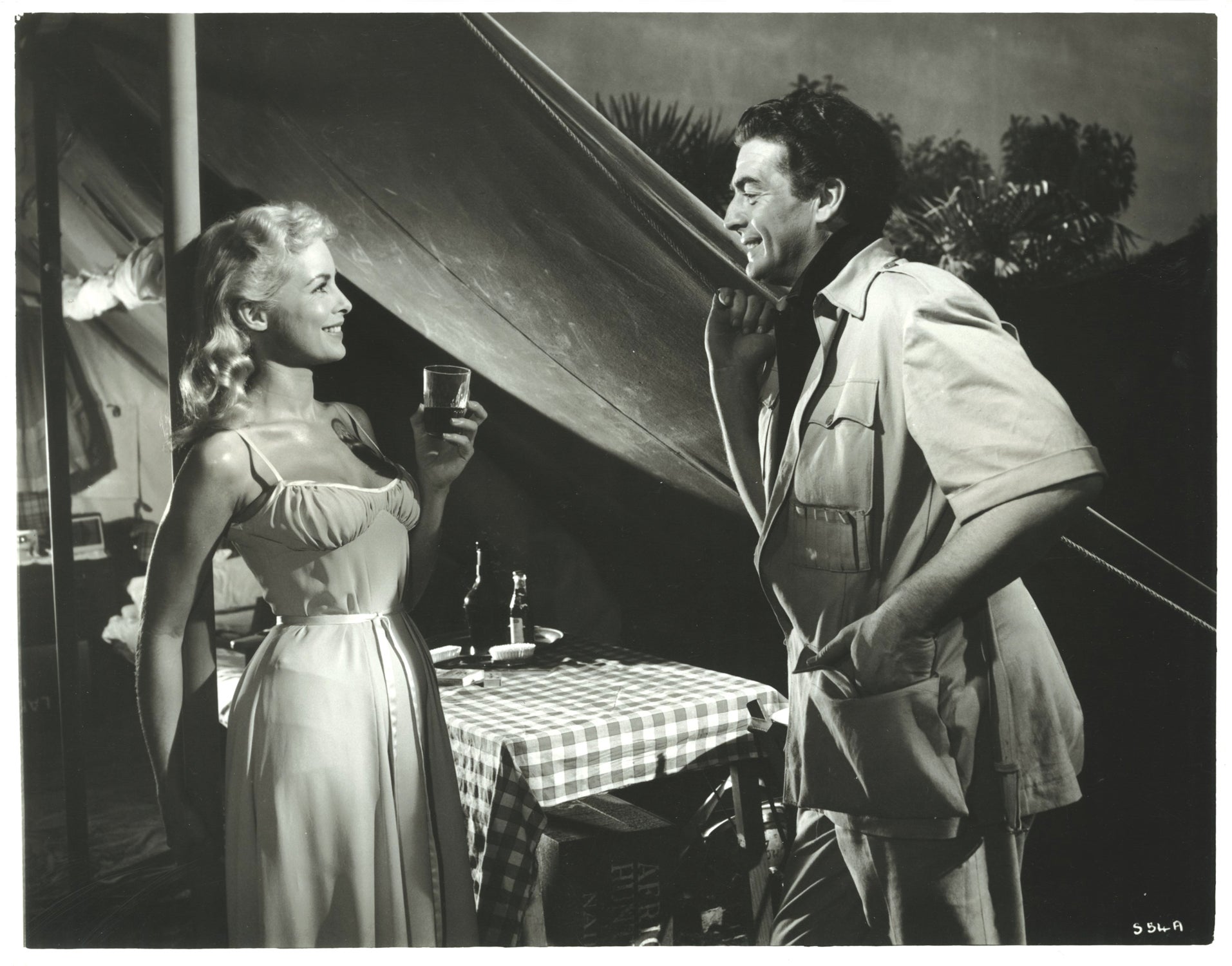
radicalthought.org – Safari (1956) is an action-packed adventure film set against the stunning backdrop of the African wilderness. Directed by Terence Young and starring Victor Mature, Janet Leigh, and Roland Culver, the film offers a thrilling tale of revenge, romance, and survival.  

A Deadly Mission

The film follows the story of a seasoned hunter, played by Victor Mature, who returns to Africa seeking revenge against a ruthless gang of Mau Mau rebels who killed his family. Joined by a glamorous American tourist, Janet Leigh, and a seasoned British safari guide, Roland Culver, he embarks on a dangerous mission to bring the killers to justice.   

The African Wilderness

The film’s breathtaking cinematography captures the beauty and danger of the African landscape. From the vast savannahs to the treacherous river rapids, the film immerses viewers in the heart of the wilderness. The stunning visuals, combined with the thrilling action sequences, create a sense of adventure and excitement.   

A Classic Adventure Film

Safari is a classic adventure film that combines elements of action, romance, and suspense. The film’s strong performances, coupled with its thrilling storyline and stunning visuals, make it a must-watch for fans of the genre.   

A Timeless Tale of Revenge and Redemption

Safari is a timeless tale of revenge and redemption, set against the backdrop of the African wilderness. The film’s exploration of themes of justice, courage, and the enduring power of the human spirit continues to resonate with audiences today.

Belle de Jour: A Surreal Exploration of Desire and Identity

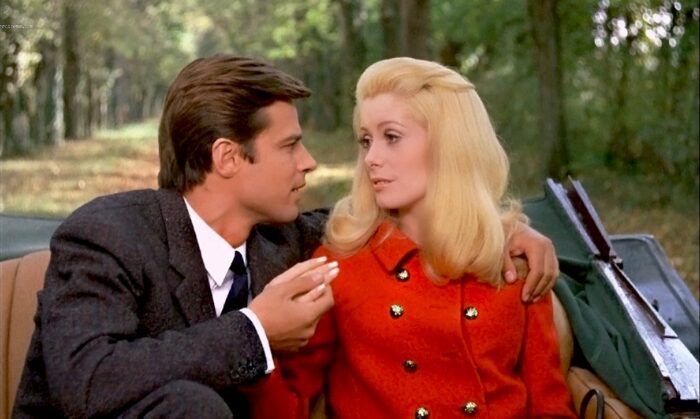
radicalthought.org – Luis Buñuel’s Belle de Jour (1967) is a surreal and provocative exploration of desire, identity, and the dark side of the human psyche. This French-Italian psychological drama, starring Catherine Deneuve in an iconic role, has captivated audiences and critics alike with its bold and unconventional approach to storytelling.

A Woman of Two Worlds

The film centers around Séverine Serizy, a beautiful and seemingly conventional woman who leads a double life. By day, she is a devoted wife and dutiful doctor. By night, she transforms into Belle de Jour, a high-class prostitute who indulges in her secret fantasies.

A Surreal and Dreamlike Atmosphere

Buñuel’s signature style is evident throughout the film, as he blends elements of surrealism and dream logic to create a haunting and atmospheric world. The film’s dreamlike sequences, often blurring the lines between reality and fantasy, contribute to its enigmatic and unsettling nature.

A Bold Exploration of Female Sexuality

Belle de Jour is a groundbreaking film that challenges traditional notions of female sexuality. It delves into the complexities of desire, exploring the dark side of the human psyche and the ways in which societal expectations can stifle individual expression.

A Timeless Exploration of Identity

Beyond its exploration of sexuality, the film also delves into the theme of identity. Séverine’s dual identity as a respectable wife and a provocative prostitute raises questions about the nature of the self and the masks we wear to conform to societal expectations.

A Cinematic Masterpiece

Belle de Jour is a cinematic masterpiece that continues to fascinate and provoke. Its bold and unconventional approach to storytelling, combined with its stunning visuals and unforgettable performances, has solidified its place in the pantheon of great films.

Angie Dickinson in “The Poppy Is Also a Flower”

radicalthought.org – “The Poppy Is Also a Flower” is a unique 1966 international production, commissioned by the United Nations to raise awareness about the global drug trade. This star-studded film, directed by Terence Young, features a diverse cast of Hollywood legends, including Angie Dickinson.

Dickinson’s Role as an International Spy

Dickinson portrays a sophisticated and skilled international spy who is part of a UN task force dedicated to dismantling a major drug smuggling operation. Her character, while not a central figure, adds a layer of intrigue and glamour to the film.

A Stellar Ensemble

The film boasts an impressive cast, including Yul Brynner, Omar Sharif, Eli Wallach, Senta Berger, Stephen Boyd, Trevor Howard, Rita Hayworth, and Marcello Mastroianni. This ensemble of talented actors brings a level of star power and prestige to the film, elevating it beyond a mere public service announcement.

A Timely and Relevant Theme

Despite being produced over half a century ago, “The Poppy Is Also a Flower” remains relevant today. The film’s exploration of the global drug trade and its devastating consequences is as timely as ever. By addressing this issue through a thrilling and suspenseful narrative, the film effectively engages its audience while delivering a powerful message.

Dickinson’s Contribution to a Worthy Cause

Angie Dickinson’s participation in this film highlights her commitment to social causes. By lending her star power to a project that aimed to raise awareness about a serious global issue, she demonstrated her dedication to using her platform for good.

A Unique Piece of Cinematic History

“The Poppy Is Also a Flower” is a unique and fascinating film that blends international intrigue, star power, and a serious social message. Angie Dickinson’s contribution to this ambitious project adds to its enduring legacy.

Artists and Models: A Romantic Comedy Classic

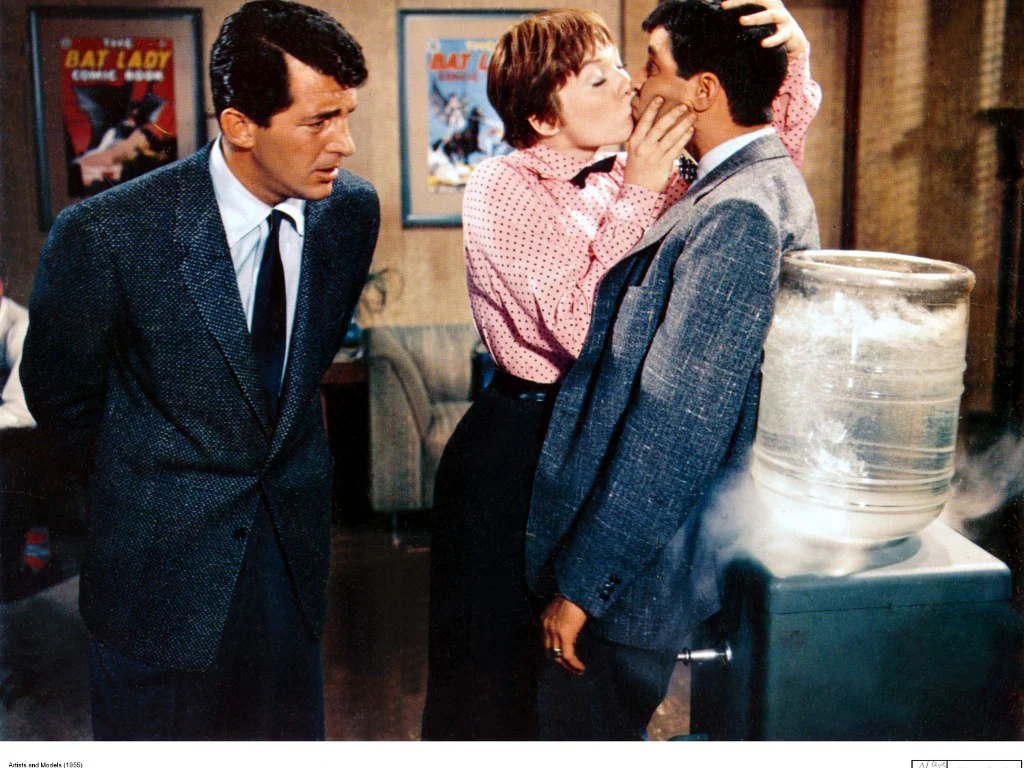
radicalthought.org – Artists and Models is a 1955 romantic comedy film directed by Frank Tashlin and starring Dean Martin and Jerry Lewis. This classic comedy duo, known for their slapstick humor and witty banter, delivers another hilarious and heartwarming performance in this film.

A Mismatched Pair

The film follows the story of two struggling artists, Eugene (Dean Martin) and Mitch (Jerry Lewis). Eugene is a suave and sophisticated painter, while Mitch is a clumsy and bumbling sculptor. Despite their differences, the two form an unlikely friendship and embark on a series of comedic misadventures.

Love and Laughter in Paris

The story takes place in Paris, a city known for its romance and artistic culture. The film captures the city’s charm and beauty, with stunning visuals of the iconic landmarks and picturesque streets.

As Eugene and Mitch navigate the bohemian world of Paris, they encounter a group of beautiful models who become entangled in their lives. Love, laughter, and plenty of misunderstandings ensue, leading to a series of hilarious situations.

A Timeless Comedy

Artists and Models is a timeless comedy that continues to entertain audiences with its witty dialogue, slapstick humor, and charming characters. The film’s blend of romance, comedy, and music makes it a delightful watch for all ages.

Dean Martin and Jerry Lewis’s chemistry is undeniable, and their comedic timing is impeccable. The film’s supporting cast, including Anita Ekberg, Shirley MacLaine, and Zsa Zsa Gabor, adds to the film’s glamorous and entertaining atmosphere.

A Nostalgic Trip Down Memory Lane

Artists and Models is a nostalgic trip down memory lane, transporting viewers back to the golden age of Hollywood. The film’s upbeat and optimistic tone reflects the spirit of the 1950s, a time of hope and prosperity.

Deadlier Than the Male (1967): A Classic Espionage Thriller

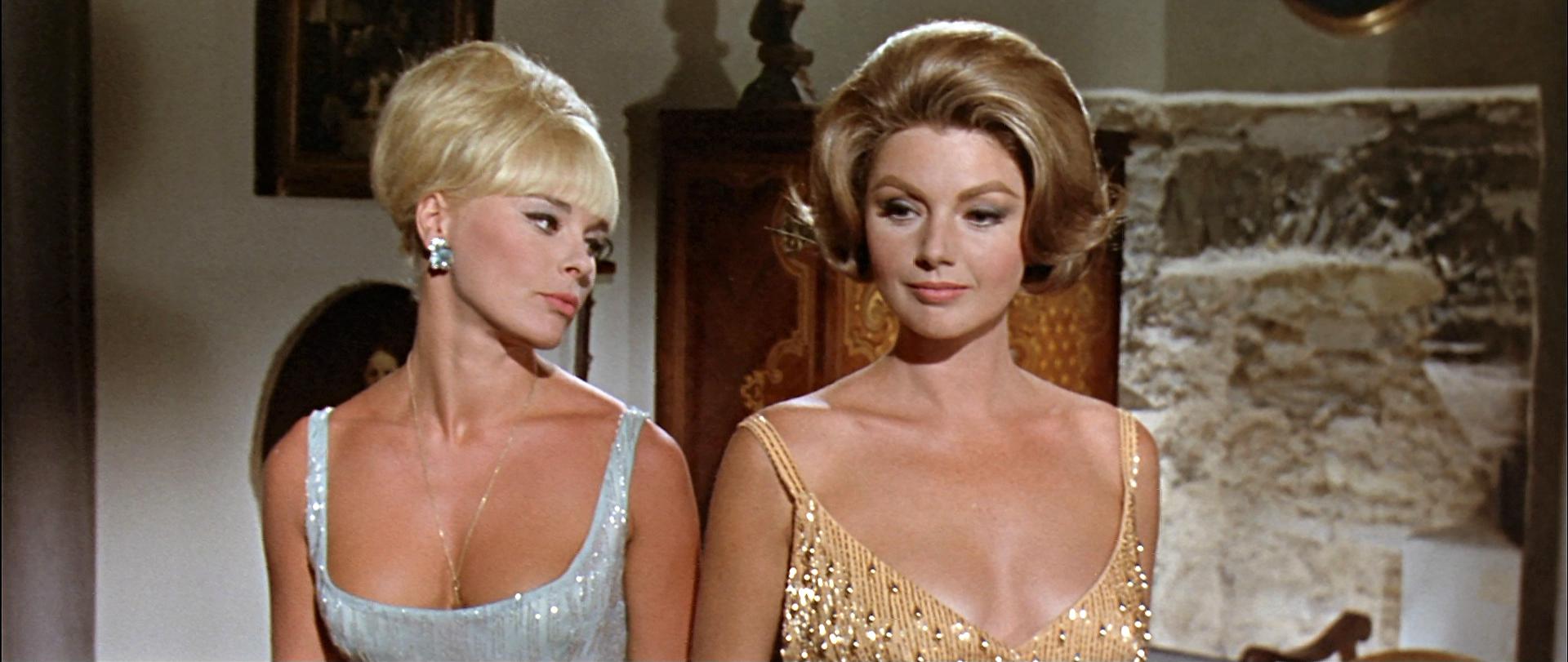
radicalthought.org – “Deadlier Than the Male,” released in 1967, is a British espionage thriller directed by Ralph Thomas. The film stars Richard Johnson, Elke Sommer, and Sylva Koscina, and is inspired by the popular Bulldog Drummond novels by Sapper. Known for its blend of action, intrigue, and charm, “Deadlier Than the Male” is a quintessential example of 1960s spy cinema. This article explores the film’s plot, characters, and its place within the spy genre.

Plot Overview

The film follows insurance investigator Hugh “Bulldog” Drummond, played by Richard Johnson, as he is drawn into a world of corporate espionage and assassination. Drummond is tasked with uncovering the truth behind a series of mysterious deaths of oil executives. His investigation leads him to a pair of deadly female assassins, Irma Eckman and Penelope, portrayed by Elke Sommer and Sylva Koscina, respectively. As Drummond delves deeper, he must navigate a web of deceit and danger to solve the case.

Characters and Performances

Richard Johnson brings a suave and confident presence to the role of Hugh Drummond, embodying the classic British spy with a mix of intelligence and charisma. Elke Sommer and Sylva Koscina deliver captivating performances as the lethal and seductive assassins, adding a layer of complexity and allure to the film. Their characters challenge traditional gender roles in spy films, making them memorable and intriguing adversaries.

Cinematic Elements

The direction by Ralph Thomas captures the essence of the 1960s spy thriller, with a focus on stylish visuals and fast-paced action sequences. The film’s exotic locations and glamorous settings enhance the narrative, offering viewers a glimpse into the high-stakes world of espionage. The score by Malcolm Lockyer complements the film’s tone, adding to the suspense and excitement.

Impact and Legacy

“Deadlier Than the Male” holds a special place in the spy genre, particularly for its portrayal of strong, independent female antagonists. The film’s mix of wit, action, and intrigue has influenced subsequent spy movies and remains an entertaining watch for fans of classic cinema. Its success led to a sequel, “Some Girls Do,” further cementing its legacy.

Conclusion

In conclusion, “Deadlier Than the Male” is a captivating espionage thriller that showcases the allure and danger of the spy world. With its engaging plot, dynamic characters, and stylish execution, the film continues to be a favorite among fans of the genre. Whether you’re a long-time admirer of spy films or new to the genre, “Deadlier Than the Male” offers a thrilling and memorable cinematic experience.

“Casino Royale” (1967): A Comic Twist on Espionage

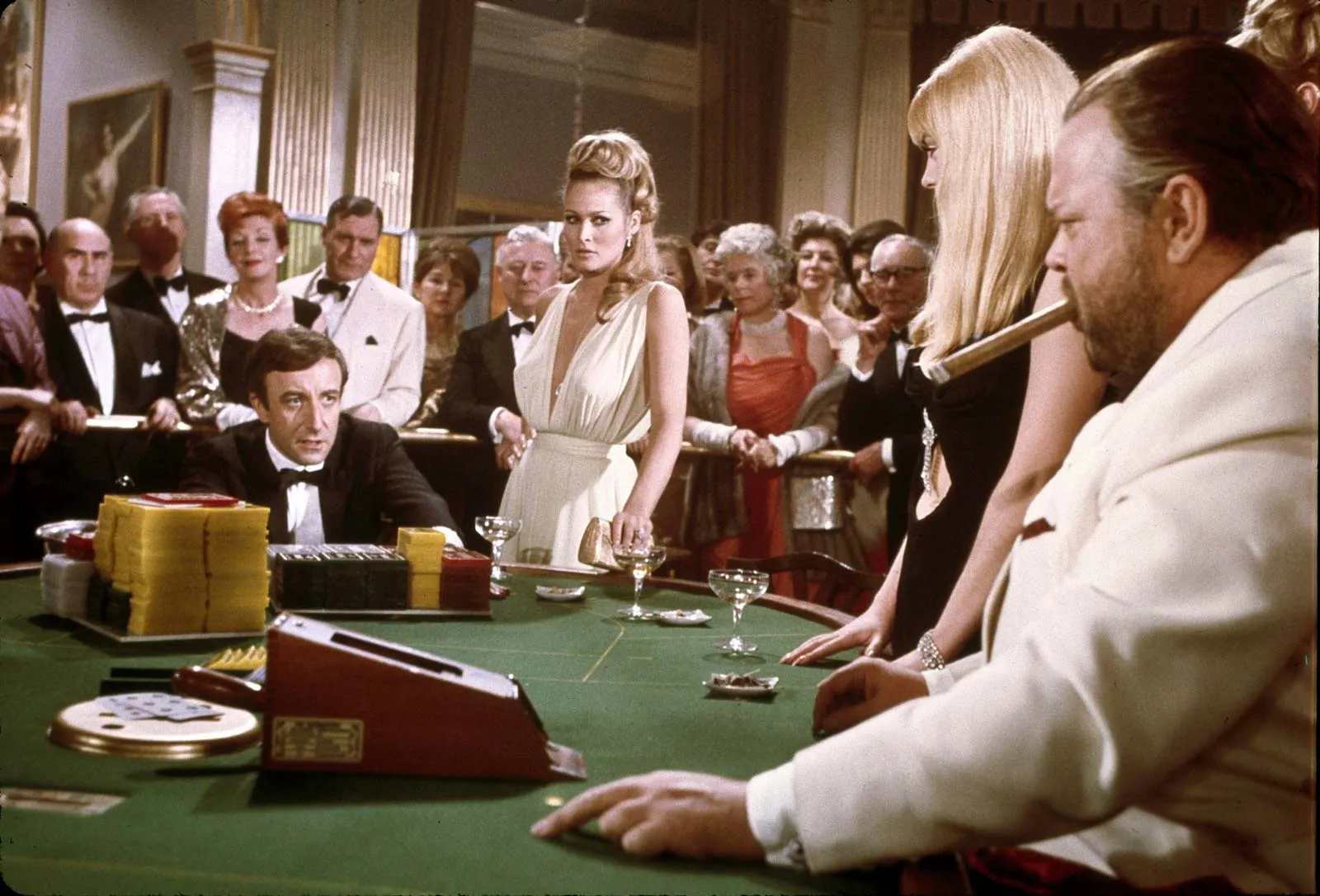
radicalthought.org – “Casino Royale,” released in 1967, is a unique entry in the James Bond filmography. Unlike the traditional Bond thrillers, this film is a comedic parody that takes a playful and irreverent approach to the spy genre. With a star-studded cast and a chaotic storyline, “Casino Royale” offers a distinctly different take on the suave secret agent.

A Parodic Spin on Bond

“Casino Royale” diverges from the standard James Bond formula by presenting a satirical and farcical interpretation of the iconic character. The film follows the original Bond, Sir James Bond (played by David Niven), who is coaxed out of retirement to confront a mysterious organization, SMERSH, intent on global domination. In a bizarre twist, multiple characters assume the name “James Bond” as a ploy to confuse their enemies, adding to the film’s comedic chaos.

Star-Studded Cast and Direction

The film boasts an impressive ensemble cast, including Peter Sellers, Ursula Andress, Orson Welles, and Woody Allen, each contributing to the comedic flair of the narrative. David Niven’s portrayal of the distinguished Sir James Bond offers a stark contrast to the more traditional depictions of the character, infusing the role with wit and humor.

“Casino Royale” is notable for its unconventional production, involving multiple directors, including John Huston, Ken Hughes, and Robert Parrish. The result is a film with a distinctive, albeit disjointed, style that reflects the varied comedic sensibilities of its contributors.

A Chaotic Plot and Unique Style

The plot of “Casino Royale” is intentionally convoluted, weaving together numerous subplots and comedic set pieces. From a baccarat game with the villainous Le Chiffre (played by Orson Welles) to a climactic battle in a psychedelic casino, the film embraces absurdity at every turn.

The film’s visual style is equally eclectic, incorporating elements of 1960s pop culture and psychedelic aesthetics. The extravagant set designs, colorful costumes, and imaginative sequences contribute to the film’s distinctively surreal atmosphere.

Legacy and Reception

While “Casino Royale” received mixed reviews upon its release, with some critics praising its humor and others lamenting its lack of coherence, it has since gained a cult following for its audacious approach. The film stands as a testament to the enduring appeal of the James Bond character, capable of inspiring both serious and satirical interpretations.

In conclusion, “Casino Royale” (1967) offers a comedic and unconventional take on the James Bond legacy, providing a playful counterpoint to the more traditional films in the series. Its blend of humor, star power, and chaotic storytelling makes it a memorable and entertaining entry in the world of cinematic parodies. For fans of both Bond and comedy, “Casino Royale” is a quirky and enjoyable exploration of the spy genre’s lighter side.

Cartouche (1962): A Classic French Adventure

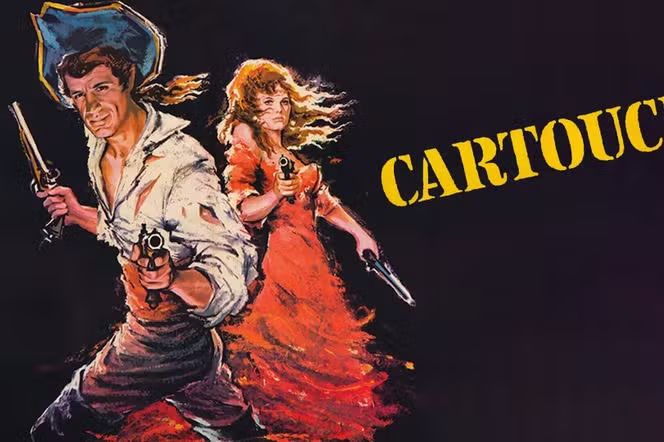
radicalthought.org – “Cartouche” is a 1962 French adventure film directed by Philippe de Broca, starring Jean-Paul Belmondo and Claudia Cardinale. Set in 18th-century France, the film combines swashbuckling action with romance and comedy, making it a memorable entry in the genre.

Plot Overview

The film follows the story of Louis de Bourguignon, known as Cartouche, a charismatic and daring highwayman. Disillusioned with the unethical practices of his gang, Cartouche takes leadership and embarks on a series of bold exploits across Paris. Along the way, he encounters love, betrayal, and adventure, all while challenging the authorities and winning the hearts of the public.

Characters and Performances

  • Jean-Paul Belmondo as Cartouche: Belmondo’s performance is a highlight, bringing charm and charisma to the role of the legendary bandit.
  • Claudia Cardinale as Venus: Cardinale plays Venus, Cartouche’s love interest, who adds depth and emotion to the adventurous narrative.
  • Supporting Cast: The film also features strong performances from a talented ensemble cast, adding richness to the story.

Direction and Cinematography

Philippe de Broca’s direction is masterful, blending action and humor seamlessly. The cinematography captures the vibrant essence of 18th-century Paris, with sweeping shots and dynamic action sequences that enhance the film’s adventurous feel.

Themes and Style

“Cartouche” explores themes of loyalty, justice, and love, wrapped in a light-hearted, swashbuckling style. Its playful yet poignant narrative makes it an enduring favorite among fans of classic adventure films.

Reception and Legacy

Upon release, “Cartouche” received positive reviews for its entertaining storyline and engaging performances. It remains a beloved classic in French cinema, showcasing the talents of its iconic cast and crew.

Conclusion

“Cartouche” is a quintessential example of French cinema’s ability to combine action, romance, and comedy in one captivating package. Its enduring appeal lies in its charismatic characters, lively plot, and the timeless charm of its storytelling.

The Impact of “Two Women” (1960): A Cinematic Masterpiece

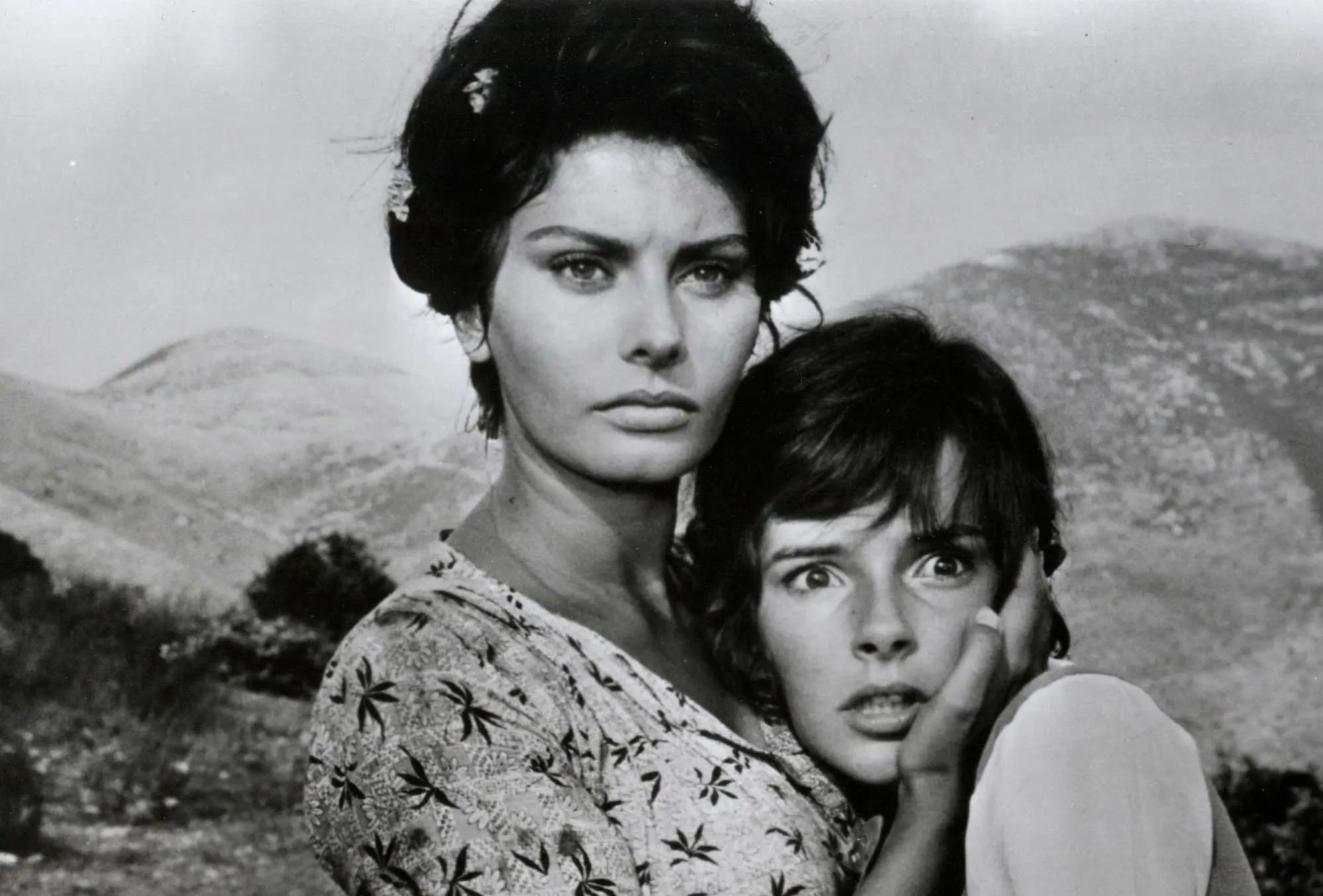
radicalthought.org – “Two Women” (1960), originally titled “La Ciociara,” is a powerful Italian drama directed by Vittorio De Sica. This film is renowned for its poignant storytelling and the remarkable performance by Sophia Loren, which earned her an Academy Award for Best Actress. Set against the backdrop of World War II, “Two Women” delves into themes of survival, resilience, and the enduring bond between a mother and her daughter.

Plot Overview

The narrative unfolds in war-torn Italy, where Cesira, a widowed shopkeeper, and her 13-year-old daughter, Rosetta, flee from Rome to seek refuge in Cesira’s native village in the countryside. The journey is fraught with danger, as they navigate the chaos and devastation brought on by the war. Despite the hardships, Cesira is determined to protect her daughter from the horrors surrounding them.

Themes and Symbolism

“Two Women” explores several profound themes, with the most prominent being the strength of maternal love. Cesira’s unwavering dedication to her daughter’s safety highlights the sacrifices a mother is willing to make. The film also addresses the brutal realities of war, illustrating how it ravages not only landscapes but also human lives and relationships.

The use of the Italian countryside as a setting serves as a symbol of both refuge and peril. While it offers temporary safety away from the bombings in Rome, it is also where the film’s most harrowing event occurs, underscoring the inescapable reach of war.

Sophia Loren’s Acclaimed Performance

Sophia Loren’s portrayal of Cesira is widely celebrated for its depth and authenticity. Her ability to convey a spectrum of emotions—ranging from fierce protectiveness to vulnerable despair—captures the audience’s empathy and admiration. Loren’s performance was groundbreaking, as she became the first actress to win an Oscar for a foreign-language role, a testament to her talent and the film’s universal appeal.

Cinematic Techniques

Vittorio De Sica’s direction is integral to the film’s emotional impact. His use of neorealism—a style characterized by on-location shooting and a focus on everyday life—adds authenticity and rawness to the story. The cinematography effectively captures the stark contrast between the beauty of the Italian landscape and the brutality of war, enhancing the film’s emotional resonance.

Legacy and Influence

“Two Women” remains a significant work in cinema history, both for its artistic achievements and its portrayal of women’s experiences during wartime. The film’s exploration of human resilience and the bond between mother and daughter continues to resonate with audiences today. Its influence is evident in subsequent films that tackle similar themes with sensitivity and depth.

Conclusion

“Two Women” is a timeless classic that offers a compelling narrative enriched by outstanding performances and masterful direction. It stands as a tribute to the enduring spirit of women in the face of adversity and a reminder of the devastating impacts of war on individuals and families. Sophia Loren’s portrayal of Cesira remains a landmark performance that continues to inspire actors and filmmakers worldwide.

Hamburger Hill (1987): A Harrowing Depiction of the Vietnam War

radicalthought.org – Released in 1987, Hamburger Hill is a war film directed by John Irvin that offers a gritty and realistic portrayal of the Vietnam War. The film focuses on the harrowing battle for Hill 937, a strategically significant but heavily fortified position in the A Shau Valley. Known for its intense action sequences and authentic depiction of soldier life, Hamburger Hill stands out as a poignant exploration of the human cost of war.

Plot Overview

Hamburger Hill centers on the 3rd Battalion, 187th Infantry Regiment of the 101st Airborne Division as they engage in the brutal 10-day assault on Hill 937 in May 1969. The film follows a group of young soldiers, highlighting their camaraderie, struggles, and determination amid the relentless combat. As the battle intensifies, the soldiers face not only the enemy but also the harsh realities of war, including the challenges of leadership, the impact of loss, and the moral dilemmas of combat.

Themes and Motifs

The film delves into themes of sacrifice, brotherhood, and the futility of war. It portrays the soldiers’ courage and resilience as they endure grueling conditions and overwhelming odds. Additionally, Hamburger Hill addresses the disconnect between the soldiers on the ground and the political decisions made far from the battlefield, reflecting the broader social and political tensions of the Vietnam era.

Authenticity and Impact

Director John Irvin, known for his focus on realism, worked to ensure the film’s authenticity by consulting with Vietnam veterans and incorporating their experiences into the narrative. The film’s attention to detail in its depiction of military operations and soldier interactions adds to its credibility and emotional impact.

Critical Reception and Legacy

Hamburger Hill received praise for its realistic portrayal of battle and the performances of its ensemble cast, which includes actors such as Dylan McDermott, Steven Weber, and Courtney B. Vance. While it did not achieve the same level of commercial success as some other Vietnam War films of the era, it was lauded for its unflinching depiction of the brutality of war and the emotional depth of its characters.

The film remains a respected entry in the Vietnam War genre, noted for its commitment to authenticity and its exploration of the human experience in combat. Hamburger Hill continues to be appreciated for its powerful storytelling and its contribution to the broader understanding of the Vietnam War’s complexity and impact on those who fought in it.

Exploring “Happy Old Year” (2019) – Synopsis and Themes

radicalthought.org – “Happy Old Year” is a 2019 Thai drama film directed by Nawapol Thamrongrattanarit. Known for his ability to delve into the intricacies of human emotions and relationships, Nawapol crafts a poignant narrative that resonates with audiences through its exploration of memory, nostalgia, and the process of letting go. The film’s minimalist style and deep emotional core have made it a standout piece in modern Thai cinema.

Synopsis and Themes

The film follows Jean, a young woman who returns to Bangkok from studying abroad with a plan to renovate her family home into a minimalist space. This ambitious project involves decluttering and discarding many of the household’s accumulated belongings. However, as Jean sorts through the items, she confronts memories tied to each object, leading to an emotional journey of self-discovery and reconciliation with her past.

“Happy Old Year” delves into themes of minimalism, nostalgia, and the emotional weight of possessions. It challenges viewers to reflect on what material objects mean to them and how they can be both a source of comfort and an emotional burden. The film beautifully captures the struggle between holding onto memories and the necessity of moving forward.

Characters and Performances

Chutimon Chuengcharoensukying, known for her role in “Bad Genius,” delivers a nuanced performance as Jean. Her portrayal captures the character’s internal conflict and emotional evolution with subtlety and depth. Supporting performances, particularly from Sunny Suwanmethanont and Apasiri Nitibhon, add layers to the narrative, enriching the film’s exploration of relationships and personal history.

Cinematic Style and Direction

Nawapol Thamrongrattanarit’s direction is characterized by its minimalist aesthetic, which complements the film’s thematic focus. The use of clean, uncluttered visuals mirrors Jean’s desire for simplicity and order. The film’s pacing allows for introspection, giving audiences time to connect with Jean’s journey and the memories she uncovers.

Reception and Impact

“Happy Old Year” received critical acclaim for its storytelling, direction, and performances. Its universal themes of memory and personal growth resonate with audiences worldwide, transcending cultural barriers. The film invites viewers to consider their own relationships with the past and the objects that populate their lives, making it a thought-provoking cinematic experience.

Conclusion

“Happy Old Year” (2019) is a beautifully crafted film that explores the emotional complexities of letting go. Through its minimalist style and heartfelt narrative, it offers a profound reflection on the interplay between memories and material possessions. Nawapol Thamrongrattanarit’s direction and Chutimon Chuengcharoensukying’s compelling performance make this film a memorable addition to contemporary Thai cinema.

“Petualangan Sherina” (Sherina’s Adventure) (2000)

radicalthought.org – “Petualangan Sherina” (Sherina’s Adventure), released in 2000, is a landmark film in Indonesian cinema that captured the hearts of audiences with its charming story, catchy music, and engaging performances. Directed by Riri Riza and written by Jujur Prananto, this family-friendly musical adventure became a cultural phenomenon in Indonesia and remains a cherished classic.

Plot Overview

The film follows the adventures of Sherina, a spirited young girl who moves from Jakarta to a small village in West Java with her family. Initially reluctant to adapt to her new surroundings, Sherina soon befriends a boy named Sadam. Their friendship is put to the test when they become entangled in a plot involving the kidnapping of Sadam by a group of unscrupulous businessmen who plan to take over his family’s land. Together, Sherina and Sadam embark on a thrilling adventure to outsmart the villains and save the day.

Musical and Cinematic Highlights

Memorable Soundtrack

One of the defining features of “Petualangan Sherina” is its vibrant and memorable soundtrack. The film’s songs, composed by renowned Indonesian musician Elfa Secioria, play a crucial role in narrating the story and expressing the characters’ emotions. Hits like “Jagoan” and “Lihatlah Lebih Dekat” became instant classics, contributing to the film’s enduring popularity.

Direction and Performances

Riri Riza’s direction brings a sense of wonder and excitement to the film, capturing the beauty of the Indonesian countryside and the innocence of childhood adventure. The performances by the young cast, particularly Sherina Munaf in the titular role, are both natural and engaging, bringing the characters to life with charm and authenticity.

Cultural Impact

Revival of Indonesian Cinema

“Petualangan Sherina” is credited with revitalizing the Indonesian film industry at a time when it was struggling to produce hits. Its success demonstrated the potential for locally produced films to achieve commercial success and appeal to a wide audience.

Legacy and Influence

The film’s impact extends beyond its box office success. It inspired a new generation of filmmakers and musicians, highlighting the importance of storytelling and creativity in cinema. The movie also sparked interest in musical films within Indonesia, paving the way for future productions.

Conclusion

“Petualangan Sherina” is more than just a delightful children’s adventure; it is a cultural touchstone that continues to resonate with audiences across Indonesia. Its combination of engaging storytelling, memorable music, and heartfelt performances has ensured its place as a beloved classic in Indonesian cinema. Whether you’re revisiting it for nostalgia or discovering it for the first time, “Sherina’s Adventure” offers a joyful cinematic experience that celebrates the spirit of youth and friendship.

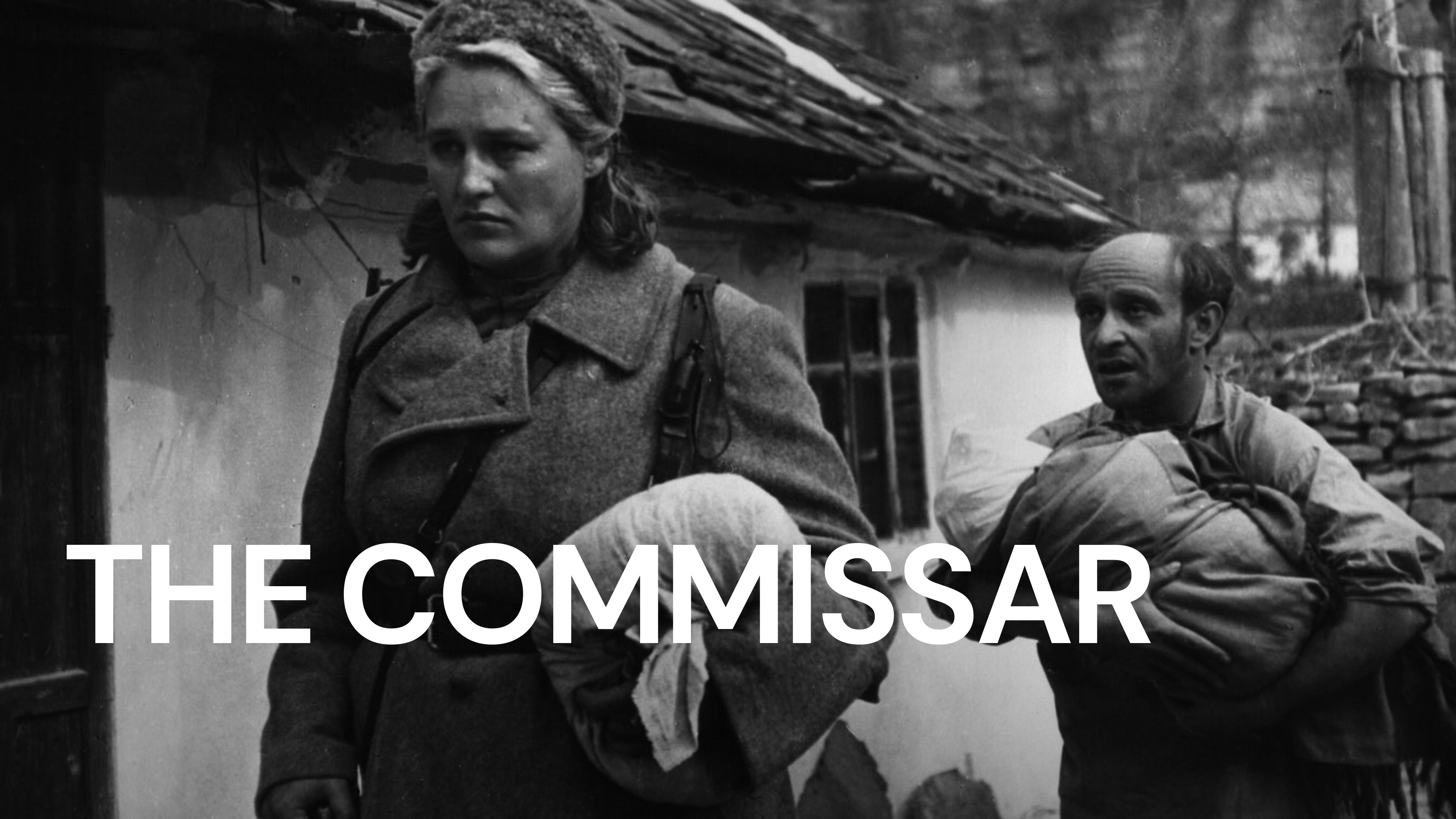
Analyzing “The Commissar” (1967): A Cinematic Masterpiece

radicalthought.org – “The Commissar” is a Soviet film directed by Aleksandr Askoldov, completed in 1967 but not released until 1988 due to political censorship. Based on a short story by Vasily Grossman, the film explores themes of war, motherhood, and human resilience against the backdrop of the Russian Civil War. This article delves into the film’s narrative, its significance in Soviet cinema, and the reasons behind its delayed release.

Plot Overview

Setting and Characters

Set during the tumultuous Russian Civil War, “The Commissar” tells the story of Klavdia Vavilova, a stern and dedicated Red Army commissar. As the war rages on, Vavilova finds herself unexpectedly pregnant and is forced to take refuge with a Jewish family in a small Ukrainian town. This situation leads her to confront her beliefs and identity as she navigates the complexities of motherhood and duty.

Themes and Symbolism

The film is rich in themes, juxtaposing the harsh realities of war with the intimate struggles of personal transformation. Vavilova’s character arc highlights the conflict between duty and personal life, emphasizing the universal experiences of love and sacrifice. The Jewish family’s presence introduces themes of cultural identity and resilience in the face of adversity, serving as a microcosm of the broader historical context.

Production and Censorship

Cinematic Techniques

Askoldov’s direction is notable for its use of stark imagery and poignant symbolism, creating a powerful narrative that transcends its historical setting. The film employs a blend of realism and poetic visuals, capturing the stark contrasts between the brutality of war and the tenderness of human connections.

Political Context and Censorship

“The Commissar” faced significant political challenges due to its portrayal of sensitive themes, including the depiction of Jewish life and the questioning of Soviet ideals. The film was banned by Soviet authorities, deemed controversial for its perceived criticism of the Soviet regime and its empathetic portrayal of Jewish characters during a time of state-sponsored anti-Semitism.

Impact and Legacy

Despite being shelved for over two decades, “The Commissar” gained critical acclaim upon its eventual release in 1988. It was celebrated for its artistic merit and poignant storytelling, earning accolades at international film festivals. The film’s delayed release allowed it to contribute to the broader discourse on censorship and artistic freedom in Soviet cinema.

Conclusion

“The Commissar” stands as a testament to the enduring power of cinema to challenge societal norms and provoke thoughtful reflection. Its exploration of universal themes, combined with its historical significance, makes it a vital piece of film history. The film’s eventual release and recognition underscore the importance of preserving artistic integrity in the face of political adversity.

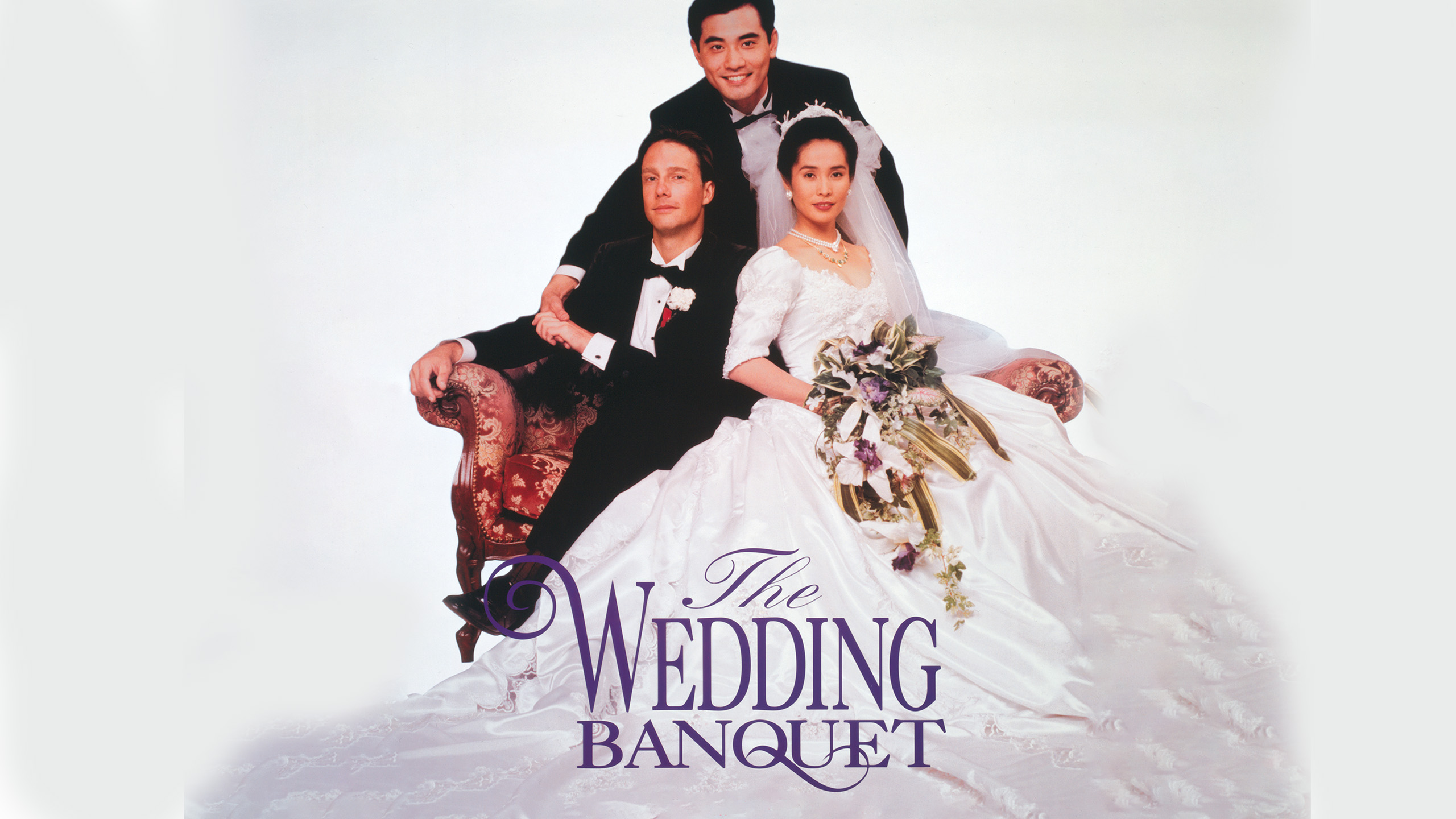
The Wedding Banquet (1993): A Cross-Cultural Comedy of Errors

radicalthought.org – Directed by Ang Lee, “The Wedding Banquet” (1993) is a critically acclaimed comedy-drama that artfully weaves themes of cultural identity, family expectations, and the complexities of love. This film stands as a testament to Ang Lee’s ability to tackle sensitive subjects with humor and grace, making it a pivotal piece in his illustrious career.

Synopsis

The story centers on Wai-Tung Gao, a successful Taiwanese immigrant living in New York City with his American partner, Simon. To appease his traditional parents and quell their constant pressure for him to marry, Wai-Tung agrees to a marriage of convenience with Wei-Wei, a struggling artist in need of a green card. What begins as a simple plan to satisfy familial expectations spirals into chaos when Wai-Tung’s parents decide to visit and insist on a lavish wedding banquet.

Characters and Performances

Winston Chao stars as Wai-Tung, delivering a nuanced performance that balances humor and emotional depth. Mitchell Lichtenstein plays Simon, Wai-Tung’s supportive partner, whose patience and understanding are tested throughout the film. May Chin’s portrayal of Wei-Wei adds layers to her character, offering both comedic relief and poignant moments of vulnerability. The film also features strong performances from Sihung Lung and Ah-Leh Gua as Wai-Tung’s loving but traditional parents, whose presence brings both warmth and tension to the storyline.

Themes and Cultural Significance

“The Wedding Banquet” explores the intersection of personal identity and cultural expectations. It highlights the challenges faced by LGBTQ+ individuals in reconciling their lives with traditional family values. The film also delves into the immigrant experience, illustrating the balancing act between preserving cultural heritage and assimilating into a new society. Through its clever narrative, the film fosters a greater understanding of the complexities involved in cross-cultural relationships.

Cinematography and Style

Ang Lee’s direction is complemented by the film’s vibrant cinematography, which captures the bustling energy of New York City alongside intimate family moments. The wedding banquet scene is a visual and thematic centerpiece, blending humor with emotional resonance as characters navigate the intricacies of maintaining appearances while staying true to themselves.

Conclusion

“The Wedding Banquet” is a delightful and insightful exploration of love, family, and cultural identity. Its universal themes and engaging storytelling have earned it a place as a landmark film in both LGBTQ+ cinema and Asian American narratives. Ang Lee’s masterful direction, combined with strong performances from the cast, makes “The Wedding Banquet” a must-watch for anyone seeking a film that is both entertaining and thought-provoking.

The Social Network: A Modern Tale of Ambition & Betrayal

radicalthought.org – Released in 2010 and directed by David Fincher, “The Social Network” is a captivating film that delves into the creation of Facebook, one of the most influential social media platforms in the world. Based on the book “The Accidental Billionaires” by Ben Mezrich, the film provides a dramatized account of Facebook’s early days, exploring themes of ambition, innovation, and the complexities of personal relationships.

Plot Overview

“The Social Network” centers around the story of Mark Zuckerberg, portrayed by Jesse Eisenberg, a Harvard student who creates a social networking site in his dorm room that eventually becomes Facebook. The film follows the tumultuous journey from the platform’s inception to its rapid growth and the ensuing legal battles. As Facebook’s success skyrockets, Zuckerberg faces lawsuits from his former best friend and co-founder, Eduardo Saverin, played by Andrew Garfield, as well as the Winklevoss twins, who claim he stole their idea.

Character Development

Jesse Eisenberg’s portrayal of Mark Zuckerberg is a study in complexity, capturing the character’s brilliance, social awkwardness, and relentless drive. Andrew Garfield delivers a powerful performance as Eduardo Saverin, whose friendship with Zuckerberg deteriorates amidst the pressures of business success. Armie Hammer’s dual role as the Winklevoss twins adds an intriguing dynamic to the narrative, highlighting themes of privilege and competition.

Themes and Influence

At its core, “The Social Network” is a story about ambition and betrayal. It explores the personal and ethical dilemmas faced by those in the tech industry as they navigate the intersection of innovation and personal integrity. The film also examines the nature of friendship and loyalty in the high-stakes world of business, prompting audiences to reflect on the cost of success.

Cultural Impact

“The Social Network” received critical acclaim for its screenplay by Aaron Sorkin, sharp dialogue, and compelling storytelling. It garnered numerous awards, including three Academy Awards. The film has sparked conversations about the origins of Facebook, the impact of social media on society, and the personalities behind the tech industry’s most influential companies.

Conclusion

“The Social Network” remains a significant film that offers both entertainment and insight into the early days of Facebook. Its exploration of ambition, technology, and human relationships continues to resonate with audiences, providing a thought-provoking look at the forces that shape our digital world. As social media continues to evolve, the film’s themes of innovation and ethical challenges remain relevant, making it a timeless piece of modern cinema.

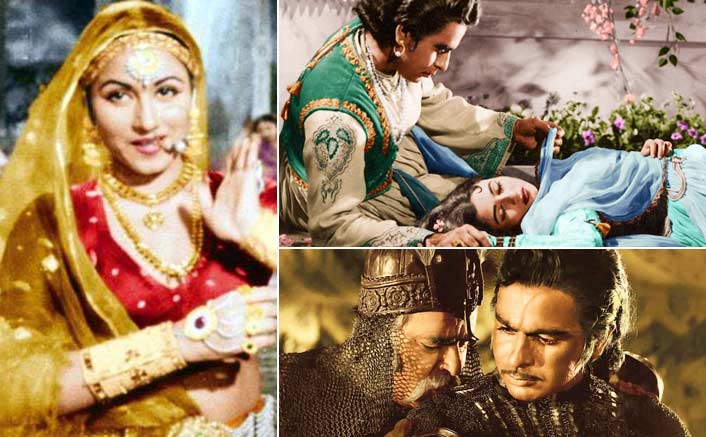
Mughal-e-Azam: A Timeless Epic of Love and Betrayal

radicalthought.org – “Mughal-e-Azam” is one of the most iconic films in the history of Indian cinema. Directed by K. Asif and released in 1960, this epic historical drama has captivated audiences for decades with its grand narrative, opulent sets, and unforgettable performances. Set against the backdrop of the Mughal Empire, the film explores themes of love, loyalty, and conflict within a royal family.

Plot Overview

The story of “Mughal-e-Azam” revolves around the forbidden romance between Prince Salim, played by Dilip Kumar, and Anarkali, a courtesan portrayed by Madhubala. Their love faces fierce opposition from Emperor Akbar, played by Prithviraj Kapoor, who believes that the union threatens the stability of his empire. The film follows the emotional and political turmoil that ensues, culminating in a dramatic clash between love and duty.

Themes and Symbolism

At its core, “Mughal-e-Azam” is a tale of passionate love and the sacrifices it demands. It delves into the tension between personal desires and societal obligations, highlighting the power dynamics within a royal family. The film also reflects on the concept of justice and the heavy burdens of leadership, as Emperor Akbar grapples with his role as both a father and a ruler.

Cinematic Excellence

“Mughal-e-Azam” is celebrated for its lavish production values and artistic achievements. The film’s set design and costumes are a visual spectacle, showcasing the grandeur of the Mughal era. The use of Technicolor in key scenes, such as the iconic “Pyar Kiya To Darna Kya” song sequence, adds to the film’s allure. Naushad’s music score, with its timeless melodies, enhances the emotional depth of the narrative.

Critical Acclaim and Legacy

Upon its release, “Mughal-e-Azam” was a commercial triumph and received critical acclaim for its direction, performances, and technical brilliance. It has since become a cultural landmark, influencing generations of filmmakers and audiences. The film’s re-release in color in 2004 introduced it to a new generation, reaffirming its status as a masterpiece of Indian cinema.

Conclusion

“Mughal-e-Azam” remains an enduring symbol of cinematic excellence and storytelling. Its rich narrative and breathtaking visuals continue to resonate with viewers, ensuring its place in the pantheon of classic films. The timeless love story of Salim and Anarkali, set against the backdrop of a majestic empire, continues to inspire and captivate audiences around the world.

Before the Storm: A Dive into the Star Wars Universe

radicalthought.org – “Before the Storm” is a novel written by Michael P. Kube-McDowell, part of the Star Wars Legends series. It is the first book in the Black Fleet Crisis trilogy, originally published in March 1996. This novel embarks on a journey into the expansive Star Wars universe, exploring new storylines and deepening existing character arcs.

Plot Overview

Set in the Star Wars galaxy, “Before the Storm” introduces readers to a time of relative peace following the defeat of the Empire. However, this tranquility is soon threatened by the emergence of a new adversary—the Yevetha, a xenophobic alien race on the rise in the galaxy. As the New Republic grapples with internal politics and external threats, familiar characters such as Leia Organa Solo, Han Solo, and Luke Skywalker find themselves at the heart of the unfolding crisis.

Character Development

Michael P. Kube-McDowell’s narrative delves into the complexities of established characters while introducing new ones. Leia, now a leader in the New Republic, faces the challenges of diplomacy and governance. Han Solo takes on a more personal mission, and Luke Skywalker continues his quest for knowledge and understanding of the Force. The novel also introduces Nil Spaar, the cunning and ruthless leader of the Yevetha, adding tension and intrigue to the plot.

Themes and Motifs

“Before the Storm” explores themes of political intrigue, leadership, and the moral dilemmas faced by those in power. It examines the delicate balance between peace and conflict, highlighting the ever-present threat of war in the galaxy. The novel also delves into the personal struggles of its characters, as they navigate their roles within the larger narrative of the Star Wars universe.

Impact on the Star Wars Expanded Universe

As part of the Star Wars Legends series, “Before the Storm” contributes to the rich tapestry of stories that expand the Star Wars universe beyond the films. It offers fans deeper insights into beloved characters and introduces new elements to the Star Wars mythos. The Black Fleet Crisis trilogy is often praised for its intricate plotting and mature themes, making it a significant addition to the Expanded Universe.

Conclusion

“Before the Storm” is a captivating entry in the Star Wars Legends series, blending familiar elements with new and exciting developments. It stands as a testament to the enduring appeal of the Star Wars saga, offering readers a chance to explore the galaxy far, far away in greater depth. Whether you’re a long-time fan or new to the series, this novel provides an engaging and thought-provoking journey into the Star Wars universe.