Jejak Misteri di Pulau Spike: Tangga Tersembunyi Ungkap Rahasia Penjara Tua

radicalthought.org – Tim arkeolog Irlandia menemukan sebuah tangga tersembunyi saat menyelidiki area bersejarah di Pulau Spike. Mereka menjalankan survei menggunakan teknologi pemindaian tanah canggih dan menemukan struktur batu yang tidak tercatat dalam peta atau dokumen lama. Penemuan ini langsung menarik perhatian para ahli sejarah karena berpotensi mengubah pemahaman tentang pulau tersebut.

Tangga Tersembunyi Buka Akses ke Lorong Rahasia

Para peneliti menyingkirkan semak-semak dan reruntuhan sebelum melihat tangga yang menurun ke lorong sempit. Lorong tersebut mengarah ke bagian dalam Fort Mitchell, bangunan utama yang dulu berfungsi sebagai penjara. Tim mendokumentasikan setiap detail dan segera melakukan eksplorasi lebih lanjut.

Pulau Spike Simpan Masa Lalu yang Gelap

Inggris menjadikan Pulau Spike sebagai penjara militer sejak abad ke-18. Pemerintah kolonial menahan ribuan narapidana, termasuk tahanan politik, pencuri kecil, dan orang-orang yang akan dikirim ke koloni lain seperti Australia. Para tahanan menjalani kehidupan keras di tempat terpencil dan terisolasi ini. Warga Irlandia pun menjuluki lokasi itu sebagai “Alcatraz Irlandia” karena reputasinya yang menakutkan.

Sejarawan Telusuri Tujuan Asli Tangga Ini

Beberapa peneliti menduga para penjaga penjara menggunakan tangga tersebut sebagai jalur rahasia antar pos pengawasan. Teori lain menyebutkan kemungkinan bahwa tangga itu digunakan untuk menyelundupkan barang atau bahkan melarikan diri secara diam-diam. Tim sejarah kini menganalisis dokumen kolonial dan mewawancarai warga lokal guna mencari petunjuk tambahan.

Pemerintah Tindak Cepat Lindungi Temuan

Kementerian Kebudayaan Irlandia segera mengirim tim konservasi untuk melindungi tangga dan struktur pendukungnya. Mereka mendirikan pagar pembatas, menambahkan papan informasi, dan menetapkan zona larangan masuk bagi pengunjung sembarangan. Langkah ini bertujuan menjaga keaslian temuan agar dapat diteliti lebih dalam oleh para ahli.

Potensi Wisata Sejarah Kian Meningkat

Dinas pariwisata County Cork mulai menyusun program tur baru yang akan menampilkan tangga rahasia sebagai titik utama. Mereka juga berencana menyertakan pemandu sejarah dan pameran interaktif untuk menjelaskan konteks penemuan ini. Para pejabat memperkirakan lonjakan wisatawan karena daya tarik baru tersebut.

Penemuan Ini Buka Pintu Sejarah Baru

Para arkeolog menilai penemuan ini sebagai awal dari banyak misteri lain yang belum terungkap https://www.superme-espana.com/ di Pulau Spike. Mereka merancang ekspedisi lanjutan untuk mengeksplorasi lebih banyak bagian dari benteng tua tersebut. Tim peneliti berharap dapat mengungkap jejak-jejak sejarah yang selama ini tersembunyi di balik tembok dan tanah pulau terpencil ini.

Exploring the Majestic Beauty of Tiger Leaping Gorge

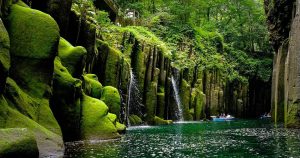
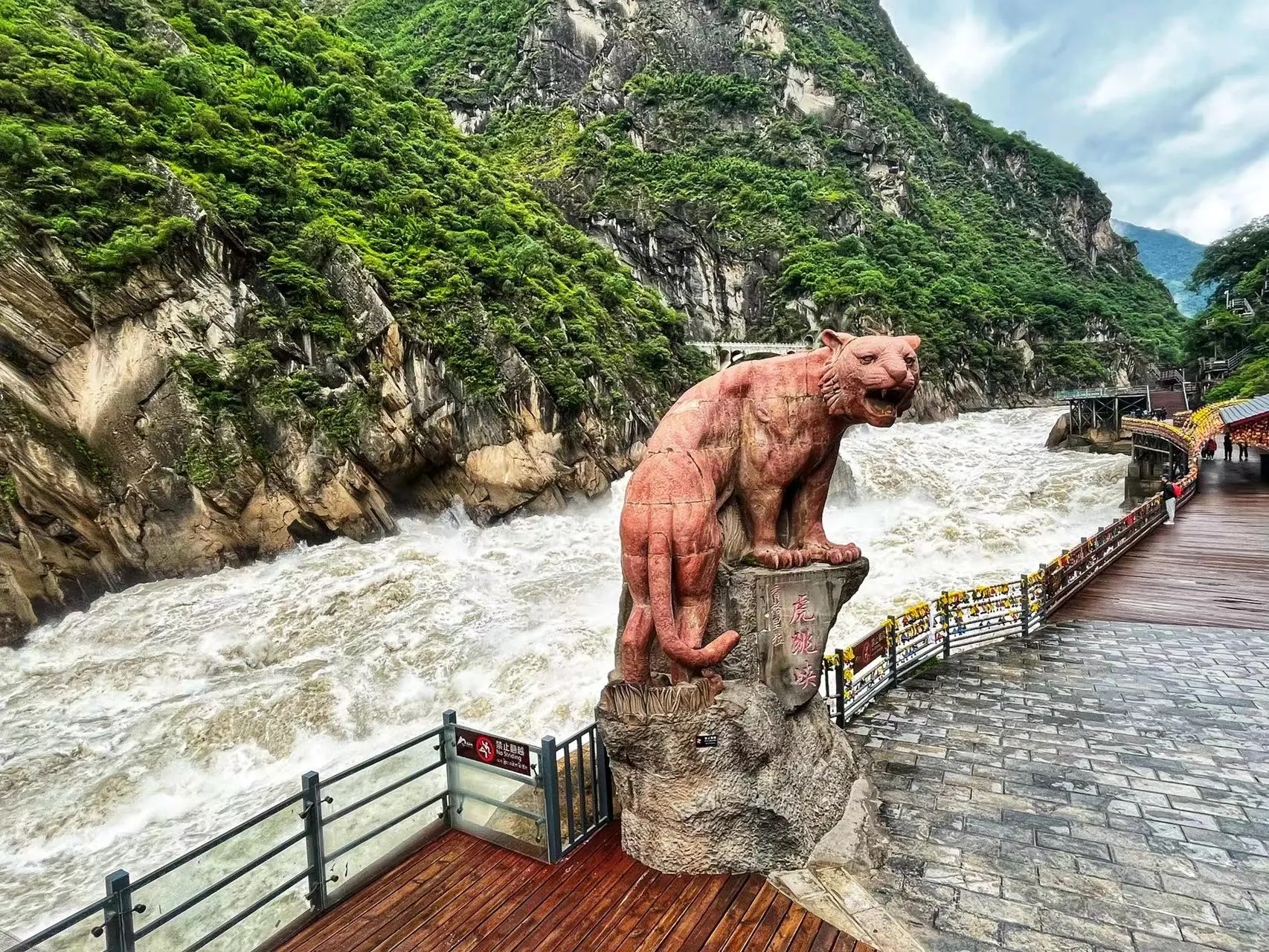
radicalthought.org – Tiger Leaping Gorge, one of the deepest and most spectacular river canyons in the world, is a natural wonder located in the southwestern province of Yunnan, China. Renowned for its breathtaking scenery and adventurous hiking trails, this gorge is a must-visit destination for nature lovers and thrill-seekers alike.

Geological Marvel

Carved by the mighty Jinsha River, a primary tributary of the Yangtze River, Tiger Leaping Gorge stretches over 15 kilometers and plunges to depths of up to 3,790 meters, flanked by the towering Jade Dragon Snow Mountain and Haba Snow Mountain. The gorge derives its name from a local legend in which a tiger, fleeing a hunter, leapt across the river at its narrowest point, a staggering 25 meters wide.

Hiking Adventure

Tiger Leaping Gorge offers some of the most exhilarating hiking experiences in China, attracting trekkers from around the globe. The trail is divided into two main sections: the Upper Gorge and the Middle Gorge, each offering unique vistas and challenges. The high trail, which winds along the upper cliffs, provides panoramic views of the gorge and surrounding mountains, while the lower trail brings hikers closer to the river’s powerful rapids.

The trek typically takes two to three days to complete, with several guesthouses along the way providing accommodation and rest stops. Hikers can enjoy the serene beauty of terraced fields, lush forests, and traditional Naxi villages, immersing themselves in the local culture and hospitality.

Cultural Significance

The region surrounding Tiger Leaping Gorge is home to the Naxi people, an ethnic minority with a rich cultural heritage. The Naxi are known for their unique Dongba culture, which encompasses traditional music, dance, and religious practices. Visitors to the gorge can experience this vibrant culture firsthand by interacting with local communities and participating in cultural events.

Environmental Conservation

Tiger Leaping Gorge is not only a natural and cultural treasure but also an area of ecological significance. Efforts have been made to preserve the gorge’s pristine environment, balancing tourism with conservation. The local government and environmental organizations work together to protect the region’s biodiversity and promote sustainable tourism practices.

Conclusion

Tiger Leaping Gorge is a breathtaking testament to the power of nature and the beauty of China’s diverse landscapes. Whether you’re an avid hiker seeking adventure or a traveler looking to experience the tranquility of untouched nature, the gorge offers an unforgettable journey into one of the world’s most awe-inspiring natural settings. Its combination of stunning scenery, cultural richness, and ecological importance makes Tiger Leaping Gorge a destination that should be on every traveler’s bucket list.

Kehidupan Malam di Phnom Penh, Kamboja: Menyambut Keseruan dan Budaya yang Beragam

radicalthought – Ketika matahari terbenam, Phnom Penh, ibu kota Kamboja, bertransformasi menjadi pusat kehidupan malam yang semarak. Dengan kombinasi budaya yang kaya, tempat hiburan yang beragam, dan suasana yang dinamis, kota ini menawarkan pengalaman malam yang tak terlupakan bagi para pengunjung dan penduduk setempat.

Destinasi Populer

kehidupan-malam-di-phnom-penh-kamboja-menyambut-keseruan-dan-budaya-yang-beragam

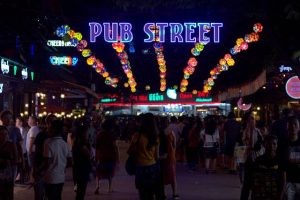
Salah satu lokasi utama untuk menikmati kehidupan malam di Phnom Penh adalah sepanjang Sungai Mekong. Kawasan ini dipenuhi dengan bar, restoran, dan kafe yang menawarkan berbagai pilihan hiburan. Tempat-tempat seperti Boeung Keng Kang (BKK) dan Sisowath Quay menjadi favorit para pelancong dan ekspatriat. Di sini, pengunjung dapat menemukan bar yang menyajikan minuman khas Kamboja, seperti Angkor Beer dan Rice Wine, sambil menikmati pemandangan indah sungai.

Hiburan Malam

kehidupan-malam-di-phnom-penh-kamboja-menyambut-keseruan-dan-budaya-yang-beragam

Di samping bar dan restoran, Phnom Penh juga dikenal dengan hiburan malamnya yang bervariasi. Pertunjukan musik live, DJ internasional, dan acara budaya sering diadakan di berbagai tempat. Klub malam seperti Heart of Darkness dan Pontoon menjadi tempat berkumpulnya para penggemar musik, menawarkan pengalaman berpesta hingga pagi hari dengan alunan musik yang menggugah semangat.

Selain itu, bagi yang mencari pengalaman yang lebih santai, banyak kafe dan lounge yang menyajikan suasana tenang, ideal untuk bersosialisasi dengan teman-teman. Tempat-tempat seperti The Flicks menyediakan film-film indie dan klasik, menciptakan suasana yang nyaman untuk para pencinta film.

Budaya dan Makanan Malam

kehidupan-malam-di-phnom-penh-kamboja-menyambut-keseruan-dan-budaya-yang-beragam

Kehidupan malam di Phnom Penh juga sangat dipengaruhi oleh budaya lokal. Makanan jalanan menjadi salah satu daya tarik utama. Para pengunjung dapat mencoba berbagai hidangan khas Kamboja, seperti Amok (ikan kukus dengan santan) dan Nom Banh Chok (mi beras dengan saus kari). Pasar malam, seperti Phsar Thmey (Pasar Baru), menjadi lokasi yang sempurna untuk menjelajahi berbagai makanan lokal sambil menikmati suasana malam yang ramai.

Meskipun kehidupan malam di Phnom Penh sangat menarik, pengunjung diingatkan untuk tetap waspada terhadap keamanan kamboja slot. Disarankan untuk tidak membawa barang berharga yang tidak perlu dan menghindari daerah-daerah yang kurang ramai. Selain itu, menghormati budaya setempat sangat penting, terutama saat berinteraksi dengan penduduk lokal.

Kehidupan malam di Phnom Penh menawarkan pengalaman yang kaya dan beragam bagi semua orang. Dengan perpaduan antara budaya, hiburan, dan kuliner yang menggoda, kota ini adalah tujuan yang sempurna bagi mereka yang ingin merasakan suasana malam yang berbeda. Dari bar yang ramai hingga kafe yang tenang, Phnom Penh benar-benar memiliki sesuatu untuk setiap selera, menjadikannya salah satu hotspot kehidupan malam di Asia Tenggara.

Keajaiban Alam Jepang: Dari Gunung Fuji hingga Hutan Bambu Arashiyama

radicalthought – Jepang, negara yang terkenal dengan kekayaan budayanya, juga memiliki keindahan alam yang menakjubkan. Dari pemandangan ikonik Gunung Fuji hingga ketenangan Hutan Bambu Arashiyama, keajaiban alam Jepang menawarkan pengalaman yang tak terlupakan bagi para wisatawan. Artikel ini akan menjelajahi dua destinasi alam paling terkenal di Jepang yang mencerminkan keindahan dan keunikan negara ini.

Gunung Fuji: Simbol Keanggunan Jepang

keajaiban-alam-jepang-dari-gunung-fuji-hingga-hutan-bambu-arashiyama

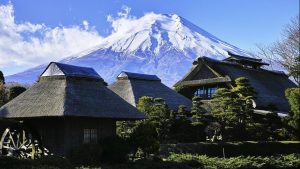
Gunung Fuji (Fuji-san) adalah gunung tertinggi di Jepang dengan ketinggian 3.776 meter. Terletak di perbatasan antara Prefektur Yamanashi dan Shizuoka, Gunung Fuji adalah ikon budaya Jepang dan sering menjadi subjek dalam seni dan sastra. Keindahan Gunung Fuji terletak pada bentuk kerucutnya yang sempurna, terutama ketika diselimuti salju di puncaknya.

Musim terbaik untuk mengunjungi Gunung Fuji adalah pada bulan Juli hingga September, saat jalur pendakian dibuka untuk umum. Pendakian ke puncak Gunung Fuji adalah pengalaman yang mengesankan, menawarkan pemandangan spektakuler saat matahari terbit dari atas. Selain pendakian, pengunjung juga dapat menikmati berbagai kegiatan di sekitar danau Fuji, termasuk berperahu dan memancing, serta mengunjungi onsen (pemandian air panas) yang terletak di sekitarnya.

Hutan Bambu Arashiyama: Keindahan Alam yang Menenangkan

keajaiban-alam-jepang-dari-gunung-fuji-hingga-hutan-bambu-arashiyama

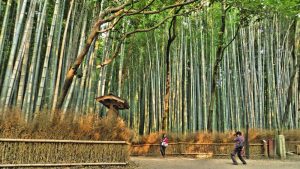
Terletak di pinggiran Kyoto, Hutan Bambu Arashiyama adalah salah satu tempat paling instagramable di Jepang. Hutan ini terkenal dengan deretan pohon bambu yang menjulang tinggi, menciptakan suasana damai dan tenang bagi pengunjung. Berjalan di antara bambu-bambu ini adalah pengalaman yang menenangkan, diiringi suara gemerisik dedaunan dan angin yang lembut.

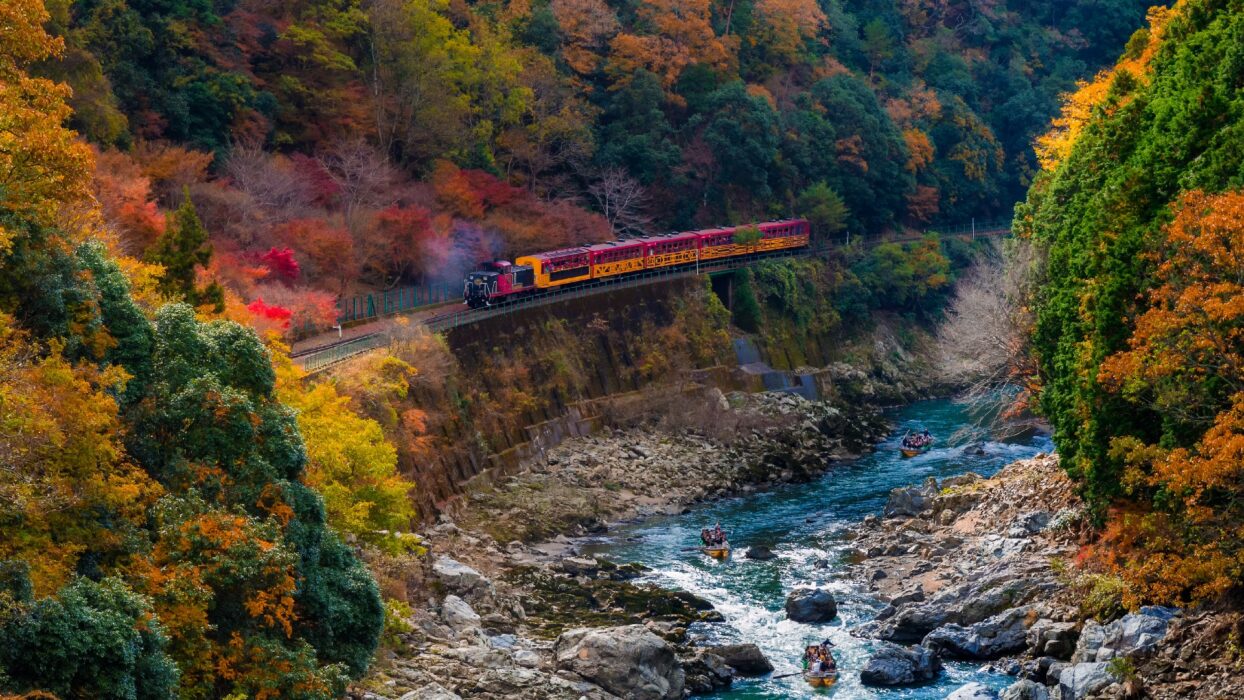
Hutan Bambu Arashiyama juga menawarkan berbagai atraksi lainnya, termasuk Kuil Tenryu-ji yang terdaftar sebagai Warisan Dunia UNESCO, yang memiliki taman Jepang yang indah. Selain itu, pengunjung dapat menjelajahi jembatan Togetsukyo yang ikonik dan menikmati pemandangan sungai Hozu yang menakjubkan.

Keberagaman Alam yang Menawan

keajaiban-alam-jepang-dari-gunung-fuji-hingga-hutan-bambu-arashiyama

Jepang memiliki banyak keajaiban alam lainnya, seperti taman nasional yang meliputi pegunungan, pantai, dan taman bunga. Setiap musim di Jepang membawa keunikan tersendiri, seperti sakura yang mekar di musim semi, daun merah yang cantik di musim gugur, dan salju yang menutupi lanskap di musim dingin.

Para wisatawan dari seluruh dunia berbondong-bondong ke slot jepang tidak hanya untuk menikmati keindahan alam, tetapi juga untuk merasakan budaya yang kaya dan tradisi yang telah ada selama berabad-abad. Jepang adalah contoh sempurna bagaimana keindahan alam dan budaya dapat bersatu untuk menciptakan pengalaman yang luar biasa bagi setiap pengunjung.

Keajaiban alam Jepang, mulai dari Gunung Fuji yang megah hingga Hutan Bambu Arashiyama yang menawan, adalah bagian penting dari daya tarik negara ini. Dengan keindahan alamnya yang luar biasa dan warisan budayanya yang kaya, Jepang terus menjadi destinasi favorit bagi para pelancong yang ingin menjelajahi keajaiban alam dan budaya yang unik. Mengunjungi Jepang adalah pengalaman yang akan meninggalkan kesan mendalam dan keinginan untuk kembali lagi.

The FBI’s International Reach: Global Operations & Partnerships

radicalthought.org – The Federal Bureau of Investigation (FBI) is renowned for its domestic law enforcement and intelligence operations within the United States. However, the scope of its activities extends far beyond national borders, engaging in a myriad of international operations and forging critical partnerships worldwide. This global reach is essential in an era where crime and security threats are increasingly transnational.

The Evolution of the FBI’s International Role

The FBI’s international engagement began in earnest during the mid-20th century, primarily focused on counterintelligence and the pursuit of fugitives who had fled the United States. Over time, the nature of global threats evolved, leading to a significant expansion of the FBI’s international footprint. Today, the agency plays a pivotal role in combating terrorism, cybercrime, and other transnational threats.

Legal Attachés: The FBI’s Eyes and Ears Abroad

The FBI’s international presence is primarily facilitated through its network of Legal Attachés (Legats), stationed in U.S. embassies and consulates around the world. These Legats serve as the FBI’s official representatives, liaising with foreign law enforcement agencies, intelligence services, and international organizations. They play a crucial role in information sharing, joint investigations, and operational coordination.

As of 2024, the FBI has over 60 Legats across the globe, reflecting its commitment to a broad international engagement strategy. These offices are strategically located in regions with significant security challenges, including the Middle East, Europe, and Asia.

Joint Operations and Task Forces

The FBI frequently participates in joint operations and task forces with international partners. These collaborative efforts are essential in addressing complex and transnational threats that no single agency can tackle alone. Examples include the Joint Terrorism Task Forces (JTTFs), which bring together FBI agents, local law enforcement, and international partners to combat terrorism.

Cybercrime is another area where international collaboration is critical. The FBI works closely with Interpol, Europol, and other international bodies to investigate and disrupt cybercriminal networks. Operation Endgame, mentioned earlier, is a prime example of such collaboration, involving multiple countries and agencies.

Challenges and Controversies

Despite the successes of international collaboration, the FBI faces several challenges in its global operations. Legal and jurisdictional issues can complicate cross-border investigations, requiring careful navigation of international laws and treaties. Additionally, political sensitivities and differences in law enforcement practices can strain partnerships.

Privacy and civil liberties concerns also arise in the context of international surveillance and intelligence sharing. The FBI must balance its operational needs with respect for individual rights, both at home and abroad.

The Future of the FBI’s International Engagement

Looking ahead, the FBI’s international role is likely to expand further, driven by the evolving nature of global threats. Emerging technologies, such as artificial intelligence and encryption, present new challenges for law enforcement. The FBI will need to adapt its strategies and enhance its international partnerships to stay ahead of these threats.

Conclusion

The FBI’s international reach is a testament to the agency’s commitment to protecting national security in an interconnected world. Through its network of Legal Attachés, joint operations, and strategic partnerships, the FBI plays a vital role in combating transnational crime and terrorism. As global threats continue to evolve, the FBI’s global operations and partnerships will remain a critical component of its mission.

Pharaoh: The Divine Ruler of Ancient Egypt

radicalthought.org – Ancient Egypt, with its monumental pyramids, intricate hieroglyphs, and enduring legacy, was a civilization that captivated the imagination of people across the ages. At the pinnacle of this society stood the Pharaoh, a figure who was not only the political leader but also the embodiment of divine authority on earth. The title “Pharaoh” encapsulates the profound intertwining of religious and royal power that characterized the governance of ancient Egypt.

The Origin and Evolution of the Title

The term “Pharaoh” is derived from the ancient Egyptian words “pr-aa,” meaning “great house,” which initially referred to the royal palace but eventually became a title for the ruler himself. The use of the title evolved over time, with its earliest known usage dating back to the 12th Dynasty (circa 1991-1802 BCE). However, it was during the New Kingdom (circa 1550-1070 BCE) that the title “Pharaoh” became more commonly associated with the ruler of Egypt.

The Divine Authority of the Pharaoh

Central to the role of the Pharaoh was the belief in his divine nature. He was considered the earthly representative of the gods, particularly Ra, the sun god, and Osiris, the god of the afterlife. This divine connection granted the Pharaoh absolute authority over both the spiritual and temporal realms of Egyptian society. His duties included maintaining order (Ma’at), ensuring the prosperity of the kingdom through successful military campaigns and building projects, and conducting religious rituals to appease the gods and guarantee the annual flooding of the Nile, which was crucial for agriculture.

The Pharaoh’s Role in Egyptian Society

The Pharaoh’s influence permeated every aspect of Egyptian life. He was the supreme commander of the military, the head of the judiciary, and the overseer of monumental construction projects, including temples and tombs. The Pharaoh’s wealth and power were immense, derived from taxes, tributes, and the control of vast agricultural lands. Despite this, the Pharaoh’s rule was supported by a complex bureaucracy that included viziers, priests, scribes, and military officials, each playing a crucial role in the administration of the kingdom.

The Legacy of the Pharaohs

The legacy of the Pharaohs is evident in the countless monuments, artifacts, and records that have survived to this day. Figures such as Khufu (Cheops), who commissioned the Great Pyramid of Giza, and Tutankhamun, whose tomb was discovered in the 20th century, have become iconic symbols of ancient Egypt. The reigns of powerful Pharaohs like Hatshepsut, who ruled as a woman in a male-dominated society, and Ramses II, who expanded Egypt’s territory and built numerous temples, highlight the diversity and complexity of the Pharaonic era.

Conclusion

The title of Pharaoh, with its connotations of divine authority and absolute power, encapsulates the essence of ancient Egyptian civilization. The Pharaohs were not merely rulers but were seen as the living gods who ensured the prosperity and continuity of their kingdom. Through their monumental achievements and the rich cultural heritage they left behind, the Pharaohs continue to fascinate and inspire, serving as a testament to the enduring legacy of ancient Egypt.

A Linguistic Journey: The Tongan Language

radicalthought.org – The Tongan language, known as “lea fakatonga,” is a Polynesian language spoken by the people of Tonga, a group of islands in the South Pacific Ocean. It is a vital part of Tongan culture and identity, embodying the history, traditions, and values of the Tongan people. This article delves into the linguistic journey of the Tongan language, exploring its origins, evolution, and the challenges it faces in the modern world.

Origins and Evolution

The Tongan language belongs to the Austronesian language family, which includes many languages spoken across the Pacific Islands. Its origins can be traced back to the Lapita culture, which spread from Taiwan through the Pacific Islands around 3,000 years ago. Over centuries, the language evolved, influenced by contact with other Pacific Island cultures and, more recently, by European colonization.

The Impact of Colonization and Globalization

The arrival of European missionaries in the late 18th and early 19th centuries had a significant impact on the Tongan language. The missionaries introduced the Latin alphabet, which was adapted to write Tongan, and translated religious texts into the language. This standardized the written form of Tongan and helped preserve the language. However, it also introduced loanwords and grammatical structures from English and other European languages.

Modern Challenges and Preservation Efforts

In the modern era, the Tongan language faces new challenges, primarily from globalization and the dominance of English. Many young Tongans are more fluent in English than in their native tongue, leading to concerns about language loss and the erosion of cultural identity.

To address these challenges, there are ongoing efforts to preserve and promote the Tongan language. These include language classes, immersion programs for children, and the use of technology to create language learning materials. Additionally, the Tongan government has made efforts to ensure the language’s use in official settings and education.

The Role of Language in Cultural Identity

The Tongan language is more than just a means of communication; it is a repository of Tongan history, traditions, and values. Proverbs, poetry, and songs in Tongan reflect the deep connection between the language and the cultural identity of the Tongan people. Preserving the language is crucial for maintaining this connection and ensuring that future generations can access their cultural heritage.

Conclusion

The Tongan language is a living testament to the resilience and richness of Tongan culture. Despite the challenges it faces, the efforts to preserve and promote the language are vital for maintaining the cultural identity of the Tongan people. As the world becomes increasingly globalized, the journey of the Tongan language serves as a reminder of the importance of preserving linguistic diversity and the unique heritage of indigenous languages.

The Impact of Tourism on Tunisia’s Economy

radicalthought.org – Tourism is a vital sector of Tunisia’s economy, contributing significantly to the country’s GDP, employment, and foreign exchange earnings. With its rich history, diverse culture, and beautiful landscapes, Tunisia has long been an attractive destination for visitors from around the world. However, the tourism industry also faces various challenges that impact its sustainability and growth. This article explores the opportunities and challenges of tourism in Tunisia, highlighting its economic impact and the measures needed to ensure its long-term success.

The Economic Benefits of Tourism

Contribution to GDP

Tourism is one of Tunisia’s main sources of income, contributing significantly to the country’s GDP. The sector generates substantial revenue through hotel stays, restaurant services, transportation, and tourist attractions, providing a crucial boost to the economy.

Employment Opportunities

The tourism industry is a major employer in Tunisia, offering direct and indirect job opportunities across various sectors, including hospitality, transportation, and retail. This helps reduce unemployment rates and supports local communities, particularly in regions heavily dependent on tourism.

The Role of Cultural and Historical Tourism

Attracting Visitors with History

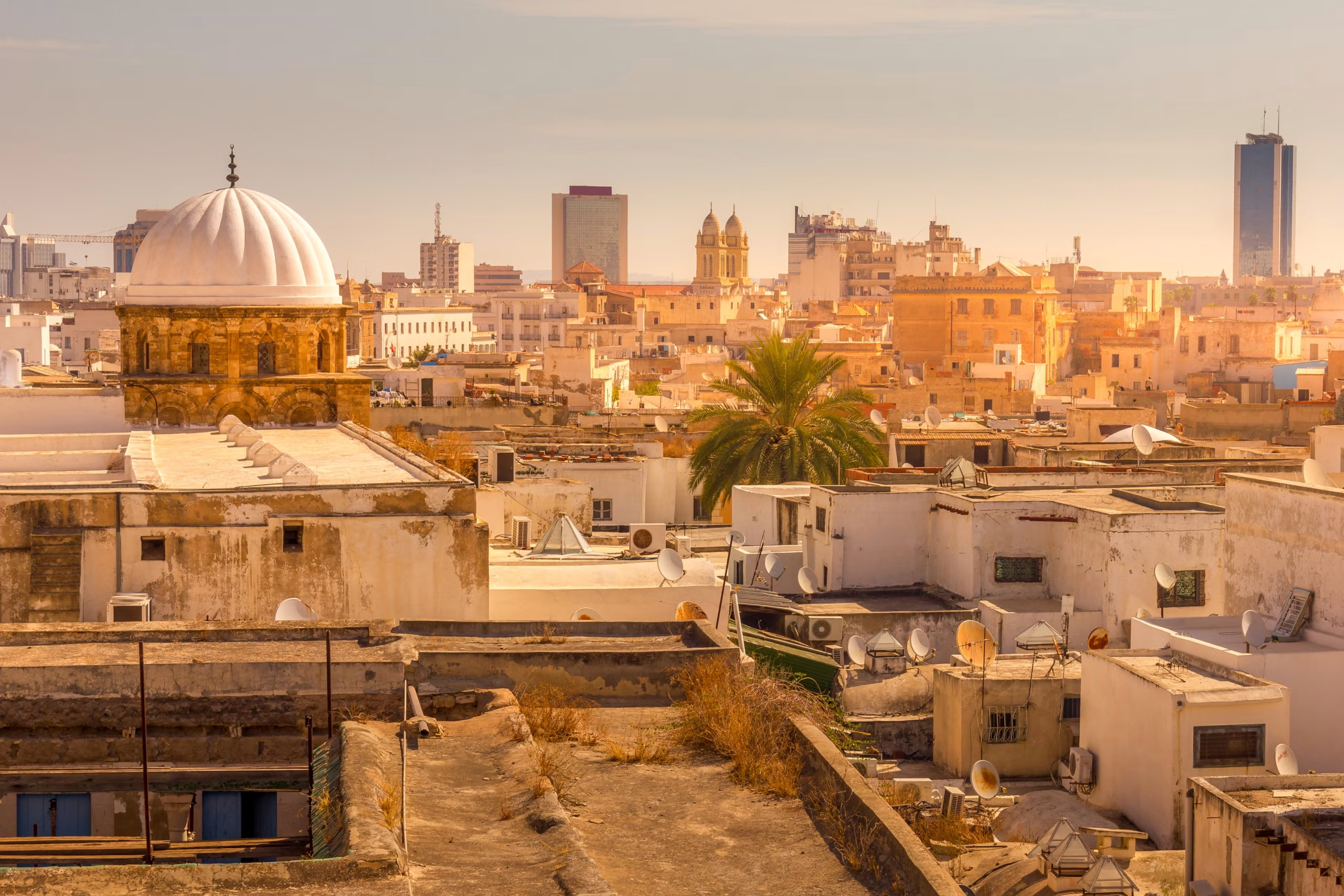
Tunisia’s rich history and well-preserved archaeological sites, such as Carthage, Dougga, and Kairouan, attract history enthusiasts from around the world. These sites not only provide an economic boost but also help preserve the country’s cultural heritage.

Promoting Cultural Exchange

Tourism facilitates cultural exchange, allowing visitors to experience Tunisian culture firsthand. This interaction promotes understanding and appreciation of Tunisia’s diverse cultural traditions, contributing to the country’s soft power and international reputation.

Challenges Facing the Tourism Industry

Political and Social Instability

Tunisia has faced periods of political and social instability, which have negatively impacted the tourism industry. Security concerns and political unrest can deter visitors, leading to a decline in tourist arrivals and revenue.

Environmental Sustainability

The rapid growth of tourism can put pressure on Tunisia’s natural and cultural resources. Ensuring environmental sustainability is crucial to protect these resources for future generations and maintain the attractiveness of tourist destinations.

Competition from Other Destinations

Tunisia competes with other Mediterranean and North African destinations for tourists. Maintaining competitiveness requires continuous investment in infrastructure, marketing, and the quality of tourist experiences.

Strategies for Sustainable Tourism Development

Diversifying Tourist Offerings

To attract a broader range of visitors, Tunisia can diversify its tourist offerings beyond traditional beach and cultural tourism. Eco-tourism, adventure tourism, and gastronomic tourism are potential areas for growth.

Enhancing Infrastructure and Services

Investing in infrastructure, such as transportation and accommodation, and improving the quality of tourist services can enhance the visitor experience and encourage repeat visits.

Promoting Sustainable Practices

Adopting sustainable tourism practices, such as preserving natural and cultural sites, reducing waste, and promoting eco-friendly transportation, is essential for the long-term success of the tourism industry.

Conclusion

Tourism plays a crucial role in Tunisia’s economy, offering numerous opportunities for economic growth and job creation. However, the industry also faces significant challenges that require strategic planning and sustainable practices to overcome. By diversifying its offerings, enhancing infrastructure, and promoting sustainable tourism, Tunisia can continue to attract visitors while preserving its rich cultural and natural heritage for future generations.

Governance and Eritrea’s Political Landscape

radicalthought.org – Eritrea, a small country located in the Horn of Africa, has a political landscape that is both unique and complex. Since gaining independence from Ethiopia in 1993, Eritrea has been governed by the People’s Front for Democracy and Justice (PFDJ), the successor to the Eritrean People’s Liberation Front (EPLF), which led the successful struggle for independence. This article provides an overview of Eritrea’s political landscape and governance structure.

The People’s Front for Democracy and Justice (PFDJ)

The PFDJ has been the dominant political force in Eritrea since independence. It emerged from the EPLF, which was a guerrilla movement that fought a 30-year war against Ethiopian rule. After achieving independence, the EPLF transformed into the PFDJ, which has maintained a tight grip on political power.

One-Party System

Eritrea operates under a de facto one-party system, with the PFDJ being the sole party in power. The constitution, which was drafted in 1997, has not been formally adopted, and elections for a national assembly have not been held. This has led to criticism from international observers who accuse the government of authoritarianism and lack of political pluralism.

Governance Structure

Eritrea’s governance structure is centered around the PFDJ and its leadership. The President of Eritrea, Isaias Afwerki, who has been in power since independence, holds significant authority. The government is organized into various ministries and departments, but decision-making is highly centralized.

The National Assembly

The National Assembly is the highest legislative body in Eritrea. It was established in 1994 and is composed of members appointed by the PFDJ. The assembly has limited powers and meets infrequently, with the executive branch wielding the most influence.

Regional Administration

Eritrea is divided into six regions (zobas), each administered by a governor appointed by the central government. Local administration is also controlled by PFDJ-appointed officials, ensuring that the party’s influence permeates all levels of governance.

Human Rights and Political Freedoms

Eritrea’s governance has been criticized for its poor human rights record and restrictions on political freedoms. The government has been accused of arbitrary detentions, torture, and suppression of dissent. Freedom of the press is severely limited, and there are no independent media outlets.

Military Service

One of the most contentious aspects of Eritrea’s governance is the policy of indefinite national service. All Eritrean citizens are required to serve in the military or in national service programs for an unspecified period, which can last for years. This policy has led to a brain drain, as many young people flee the country to avoid the service.

International Relations

Eritrea’s international relations have been strained due to its governance practices and regional conflicts. The country has been subject to various sanctions and has had tense relations with neighboring Ethiopia. However, in recent years, there have been efforts to normalize relations with Ethiopia and other regional partners.

Conclusion

Eritrea’s political landscape is characterized by a dominant single party, centralized governance, and restrictions on political freedoms. The PFDJ’s control over the political system and its policies, particularly regarding military service, have drawn significant international criticism. Despite these challenges, Eritrea’s government continues to exert its authority, shaping the country’s trajectory in the Horn of Africa.

Exploring the Country’s Biodiversity: Vietnam’s Natural Wonders

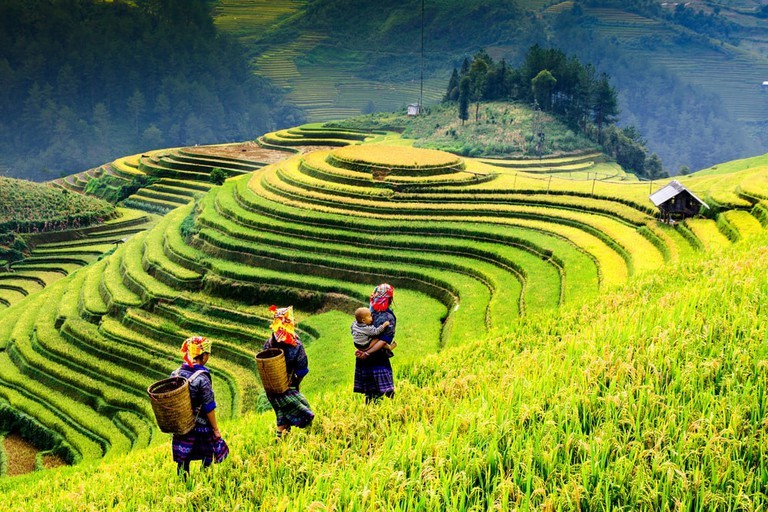
radicalthought.org – Vietnam, a country with a rich tapestry of ecosystems, is home to an astonishing array of flora and fauna. From the lush forests of the north to the sun-kissed beaches of the south, the country’s biodiversity is a testament to its unique position at the crossroads of both continental and maritime Southeast Asia. This article delves into the natural wonders that make Vietnam a paradise for nature enthusiasts and conservationists alike.

The Northern Highlands: A Tapestry of Forests

The northern highlands of Vietnam are characterized by a mosaic of evergreen, deciduous, and bamboo forests. These forests are critical habitats for numerous endemic species, including the iconic Vietnamese pheasant and the elusive Indochinese tiger.

Cat Tien National Park: A Biodiversity Hotspot

Cat Tien National Park, located in the southern part of the country, is a prime example of Vietnam’s commitment to conservation. The park is home to the world’s largest population of gaur, a type of wild cattle, as well as the endangered Siamese crocodile. The park’s success in wildlife conservation is a beacon of hope for the preservation of Vietnam’s natural heritage.

The Central Coast: Coral Reefs and Marine Life

Vietnam’s central coast is fringed by coral reefs that are teeming with marine life. The waters off the coast of Nha Trang and Phu Quoc Island are particularly renowned for their biodiversity, offering a glimpse into the underwater world through snorkeling and diving.

Marine Conservation Efforts

Efforts to protect Vietnam’s coral reefs from threats such as climate change, overfishing, and pollution are ongoing. Marine protected areas and community-based conservation projects are playing a crucial role in safeguarding these vital ecosystems for future generations.

The Mekong Delta: Wetlands and Waterways

The Mekong Delta is not only a hub of agricultural activity but also a critical wetland ecosystem. The delta’s intricate network of canals and tributaries supports a diverse range of aquatic species, including the endangered Irrawaddy dolphin and the Mekong giant catfish.

The Importance of Wetlands

Wetlands are vital for maintaining the ecological balance of the region, providing habitats for numerous species, and acting as natural filters for water. Conservation efforts in the Mekong Delta focus on sustainable farming practices and the preservation of wetland areas.

Conclusion

Vietnam’s natural wonders are a testament to the country’s incredible biodiversity. From the dense forests of the north to the vibrant coral reefs of the central coast and the rich wetlands of the Mekong Delta, Vietnam offers a unique glimpse into the interconnectedness of life on our planet. As we continue to explore and appreciate these natural wonders, it is imperative that we also commit to their conservation, ensuring that they remain a source of wonder and inspiration for generations to come.

The Bukele Administration: El Salvador’s Constitutional Challenges

radicalthought.org – Since taking office in 2019, President Nayib Bukele of El Salvador has embarked on a series of controversial actions that have raised significant constitutional concerns within the country. These challenges have tested the limits of executive power, the separation of powers, and the rule of law in El Salvador. This article examines the key constitutional issues that have arisen during the Bukele administration, highlighting the legal and political implications for the country.

The Rise of New Ideas and Executive Assertiveness

President Bukele, who was elected on an anti-establishment platform, founded the political party New Ideas (Nuevas Ideas) to challenge the traditional parties that had long dominated Salvadoran politics. His presidency has been marked by a strong personalistic style of leadership and a tendency to bypass traditional political channels. This approach has often led to confrontations with other branches of government, particularly the Legislative Assembly and the judiciary.

The 2020 Legislative Assembly Standoff

One of the most notable constitutional challenges occurred in February 2020, when President Bukele ordered soldiers into the Legislative Assembly in an attempt to pressure lawmakers to approve a loan for security forces. This action was widely condemned as a violation of the separation of powers and an unconstitutional use of military force against a co-equal branch of government. The incident sparked national and international outcry and raised concerns about the erosion of democratic norms.

Judicial Independence Under Threat

The Bukele administration has also faced criticism for its handling of the judiciary. In May 2021, the Legislative Assembly, now dominated by New Ideas, voted to remove several Supreme Court justices and the attorney general, alleging corruption and incompetence. This move was seen as an attack on judicial independence and an effort to consolidate power by undermining checks and balances. The international community, including the United States, expressed concern over these actions, warning of potential repercussions for El Salvador’s democratic institutions.

The Bitcoin Law and Constitutionality

Another significant constitutional challenge has been the adoption of Bitcoin as legal tender in El Salvador. In September 2021, the Legislative Assembly, at the behest of President Bukele, passed the Bitcoin Law, making El Salvador the first country in the world to recognize Bitcoin as currency. Critics argue that the rushed implementation of the law and its potential economic implications were not adequately debated, raising questions about the constitutionality of the process and the protection of public interest.

Public Opinion and the Future of Constitutional Governance

Despite these challenges, President Bukele has maintained high approval ratings, suggesting that a significant portion of the Salvadoran public supports his strongman approach. However, the long-term implications of these constitutional challenges remain to be seen. The erosion of institutional checks and balances could have lasting effects on the country’s democratic stability and governance.

Conclusion

The Bukele administration’s confrontational approach to governance has brought to the forefront several constitutional challenges in El Salvador. The balance between executive assertiveness and the protection of democratic institutions is a delicate one, and the actions of the current administration have tested the limits of this balance. As El Salvador navigates these constitutional crossroads, it is crucial for all stakeholders to uphold the rule of law and ensure that democratic principles are preserved for the sake of the country’s future.

The Economic Impact of the 2024 Summer Olympics on Japan

radicalthought.org – The 2024 Summer Olympics, held in Paris, have had a significant economic impact on Japan, both directly and indirectly. Despite the Games being held in France, Japan’s participation and the global attention brought by the event have had noticeable effects on its economy.

Direct Economic Impact

Japan’s participation in the 2024 Olympics has been marked by significant achievements, including winning multiple gold medals, which has boosted national pride and morale. This has indirectly contributed to a positive economic impact by enhancing the country’s image and potentially attracting more tourists and investments in the future.

Indirect Economic Impact

The global attention on the Olympics has also highlighted Japan’s technological advancements and innovations, which are crucial for the Games. This has the potential to attract foreign direct investment and enhance Japan’s position in global markets, particularly in technology and sports-related industries.

Challenges and Considerations

While the Olympics have brought positive economic effects, it is important to note that the direct economic benefits are limited compared to the initial expectations. The Tokyo Olympics, held in 2021, faced significant challenges due to the COVID-19 pandemic, which limited the number of spectators and tourists, thereby reducing the economic benefits.

Future Outlook

Looking forward, the economic impact of the 2024 Olympics on Japan is expected to be more pronounced in the long term. The global exposure and the positive image of Japan as a technologically advanced and sports-loving nation are likely to attract more international events and investments, contributing to the country’s economic growth.

In conclusion, while the direct economic impact of the 2024 Summer Olympics on Japan may be limited, the indirect benefits, including enhanced global image and potential future investments, are significant. These factors are likely to contribute to Japan’s economic growth in the years to come.

A Reflection of National Priorities: Panama’s 2024 Elections

radicalthought.org – As Panama gears up for its general elections in 2024, the political landscape is shaping up to reflect the country’s national priorities. The upcoming elections are expected to be highly competitive, with various political parties and candidates vying for the presidency and legislative seats. This article explores the key issues that are likely to dominate the election campaign and how they reflect the national priorities of Panama’s electorate.

Economic Stability and Growth

One of the top priorities for Panama’s electorate is economic stability and growth. The COVID-19 pandemic and global economic challenges have impacted Panama’s economy, leading to a focus on recovery and sustainable growth. Candidates and political parties are expected to propose policies aimed at boosting economic activity, creating jobs, and attracting foreign investment. Issues such as tax reform, infrastructure development, and support for small and medium-sized enterprises (SMEs) are likely to be central to the economic debate.

Social Welfare and Education

Social welfare and education are critical issues that resonate with the electorate. Panama’s voters are looking for candidates who can commit to improving public services, ensuring access to quality healthcare, and enhancing the education system. The pandemic has highlighted the need for a robust social safety net, and candidates are expected to propose measures to strengthen social welfare programs and make healthcare and education more accessible and of higher quality.

Environmental Sustainability

Environmental sustainability has emerged as a significant concern for Panama’s electorate. The country is known for its rich biodiversity and has been affected by climate change, including increased risk of natural disasters. Candidates are likely to address issues such as conservation efforts, sustainable development, and climate change mitigation. The electorate is seeking leaders who can balance economic development with environmental protection, ensuring that Panama’s natural heritage is preserved for future generations.

Public Security

Public security is another key issue that is expected to feature prominently in the 2024 elections. Panama’s voters are concerned about crime and public safety, and they will be looking for candidates who can propose effective strategies to combat crime, improve law enforcement, and ensure the safety of citizens. This includes addressing organized crime, drug trafficking, and improving the judicial system to ensure justice and security.

Conclusion

Panama’s 2024 elections are a reflection of the country’s national priorities, with economic stability, social welfare, environmental sustainability, and public security at the forefront of the political debate. The electorate is seeking leaders who can address these challenges effectively, ensuring that Panama continues to develop and prosper. As the campaign unfolds, it will be crucial for candidates to articulate clear and feasible plans to tackle these issues, demonstrating their commitment to the well-being of Panama and its people.

Past and Present: The Latvian Film Industry

radicalthought.org – The Latvian film industry has a rich history that spans over a century, reflecting the country’s cultural, social, and political developments. From the early days of silent films to the vibrant contemporary scene, Latvian cinema has made notable contributions to the world of cinema. This article explores the evolution of the Latvian film industry, highlighting key milestones, influential figures, and the impact of Latvian films on the global stage.

The Early Years: Silent Films and Pioneers

The history of Latvian cinema began in the early 20th century with the advent of silent films. The first known Latvian film, “Līgo Dienas” (Midsummer Day), was released in 1910. This period was marked by pioneering filmmakers who laid the foundations of the Latvian film industry. Notable figures from this era include Kārlis Jelgava and Pauls Vītiņš, who directed some of the earliest Latvian feature films.

The Interwar Period: Growth and Diversity

During the interwar period, the Latvian film industry experienced significant growth. This era saw the production of a diverse range of films, including dramas, comedies, and documentaries. The establishment of film studios and the introduction of sound technology further contributed to the industry’s development. One of the most successful films from this period is “The Fisherman from the Žvirgzdu Street” (1933), directed by Kārlis Mīlenbahs.

Soviet Occupation: Challenges and Resilience

The Soviet occupation of Latvia in 1940 brought significant challenges to the film industry. Censorship and ideological constraints limited the freedom of expression for filmmakers. Despite these obstacles, the Latvian film industry continued to produce notable works, often finding creative ways to navigate the restrictions imposed by Soviet authorities. The 1960s and 1970s saw the emergence of the “New Wave” in Latvian cinema, with directors like Rolands Kalniņš and Aloizs Brenčs pushing the boundaries of what was possible under Soviet rule.

The Road to Independence and Beyond

The late 1980s and early 1990s were a pivotal time for the Latvian film industry, as Latvia moved towards independence from the Soviet Union. This period saw a resurgence of national identity and cultural expression in Latvian cinema. The restoration of independence in 1991 opened new opportunities for Latvian filmmakers, who could now explore a wider range of themes and collaborate with international partners.

Contemporary Latvian Cinema: A Global Presence

Today, the Latvian film industry is more vibrant than ever, with a new generation of filmmakers contributing to a diverse and dynamic cinematic landscape. Latvian films have gained international recognition, participating in prestigious film festivals and winning awards. Directors like Laila Pakalniņa and Māris Martinsons have brought international acclaim to Latvian cinema with their innovative and thought-provoking films.

Support and Development: The Role of Institutions

The success of the Latvian film industry is also due to the support provided by institutions such as the National Film Centre of Latvia. These organizations facilitate the development of the film industry through funding, training programs, and initiatives that promote Latvian films on the global stage.

Conclusion

The Latvian film industry has come a long way since its early days, evolving through various historical and cultural shifts. Today, it stands as a testament to the resilience and creativity of Latvian filmmakers. With a rich past and a promising future, Latvian cinema continues to make significant contributions to the world of cinema, captivating audiences both at home and abroad.

Drive: The Art of Motivation

radicalthought.org – Motivation is the driving force behind all human actions and endeavors. It is the invisible hand that guides us towards our goals, pushing us to overcome obstacles and strive for excellence. But what exactly is motivation, and how can we harness its power to achieve our full potential?

The Psychology of Motivation

At its core, motivation is a psychological construct that encompasses the reasons behind an individual’s actions, desires, and needs. Psychologists have long studied motivation, breaking it down into two main types: intrinsic and extrinsic. Intrinsic motivation comes from within, driven by personal interest or enjoyment in the task itself. Extrinsic motivation, on the other hand, is driven by external rewards or pressures, such as money, grades, or praise.

The Role of Goal Setting

One of the most effective ways to cultivate motivation is through goal setting. Setting clear, achievable goals gives us a roadmap to follow and provides a sense of direction. Goals should be specific, measurable, attainable, relevant, and time-bound (SMART) to ensure they are effective in driving motivation.

The Power of Positive Reinforcement

Positive reinforcement is a powerful tool in the art of motivation. By rewarding desired behaviors, we increase the likelihood that those behaviors will be repeated. This can be done through self-rewards or through recognition from others. It’s important to note that the rewards should be meaningful and relevant to the individual to be effective.

Overcoming Obstacles

No journey is without its challenges, and motivation is no exception. Obstacles such as fear of failure, lack of resources, or loss of interest can derail even the most motivated individual. The key to overcoming these obstacles is resilience and adaptability. By maintaining a positive mindset and being willing to adjust our strategies, we can keep motivation alive even in the face of adversity.

The Importance of Self-Care

In the pursuit of our goals, it’s easy to overlook the importance of self-care. However, taking care of our physical and mental health is crucial for maintaining long-term motivation. This includes getting enough sleep, eating a balanced diet, exercising regularly, and practicing stress-reduction techniques.

Conclusion

Motivation is a complex and multifaceted phenomenon that plays a critical role in our personal and professional lives. By understanding the psychology behind motivation, setting clear goals, using positive reinforcement, overcoming obstacles, and prioritizing self-care, we can master the art of motivation and achieve our highest aspirations.

A Test of Leadership: North Korea’s Response to Natural Disasters

radicalthought.org – North Korea’s approach to managing natural disasters has long been a subject of scrutiny, reflecting the regime’s priorities and the challenges it faces in maintaining stability and control. Recent events, particularly the response to devastating floods, have once again brought the country’s disaster management strategies into the spotlight.

Mobilization of Military and Strict Punishments

In response to severe flooding, North Korea has mobilized its military to assist in rescue and recovery efforts. This strategy, while effective in providing immediate aid, highlights the regime’s reliance on military resources for civilian tasks, a common practice in the country.

However, the response has not been without controversy. Reports suggest that North Korean leader Kim Jong-un has executed several officials for their perceived failures in managing the disaster. This harsh measure underscores the regime’s approach to accountability, which often involves severe punishment for those deemed responsible for failures.

Lack of Infrastructure Investment

Despite the recent efforts, North Korea’s history of inadequate disaster preparedness and infrastructure investment remains a significant issue. The country has repeatedly failed to invest in infrastructure that could mitigate the impact of natural disasters, leading to increased vulnerability and damage.

The adoption of a disaster management strategy in 2019, developed in collaboration with an EU NGO, represents a step towards better preparedness. However, the effectiveness of this strategy in practice remains to be seen, especially given the recent execution of officials.

Political and Economic Implications

Kim Jong-un’s response to the floods also serves as a political tool, allowing him to assert control and demonstrate his leadership in a crisis. By taking a hard stance against those he perceives as responsible for the disaster, he reinforces his authority and maintains a strong grip on the population.

Economically, the disaster has compounded existing challenges, particularly in agriculture, which is crucial for the country’s food security. The government’s decision not to seek outside help in recovering from the floods further isolates the country and exacerbates its economic difficulties.

Conclusion

North Korea’s response to natural disasters is a complex interplay of political, economic, and humanitarian factors. While the regime has shown some capacity to mobilize resources and respond to crises, its failure to invest in long-term disaster preparedness and its use of severe punishments for perceived failures highlight significant challenges.

As North Korea continues to navigate these challenges, the international community watches closely, assessing the regime’s ability to manage crises and the implications for its people and the region.

Governance and Challenges: Togo’s Political Landscape

radicalthought.org – Togo, a coastal country in West Africa, has been navigating a complex political landscape marked by significant developments and challenges. The country’s governance structure and the socio-economic conditions it faces are pivotal in understanding its current trajectory.

Political Governance

Togo’s political governance has undergone significant changes in recent years. The ruling Union pour la République (UNIR) party has dominated the political landscape, holding 59 out of 91 seats in Parliament. The government is led by Prime Minister Victoire Tomegah Dogbe, who heads a 33-member cabinet. A notable shift occurred on March 25, 2024, when legislators adopted a new constitution that transitions the country from a semi-presidential to a parliamentary system. This change sees the President of the Republic holding ceremonial powers and being appointed by Parliament for a single six-year term. The governance of the nation is entrusted to the President of the Council, a newly established role assigned to the leader of the majority party in the Assembly, who will have a six-year mandate and be appointed by the National Assembly. This person will guide national policy and appoint civil and military officials, marking Togo’s entry into its Fifth Republic.

Economic Situation

Economically, Togo has shown resilience despite global challenges. The country has been a logistics and trade hub for the sub-region, with significant progress in economic development. However, poverty levels remain high, particularly in rural areas, where it is twice as high as in urban areas. This disparity is attributed to the concentration of economic growth in modern sectors and poor access to quality services. Poverty is also higher in female-headed households, exacerbated by a lack of economic opportunities, education, and healthcare.

The economic situation has been affected by the COVID-19 pandemic, the economic fallout from Russia’s invasion of Ukraine, and regional instability. A sharp increase in public spending has helped stabilize economic growth, but vulnerable populations have been affected by rising costs of living, access to water and electricity issues, and reduced fiscal space. The government has initiated consolidation measures to reduce the deficit to 3% of GDP by 2025, while also addressing the growing risks of fragility in the Savanes region in the north.

Challenges and Reforms

Togo faces significant challenges in its administrative structures, including a lack of resources, corruption, and socio-political tensions. The government has been urged to step up efforts to address these issues, which include improving the business environment, reducing unemployment, and tackling poverty. The new constitutional changes are seen as a step towards strengthening democratic governance, but the effectiveness of these reforms will depend on their implementation and the ability to address underlying socio-economic disparities.

Conclusion

Togo’s political landscape is at a crossroads, with significant reforms underway that aim to enhance democratic governance and economic stability. However, the challenges of poverty, corruption, and socio-political tensions remain daunting. The success of these reforms will depend on the government’s ability to address these issues effectively and ensure that the benefits of economic growth are more equitably distributed across the population.

Agriculture in Zimbabwe: From Traditional to Modern Practices

radicalthought.org – Agriculture has been the backbone of Zimbabwe’s economy, providing livelihoods to a significant portion of its population. However, the sector has faced numerous challenges, including climate variability, limited access to modern farming techniques, and the need for sustainable practices. This article explores the transition from traditional to modern agricultural practices in Zimbabwe, highlighting the government’s efforts, the challenges faced, and the potential for sustainable development.

Government Initiatives and Policies

The Zimbabwean government has been actively involved in formulating and implementing policies aimed at transforming the agricultural sector. These policies focus on sustainable agriculture development and rural transformation, recognizing the importance of modernizing farming practices to enhance productivity and resilience against climate change.

Sustainable Agriculture Development

The government’s approach to sustainable agriculture development involves integrating modern technologies and practices that are environmentally friendly and economically viable. This includes the adoption of climate-smart technologies, which are crucial for boosting agricultural production and ensuring food security in the face of climate variability.

Rural Transformation

Rural transformation policies aim to improve the living standards of smallholder farmers by providing them with access to modern farming techniques, financial services, and market opportunities. This is essential for enhancing their productivity and resilience, thereby contributing to the overall economic growth of the country.

Challenges in Adopting Modern Practices

Despite the government’s efforts, the transition from traditional to modern agricultural practices has been fraught with challenges. Many rural farmers find it difficult to adopt new farming techniques due to a lack of knowledge, financial constraints, and cultural practices that favor traditional methods.

Knowledge and Training

One of the significant barriers to the adoption of modern agricultural practices is the lack of knowledge and training among rural farmers. There is a need for comprehensive training programs that educate farmers on the benefits and techniques of modern farming, including the use of climate-smart technologies.

Financial Constraints

Financial constraints are another major challenge. Many smallholder farmers lack the resources to invest in modern farming equipment and technologies. This limits their ability to adopt practices that could significantly increase their productivity and income.

Cultural Practices

Cultural practices also play a role in hindering the adoption of modern agricultural practices. Traditional farming methods are often deeply ingrained in the culture and are favored over modern techniques due to familiarity and perceived effectiveness.

The Role of Agroecology

While traditional agricultural practices have their merits, they are not sufficient to transform African agriculture, including that of Zimbabwe. Agroecology, which emphasizes sustainable farming practices that mimic natural ecosystems, is often seen as a dead end for Africa because most African agriculture already follows its principles.

The Need for Modernization

The argument for modernizing agricultural practices in Zimbabwe is not about abandoning traditional methods but about integrating modern technologies and practices that can enhance productivity and sustainability. This includes the use of climate-smart technologies, which are essential for adapting to climate change and ensuring food security.

Conclusion

The transition from traditional to modern agricultural practices in Zimbabwe is crucial for the sustainable development of the sector. While challenges such as knowledge gaps, financial constraints, and cultural practices pose significant obstacles, the government’s initiatives and policies provide a framework for overcoming these hurdles. By focusing on sustainable agriculture development and rural transformation, Zimbabwe can enhance its agricultural productivity, improve the livelihoods of its farmers, and ensure food security for its population.

The Natural Beauty of Djibouti

radicalthought.org – Nestled in the Horn of Africa, Djibouti is a country that boasts a diverse and stunning natural landscape. Despite its small size, Djibouti offers a plethora of natural wonders that attract adventurers and nature enthusiasts from around the globe. From its arid deserts to its lush forests and from its volcanic landscapes to its pristine coastline, Djibouti’s natural beauty is as varied as it is breathtaking.

The Volcanic Landscapes

One of the most striking features of Djibouti’s natural landscape is its volcanic terrain. The country is home to several active and dormant volcanoes, including the famous Lake Assal, which is situated in the crater of the dormant volcano, Mount Houbet. The lake is the lowest point in Africa and is surrounded by dramatic salt flats and rugged cliffs.

The landscape around Lake Assal is otherworldly, with its stark mineral formations and the intense blue of the lake contrasting with the reds and browns of the surrounding desert. Another notable volcanic site is the Ardoukoba volcano, which last erupted in 1978, leaving behind a fascinating landscape of lava flows and volcanic cones.

The Coastal Wonders

Djibouti’s coastline is a treasure trove of marine life and natural beauty. The country’s strategic location at the mouth of the Red Sea has made it a melting pot of marine biodiversity. The waters around Djibouti are home to a variety of coral reefs, mangroves, and sea grass beds, which support a rich ecosystem of fish, dolphins, whales, and the critically endangered dugong.

The Djibouti Underwater National Park is a prime example of the country’s commitment to preserving its marine environment. This protected area offers some of the best snorkeling and diving in the world, with clear waters that allow for unparalleled views of the vibrant coral reefs and the diverse marine life that calls them home.

The Desert and Wildlife

The vast deserts of Djibouti are home to a surprising array of wildlife. The Day Forest National Park, a remnant of the Ethiopian forest that once covered the region, is a sanctuary for endemic species such as the Djibouti francolin and the Archer’s lark. The park’s lush vegetation provides a stark contrast to the surrounding desert and is a testament to Djibouti’s ecological diversity.

The Moucha Island, located off the coast of Djibouti, is another natural gem. This island is known for its birdlife, including the endemic Moucha magpie, and its beaches, which are nesting sites for green sea turtles. The island’s unique ecosystem is a reminder of the importance of conservation in Djibouti’s natural landscapes.

The Cultural Landscapes

Djibouti’s natural beauty is not limited to its wilderness areas; it also includes cultural landscapes that have been shaped by human activity over centuries. The traditional Afar salt caravans, which traverse the Danakil Depression, are a testament to the resilience and ingenuity of Djibouti’s people. This harsh environment, known for its extreme heat and otherworldly landscapes, is a place where nature and culture intersect in a fascinating display of human adaptation.

Conclusion

Djibouti’s natural beauty is a testament to the country’s ecological diversity and the resilience of its people. From its volcanic landscapes to its coastal wonders, and from its desert wildlife to its cultural landscapes, Djibouti offers a unique blend of natural and cultural experiences. As the world continues to discover the hidden gems of Africa, Djibouti stands out as a country that embodies the true essence of natural beauty.

Hallyu and Its Impact on Global Culture: The Korean Wave

radicalthought.org – The Korean Wave, or “Hallyu,” refers to the global popularity of South Korean culture, which encompasses music, television dramas, films, and pop culture. This cultural phenomenon has swept across the globe, influencing fashion, beauty, and entertainment industries worldwide. The Korean Wave has not only introduced the world to the rich cultural heritage of Korea but has also facilitated a deeper understanding and appreciation of Korean society and its people.

The Origins of Hallyu

The origins of Hallyu can be traced back to the late 1990s and early 2000s, when South Korean television dramas began to gain popularity in neighboring countries such as China, Japan, and Taiwan. The success of these dramas was due in part to their relatable themes of love, family, and personal growth, as well as their high production values. As the internet and digital media platforms became more accessible, the Korean Wave quickly spread to other parts of the world, including Southeast Asia, the Middle East, and eventually, the Americas and Europe.

K-Pop: The Soundtrack of the Korean Wave

K-Pop, or Korean pop music, has been one of the most visible and influential components of the Korean Wave. Characterized by its catchy melodies, high-energy choreographies, and visually stunning music videos, K-Pop has attracted a massive international fanbase. Groups like BTS, BLACKPINK, and EXO have become global superstars, breaking records on music charts and streaming platforms worldwide. K-Pop’s success has also led to an increased interest in Korean language and culture among fans, further spreading the influence of Hallyu.

Korean Dramas and Cinema: Captivating Global Audiences

Korean dramas and films have played a significant role in the Korean Wave, offering viewers a glimpse into Korean life and society. With their unique storytelling and emotional depth, Korean dramas have resonated with audiences around the world. Meanwhile, Korean cinema has gained international acclaim, with films like “Parasite” winning the Academy Award for Best Picture in 2020, marking the first time a non-English language film has won the award.

The Impact of Hallyu on Global Culture

The Korean Wave has had a profound impact on global culture, influencing fashion, beauty, and lifestyle trends. Korean beauty products and skincare routines have become popular worldwide, while Korean fashion has inspired designers and consumers alike. Additionally, the Korean Wave has contributed to the growth of the Korean economy, with the cultural export industry becoming a significant contributor to South Korea’s GDP.

Conclusion

The Korean Wave, or Hallyu, has transformed the global cultural landscape, introducing the world to the rich and diverse culture of South Korea. From K-Pop to Korean dramas and cinema, the influence of Hallyu is felt across the globe, bringing people together through shared experiences and stories. As the Korean Wave continues to evolve, its impact on global culture is sure to endure, creating a lasting legacy of cultural exchange and appreciation.