
Crème Brûlée: A Classic French Dessert – Sweet and Crunchy

radicalthought.org – Crème Brûlée, a classic French dessert, is a delightful combination of creamy custard topped with a layer of caramelized sugar. This elegant dessert is a perfect balance of sweet and crunchy, rich and delicate.

A Timeless Treat

While the exact origins of Crème Brûlée are unknown, it is believed to have emerged in 17th-century France. The name “crème brûlée” translates to “burnt cream,” referring to the caramelized sugar crust. Over the centuries, this dessert has become a beloved classic, enjoyed by people around the world.

The Art of Crème Brûlée

The key to a perfect Crème Brûlée lies in the delicate balance of flavors and textures. The custard base is typically made with cream, egg yolks, sugar, and vanilla. The custard is baked in a water bath until it is set but still slightly jiggly. Once cooled, a layer of sugar is sprinkled over the top and caramelized with a kitchen torch.

A Culinary Masterpiece

The caramelized sugar crust provides a satisfying crunch, while the creamy custard offers a rich and indulgent experience. The contrast between the crisp, sweet crust and the smooth, velvety custard is a true delight.

A Modern Twist

While the classic Crème Brûlée recipe is beloved by many, modern chefs have put their own unique spin on this iconic dessert. Some have experimented with different flavors, such as chocolate or fruit, while others have incorporated exotic ingredients, like saffron or cardamom. However, the core elements of the dish – the creamy custard and the caramelized sugar crust – remain unchanged.

A Timeless Dessert

Crème Brûlée is a timeless dessert that continues to captivate taste buds. Its elegant presentation and exquisite flavor make it a perfect ending to any meal. Whether you’re a seasoned home cook or a novice baker, Crème Brûlée is a dish that is well worth the effort.

Cartouche (1962): A Classic French Adventure

radicalthought.org – “Cartouche” is a 1962 French adventure film directed by Philippe de Broca, starring Jean-Paul Belmondo and Claudia Cardinale. Set in 18th-century France, the film combines swashbuckling action with romance and comedy, making it a memorable entry in the genre.

Plot Overview

The film follows the story of Louis de Bourguignon, known as Cartouche, a charismatic and daring highwayman. Disillusioned with the unethical practices of his gang, Cartouche takes leadership and embarks on a series of bold exploits across Paris. Along the way, he encounters love, betrayal, and adventure, all while challenging the authorities and winning the hearts of the public.

Characters and Performances

  • Jean-Paul Belmondo as Cartouche: Belmondo’s performance is a highlight, bringing charm and charisma to the role of the legendary bandit.
  • Claudia Cardinale as Venus: Cardinale plays Venus, Cartouche’s love interest, who adds depth and emotion to the adventurous narrative.
  • Supporting Cast: The film also features strong performances from a talented ensemble cast, adding richness to the story.

Direction and Cinematography

Philippe de Broca’s direction is masterful, blending action and humor seamlessly. The cinematography captures the vibrant essence of 18th-century Paris, with sweeping shots and dynamic action sequences that enhance the film’s adventurous feel.

Themes and Style

“Cartouche” explores themes of loyalty, justice, and love, wrapped in a light-hearted, swashbuckling style. Its playful yet poignant narrative makes it an enduring favorite among fans of classic adventure films.

Reception and Legacy

Upon release, “Cartouche” received positive reviews for its entertaining storyline and engaging performances. It remains a beloved classic in French cinema, showcasing the talents of its iconic cast and crew.

Conclusion

“Cartouche” is a quintessential example of French cinema’s ability to combine action, romance, and comedy in one captivating package. Its enduring appeal lies in its charismatic characters, lively plot, and the timeless charm of its storytelling.

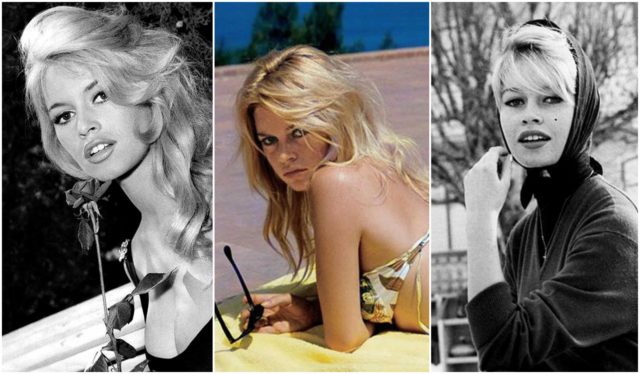
The French Sex Symbol of the Swinging Sixties: Brigitte Bardot

radicalthought.org – In the whirlwind of the 1960s, a cultural revolution was sweeping across the globe, redefining norms and breaking barriers. Amidst this transformative era, one figure emerged as the epitome of the new, liberated woman: Brigitte Bardot. Known affectionately as “BB,” Bardot became an international symbol of freedom, sexuality, and rebellion. Her impact on fashion, film, and society at large was profound, making her a timeless icon of the Swinging Sixties.

The Rise of a Star

Brigitte Bardot’s journey to stardom began in post-war France. Born on September 28, 1934, in Paris, Bardot was discovered by Roger Vadim, a film director who would later become her husband. Her breakthrough role came in 1956 with the film “And God Created Woman,” directed by Vadim. The movie catapulted Bardot to international fame, showcasing her as the embodiment of sexual liberation. Her performance was both controversial and revolutionary, challenging the conservative norms of the time.

Fashion Icon

Beyond her film career, Brigitte Bardot became a fashion icon, influencing styles and trends that are still revered today. Her signature look—the Bardot neckline, a wide off-the-shoulder style that bared her shoulders and neck—became a staple of the era. Her style was effortlessly chic, combining simplicity with sensuality, and her influence extended to hairstyles, with the “BB cut” becoming a sought-after look.

Cultural Impact

Brigitte Bardot’s impact extended far beyond the silver screen and fashion magazines. She became a symbol of the sexual revolution, embodying the spirit of the Swinging Sixties. Her public persona and personal life, often the subject of media scrutiny, made her a figure of fascination and emulation. Bardot’s outspoken nature and advocacy for animal rights in her later years added another dimension to her legacy, showing her commitment to causes beyond the spotlight.

Legacy

As the decades passed, Brigitte Bardot’s influence on popular culture remained undiminished. Her films are celebrated as classics, and her style continues to inspire fashion designers and enthusiasts alike. Beyond her iconic status, Bardot’s legacy lies in her role as a pioneer for women’s liberation, challenging societal norms and paving the way for future generations of actresses and activists.

Conclusion

Brigitte Bardot’s journey from a young actress to an international sex symbol and cultural icon is a testament to her talent, beauty, and spirit. Her impact on the Swinging Sixties and beyond is immeasurable, leaving a lasting legacy that continues to resonate. As we look back on the era, Bardot stands out as a beacon of change, embodying the essence of a decade that dared to redefine the world.