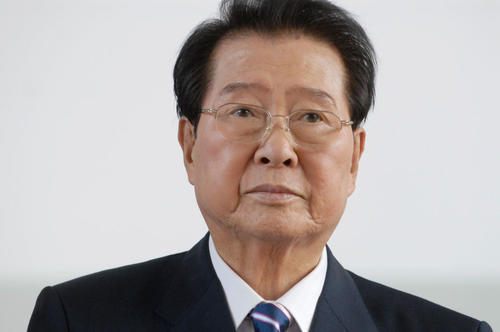
Kim Dae-jung: Architect of South Korea’s Democracy (1998–2003)

radicalthought.org – Kim Dae-jung, who served as the President of South Korea from 1998 to 2003, is widely regarded as one of the nation’s most transformative leaders. Known for his resilience in the face of political adversity, his advocacy for human rights, and his role in promoting inter-Korean dialogue, Kim’s presidency was marked by bold reforms, significant democratization, and efforts to reshape South Korea’s role on the global stage. Kim Dae-jung’s tenure as president, which came after the devastating 1997 Asian Financial Crisis, was pivotal in leading the country toward recovery and modernizing its political and economic institutions. He remains an iconic figure in South Korea’s democratic evolution and a symbol of reconciliation with North Korea.

Early Life and Political Struggles

Born on January 6, 1925, in the town of Haui, South Korea, Kim Dae-jung came from a modest background. His early life was marked by hardships and an intense commitment to education and social justice. After studying in Seoul, Kim became active in politics and quickly rose through the ranks as a member of the opposition to the military regimes that dominated South Korea during the 1960s and 1970s.

Kim’s opposition to the authoritarian rule of Presidents Park Chung-hee and Chun Doo-hwan led to his repeated imprisonment and even a near-execution. He was regarded as a champion of democracy and human rights in South Korea, enduring torture and harassment for his outspoken stance against the military dictatorship. His resistance to authoritarian rule earned him the moniker “the Nelson Mandela of South Korea.”

Kim’s political career was marked by his advocacy for civil rights and social justice, as well as his calls for economic and political reforms. Throughout the 1970s and 1980s, Kim led several failed presidential campaigns, but his persistence kept him at the forefront of South Korea’s opposition. His resilience would later become central to his political success.

The 1997 Asian Financial Crisis and His Path to the Presidency

Kim Dae-jung’s path to the presidency was shaped by the profound political and economic shifts in South Korea in the 1990s. The country’s economic crisis, triggered by the Asian Financial Crisis of 1997, had devastated the South Korean economy and led to widespread public dissatisfaction with the government. The crisis also eroded trust in the ruling conservative party, paving the way for Kim’s candidacy.

In 1997, Kim ran for president as the candidate of the opposition National Congress for New Politics. He positioned himself as a leader who could restore economic stability and rebuild South Korea’s economy, while also bringing about much-needed political reform. Kim’s campaign emphasized his commitment to democratization, his ability to unite the country, and his longstanding dedication to social justice.

In a tense and competitive election, Kim emerged victorious, defeating his rival Lee Hoi-chang. His win marked the culmination of decades of political struggle and the beginning of a new era in South Korean politics. Kim Dae-jung was inaugurated as the 15th President of South Korea on February 25, 1998.

Kim Dae-jung’s Presidency: Democratization and Economic Recovery

Kim Dae-jung’s presidency was characterized by a series of reforms that sought to address the political, economic, and social challenges facing South Korea. His administration focused on revitalizing the country’s economy, improving relations with North Korea, and strengthening South Korea’s democratic institutions.

Economic Reforms and the IMF Bailout

When Kim took office in 1998, South Korea was still reeling from the aftermath of the Asian Financial Crisis. The country’s economy had collapsed, and millions of South Koreans were suffering from unemployment, business closures, and inflation. Kim inherited a fragile economy, but his administration moved quickly to stabilize it.

Kim’s government negotiated a $58 billion bailout package from the International Monetary Fund (IMF), which required the country to implement austerity measures and economic reforms. While the IMF bailout was highly controversial and deeply unpopular, it ultimately proved to be a necessary step in South Korea’s recovery.

Kim Dae-jung also pushed for reforms in the financial sector, including greater transparency, corporate restructuring, and the reduction of the dominance of chaebols (large family-owned conglomerates) in the economy. His administration focused on making the economy more open, competitive, and integrated into the global market.

Although the economic reforms were painful in the short term, South Korea’s economy gradually began to recover. By the time Kim left office in 2003, South Korea had regained its economic strength, and the country was once again a regional economic powerhouse.

The Sunshine Policy: Engagement with North Korea

One of the most defining aspects of Kim Dae-jung’s presidency was his approach to North Korea. Kim believed that dialogue and engagement were the keys to reducing tensions on the Korean Peninsula and fostering peace. This philosophy led to the development of his “Sunshine Policy,” which aimed to engage North Korea through economic assistance, humanitarian aid, and diplomatic outreach.

In 2000, Kim achieved a historic breakthrough in inter-Korean relations when he became the first South Korean president to visit Pyongyang. His summit with North Korean leader Kim Jong-il was a historic moment, symbolizing the first direct engagement between the two Koreas since the Korean War. The summit resulted in the adoption of the “Pyongyang Declaration,” which called for the reduction of tensions, increased cooperation, and a commitment to eventual reunification.

The Sunshine Policy, while controversial and criticized by some who viewed it as too conciliatory, earned Kim Dae-jung the Nobel Peace Prize in 2000. His efforts to foster peace on the Korean Peninsula were recognized as groundbreaking and courageous, even though subsequent developments in inter-Korean relations have been mixed.

Strengthening Democracy and Human Rights

Kim Dae-jung’s presidency also focused on deepening South Korea’s democracy and human rights protections. He worked to ensure that the military would no longer have an outsized role in South Korea’s politics, and his administration helped to institutionalize checks and balances on the executive branch.

Kim’s government also took steps to ensure that South Korea’s political freedoms and civil rights were protected. His administration strengthened the rule of law, increased transparency in government, and promoted greater political pluralism. While South Korea’s democratic institutions were not yet fully developed when Kim took office, his leadership helped ensure the survival and growth of democracy.

Moreover, Kim Dae-jung remained committed to human rights both at home and abroad. He advocated for the rights of workers, marginalized groups, and the protection of civil liberties. Kim was also a vocal critic of human rights abuses in other countries, including North Korea and Burma, where he called for greater international efforts to address these issues.

Legacy and Conclusion: A Visionary Leader in South Korea’s Modernization

Kim Dae-jung’s presidency marked a significant chapter in South Korea’s journey to becoming a modern and democratic nation. His leadership during the post-crisis recovery years helped stabilize the economy and paved the way for future growth, while his Sunshine Policy made a historic attempt at fostering peace with North Korea.

While his tenure was not without challenges, and the success of his policies in North Korea remains uncertain, Kim’s commitment to democracy, human rights, and inter-Korean dialogue left a lasting impact on South Korea. His legacy is that of a visionary leader who helped to navigate South Korea through one of its most difficult periods and laid the groundwork for the future.

Kim Dae-jung’s efforts have shaped South Korea’s democratic development, and his contributions to peace on the Korean Peninsula will be remembered as key moments in the country’s history. His presidency is a testament to resilience, reform, and the enduring pursuit of peace in a region long divided by conflict.
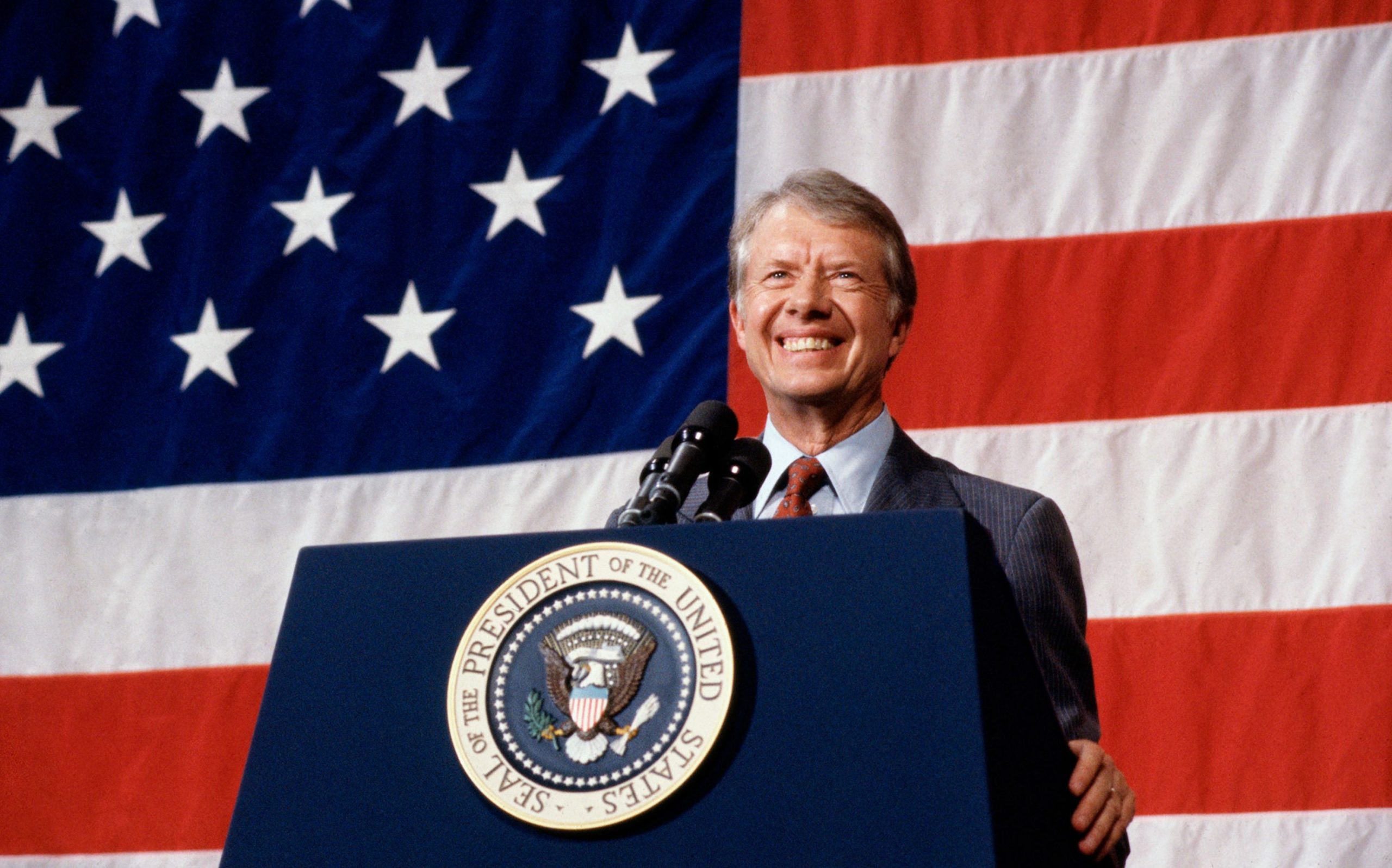
Jimmy Carter: The 39th President of America (1977–1981)

radicalthought.org – James Earl Carter Jr., the 39th President of the United States, served from 1977 to 1981. Carter’s presidency was defined by his strong commitment to human rights, efforts to tackle economic issues, and a focus on peace and diplomacy, both domestically and internationally. Though his tenure saw significant achievements, including the Camp David Accords and energy reforms, his administration struggled with inflation, high unemployment, and the Iranian hostage crisis. Carter’s post-presidential years have been marked by humanitarian work, further solidifying his legacy as a respected global figure.

Early Life and Political Career

Jimmy Carter was born on October 1, 1924, in Plains, Georgia. He grew up in a rural farming community and attended the United States Naval Academy, graduating in 1946. Carter served as a naval officer until 1953, when he returned to Georgia to run the family peanut farm. His experience in both the military and agriculture shaped his pragmatic, problem-solving approach to politics.

Carter’s political career began in the late 1960s when he became involved in local Georgia politics. He served as a state senator and gained national attention for his successful run for governor of Georgia in 1970. As governor, Carter focused on education reform, racial integration, and streamlining government operations. His leadership style, marked by a commitment to transparency and a desire for moral authority, earned him a reputation as a reformer.

Carter’s national recognition grew during his 1976 campaign for the presidency. He capitalized on public disillusionment with Washington politics after the Watergate scandal and positioned himself as an outsider who would bring integrity and ethics back to the White House. Running as a Democrat, Carter defeated incumbent Gerald Ford in a close election, winning 297 electoral votes to Ford’s 240.

The Presidency: 1977–1981

Carter’s presidency began with high hopes and idealism, but he faced immediate challenges on both the domestic and international fronts. His approach to leadership was often seen as earnest and principled, yet his idealism sometimes clashed with the pragmatic realities of governing.

Domestic Policy and the Economy

One of Carter’s most significant challenges was managing the U.S. economy, which was experiencing high inflation, rising energy prices, and increasing unemployment. His administration attempted to address these issues through a variety of policy initiatives, but the results were mixed.

  • Energy Crisis and Conservation: The 1970s saw a global energy crisis driven by oil shortages and soaring fuel prices. In response, Carter made energy policy a top priority, advocating for energy conservation, the development of alternative energy sources, and reducing dependence on foreign oil. In 1977, he established the Department of Energy and implemented a national energy plan that included new energy efficiency standards and tax incentives for renewable energy projects. Though his proposals were not fully realized, Carter’s advocacy for energy conservation helped raise awareness about the importance of energy independence.
  • Economic Challenges: The economy remained a persistent issue throughout Carter’s presidency, with inflation reaching double digits and unemployment rising. Carter attempted to reduce inflation by implementing wage and price controls and advocating for fiscal discipline, but his policies had limited success. The country entered a period of “stagflation,” characterized by stagnant economic growth and high inflation, which caused significant public frustration.
  • Tax Reform and Social Programs: Carter also pursued tax reform and social welfare initiatives. He signed the Revenue Act of 1978, which aimed to provide tax cuts for lower-income families. His administration also expanded federal funding for education, health care, and social programs, with a focus on improving conditions for marginalized communities. However, these efforts were often hindered by the broader economic difficulties of the time.

Foreign Policy and Human Rights

Carter’s foreign policy was strongly shaped by his commitment to human rights and moral diplomacy. He sought to distinguish his presidency from those of his predecessors by promoting democratic values, opposing authoritarian regimes, and supporting international law.

  • The Camp David Accords (1978): One of Carter’s greatest achievements in foreign policy was brokering the Camp David Accords, a peace agreement between Egypt and Israel. In September 1978, Carter hosted Egyptian President Anwar Sadat and Israeli Prime Minister Menachem Begin at Camp David, where the two leaders negotiated a historic peace agreement. The accords led to the normalization of relations between Egypt and Israel, and Egypt became the first Arab country to officially recognize Israel. The agreement was hailed as a major diplomatic victory for Carter and a significant step toward peace in the Middle East.
  • Human Rights and Moral Diplomacy: Carter’s foreign policy emphasized human rights as a central component of U.S. diplomacy. He sought to promote democracy and support governments that upheld basic human rights, a stark contrast to the Cold War realpolitik of previous administrations. This led to a reevaluation of U.S. relations with countries such as Argentina, Chile, and the Soviet Union, where human rights abuses were prevalent. However, his emphasis on human rights sometimes caused friction with traditional allies who had authoritarian governments, and his moral diplomacy was not always effective in preventing global conflicts.
  • The Panama Canal Treaty (1977): Another significant foreign policy achievement was Carter’s negotiation of the Panama Canal Treaty, which called for the gradual transfer of control of the canal from the United States to Panama. The treaty was controversial, particularly among conservatives who felt it represented a loss of U.S. influence in the region, but it was ratified by the Senate and paved the way for a more cooperative relationship between the U.S. and Latin America.

The Iranian Hostage Crisis

Carter’s presidency was severely affected by the Iranian Hostage Crisis, which began in November 1979, when Iranian militants seized the U.S. embassy in Tehran and took 52 Americans hostage. The crisis, which lasted for 444 days, dominated the final year of Carter’s presidency and severely damaged his public image.

  • The Hostage Situation: The Iranian revolution, which led to the overthrow of the Shah of Iran and the rise of the Islamic Republic under Ayatollah Khomeini, created a volatile situation in the Middle East. Carter’s efforts to negotiate the release of the hostages were unsuccessful, and the inability to resolve the crisis contributed to growing dissatisfaction with his leadership. The crisis, coupled with the economic troubles at home, severely hurt Carter’s popularity and made his reelection bid in 1980 more difficult.
  • Failed Rescue Mission: In April 1980, Carter authorized a military mission, Operation Eagle Claw, to rescue the hostages, but the operation ended in failure when a helicopter crash resulted in the deaths of eight U.S. servicemen. The failed rescue attempt was a public relations disaster and further eroded Carter’s standing.

The 1980 Election

As the 1980 presidential election approached, Carter faced growing discontent over his handling of the economy and the Iranian Hostage Crisis. His approval ratings plummeted, and the public seemed to be looking for a change. In the Democratic primary, Carter fended off a challenge from Senator Ted Kennedy, but his general election campaign was overshadowed by the rising popularity of Republican challenger Ronald Reagan.

Reagan, a former actor and governor of California, capitalized on dissatisfaction with Carter’s presidency, particularly his inability to resolve the Iranian Hostage Crisis and address the economic difficulties facing the nation. Reagan’s optimistic vision of America’s future and his calls for a stronger military and a return to traditional values resonated with voters. Carter lost the election by a wide margin, with Reagan securing 489 electoral votes to Carter’s 49.

Legacy

Jimmy Carter’s presidency is often remembered for both its achievements and its challenges. While he faced significant obstacles during his time in office, including a faltering economy and the Iranian Hostage Crisis, his commitment to human rights, peace, and diplomacy left a lasting impact on American foreign policy.

The Camp David Accords and the Panama Canal Treaty are considered some of the most important achievements of Carter’s presidency, as they promoted peace and cooperation in the Middle East and Latin America. However, his inability to resolve the Iranian Hostage Crisis and the economic difficulties of his administration overshadowed his time in office and contributed to his defeat in 1980.

In the years following his presidency, Carter became a prominent global figure, known for his work with the Carter Center in promoting human rights, advancing global health initiatives, and fostering peaceful conflict resolution. His post-presidential humanitarian efforts earned him the Nobel Peace Prize in 2002, cementing his reputation as a compassionate leader and advocate for global justice.

Though his presidency was tumultuous and his political career was brief, Carter’s legacy as a statesman, humanitarian, and peacebuilder continues to influence the world today.