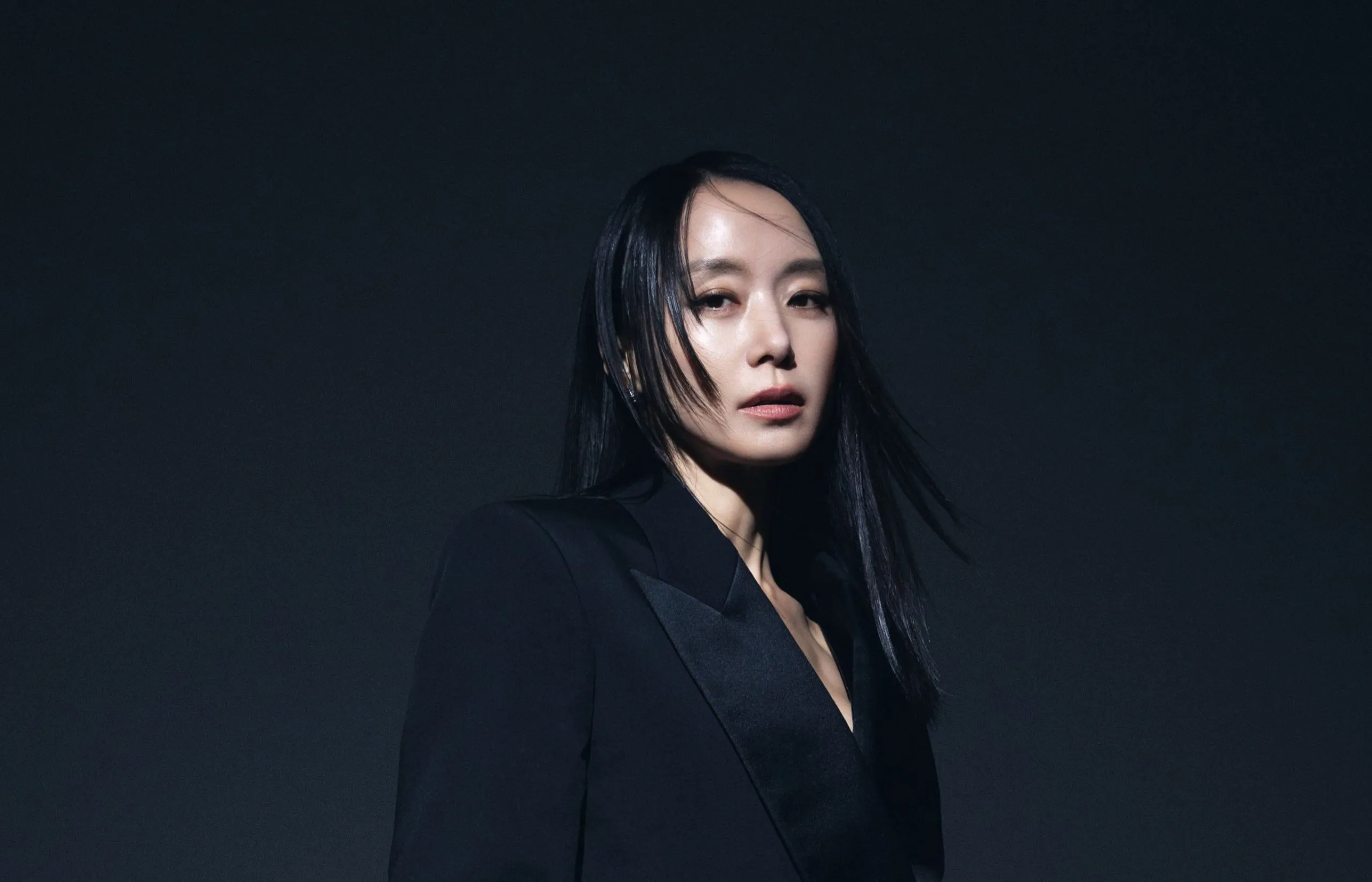
Jeon Do-yeon: A Versatile Actress and Cultural Icon

radicalthought.org – Born on February 11, 1973, in Seoul, South Korea, Jeon Do-yeon has captivated audiences for decades with her stunning beauty and exceptional talent. Her elegant demeanor and versatile acting skills have made her one of the most respected and admired actresses in the Korean entertainment industry.   

A Strong Start

Jeon Do-yeon began her acting career in the early 1990s, quickly gaining recognition for her natural talent and captivating screen presence. Her breakthrough role came in 1997 with the film “The Contact,” which garnered critical acclaim and established her as a promising young actress.   

A Versatile Performer

Jeon Do-yeon is renowned for her versatility as an actress. She has seamlessly transitioned between various genres, from romantic comedies to intense dramas. Her ability to embody complex characters with depth and nuance has earned her numerous awards and accolades.   

A Global Recognition

Jeon Do-yeon’s international breakthrough came with her role in the 2007 film “Secret Sunshine,” which earned her the Best Actress award at the Cannes Film Festival. Her powerful performance in the film garnered critical acclaim and solidified her status as a global star.   

A Philanthropic Heart

Beyond her acting career, Jeon Do-yeon is known for her philanthropic endeavors. She has actively participated in various charitable causes, donating to organizations that support children, the elderly, and those in need. Her commitment to giving back to society has earned her immense respect and admiration.

A Cultural Icon

Jeon Do-yeon is considered a cultural icon in South Korea. Her elegant and sophisticated style has inspired countless fans and continues to set trends. She is often praised for her humility, professionalism, and dedication to her craft.

A Lasting Legacy

Jeon Do-yeon’s enduring popularity and timeless beauty have made her a beloved figure in South Korea. Her contributions to the Korean entertainment industry are immeasurable, and her legacy as a talented actress and compassionate human being will continue to inspire future generations.
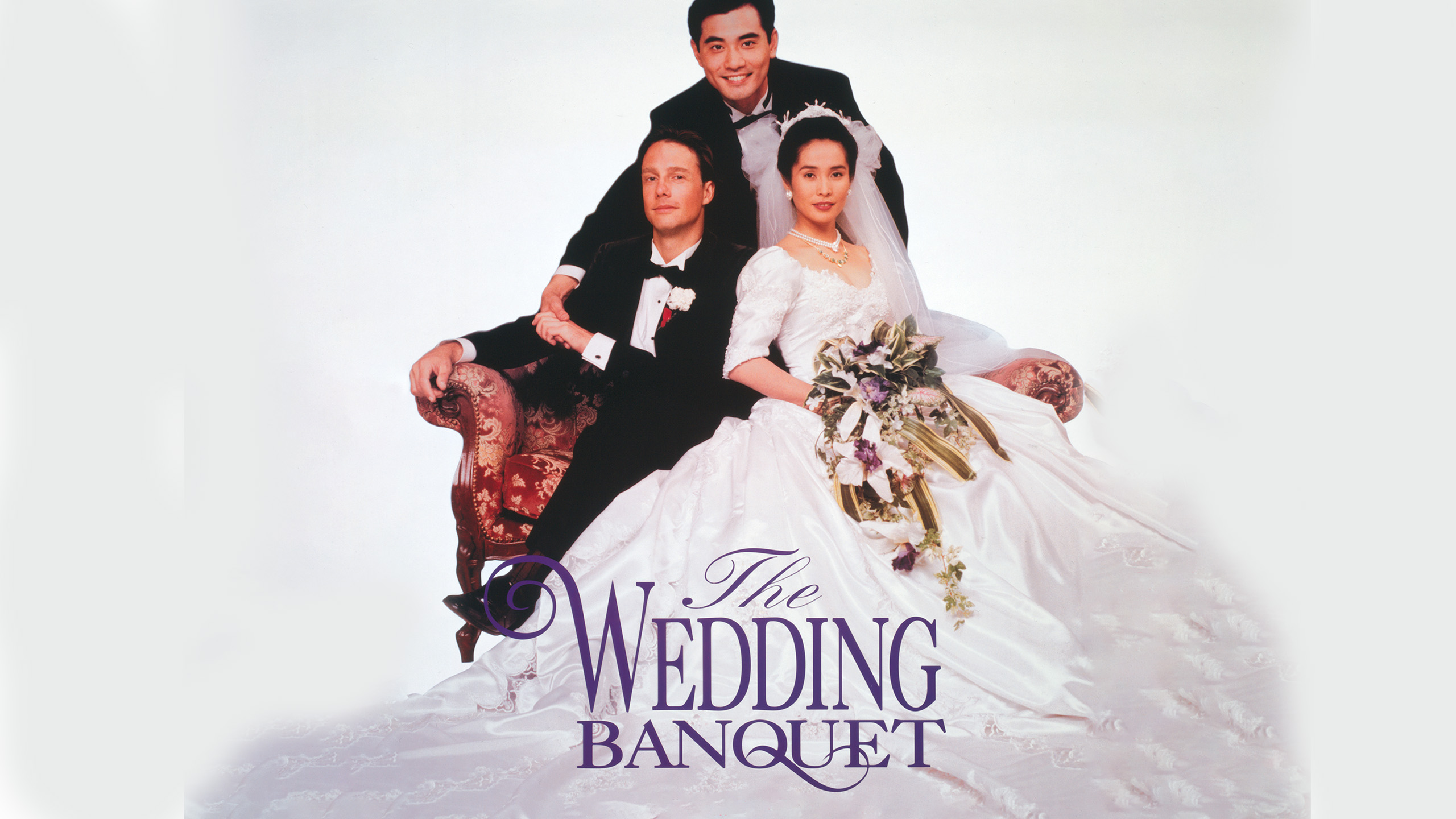
The Wedding Banquet (1993): A Cross-Cultural Comedy of Errors

radicalthought.org – Directed by Ang Lee, “The Wedding Banquet” (1993) is a critically acclaimed comedy-drama that artfully weaves themes of cultural identity, family expectations, and the complexities of love. This film stands as a testament to Ang Lee’s ability to tackle sensitive subjects with humor and grace, making it a pivotal piece in his illustrious career.

Synopsis

The story centers on Wai-Tung Gao, a successful Taiwanese immigrant living in New York City with his American partner, Simon. To appease his traditional parents and quell their constant pressure for him to marry, Wai-Tung agrees to a marriage of convenience with Wei-Wei, a struggling artist in need of a green card. What begins as a simple plan to satisfy familial expectations spirals into chaos when Wai-Tung’s parents decide to visit and insist on a lavish wedding banquet.

Characters and Performances

Winston Chao stars as Wai-Tung, delivering a nuanced performance that balances humor and emotional depth. Mitchell Lichtenstein plays Simon, Wai-Tung’s supportive partner, whose patience and understanding are tested throughout the film. May Chin’s portrayal of Wei-Wei adds layers to her character, offering both comedic relief and poignant moments of vulnerability. The film also features strong performances from Sihung Lung and Ah-Leh Gua as Wai-Tung’s loving but traditional parents, whose presence brings both warmth and tension to the storyline.

Themes and Cultural Significance

“The Wedding Banquet” explores the intersection of personal identity and cultural expectations. It highlights the challenges faced by LGBTQ+ individuals in reconciling their lives with traditional family values. The film also delves into the immigrant experience, illustrating the balancing act between preserving cultural heritage and assimilating into a new society. Through its clever narrative, the film fosters a greater understanding of the complexities involved in cross-cultural relationships.

Cinematography and Style

Ang Lee’s direction is complemented by the film’s vibrant cinematography, which captures the bustling energy of New York City alongside intimate family moments. The wedding banquet scene is a visual and thematic centerpiece, blending humor with emotional resonance as characters navigate the intricacies of maintaining appearances while staying true to themselves.

Conclusion

“The Wedding Banquet” is a delightful and insightful exploration of love, family, and cultural identity. Its universal themes and engaging storytelling have earned it a place as a landmark film in both LGBTQ+ cinema and Asian American narratives. Ang Lee’s masterful direction, combined with strong performances from the cast, makes “The Wedding Banquet” a must-watch for anyone seeking a film that is both entertaining and thought-provoking.