
Anita Ekberg: A Cinematic Exploration of a Hollywood Icon

radicalthought.org – “Becoming Anita Ekberg” is a captivating documentary film directed by Mark Rappaport, offering a fascinating look into the life and career of the iconic Swedish actress, Anita Ekberg. This short film delves into the construction of Ekberg’s public image, exploring how she transformed from a promising young actress to an international sex symbol.   

The Making of a Hollywood Icon

The documentary examines the role of film directors, particularly Frank Tashlin and Federico Fellini, in shaping Ekberg’s persona. Her iconic role as Sylvia in Fellini’s “La Dolce Vita,” where she wades through the Trevi Fountain, solidified her status as a symbol of timeless beauty and sensuality.   

Beyond the Screen

“Becoming Anita Ekberg” not only explores her cinematic legacy but also delves into the personal and professional challenges she faced. It sheds light on the complex relationship between the public image of a celebrity and their private self. The film highlights the impact of societal expectations and the media on shaping a star’s identity.   

A Visual Feast

The documentary is visually stunning, featuring clips from Ekberg’s films, archival footage, and stylish editing. The juxtaposition of historical footage with contemporary analysis creates a captivating viewing experience.

A Lasting Legacy

“Becoming Anita Ekberg” is a tribute to a legendary actress whose influence continues to inspire and captivate audiences. It offers a fresh perspective on her life and career, inviting viewers to reconsider her legacy and the complex interplay between image and reality.

Whether you’re a fan of classic cinema or simply interested in the history of Hollywood, “Becoming Anita Ekberg” is a must-watch. It’s a thought-provoking exploration of the power of film to shape culture and the enduring allure of its stars.
The Impact of “Two Women” (1960): A Cinematic Masterpiece

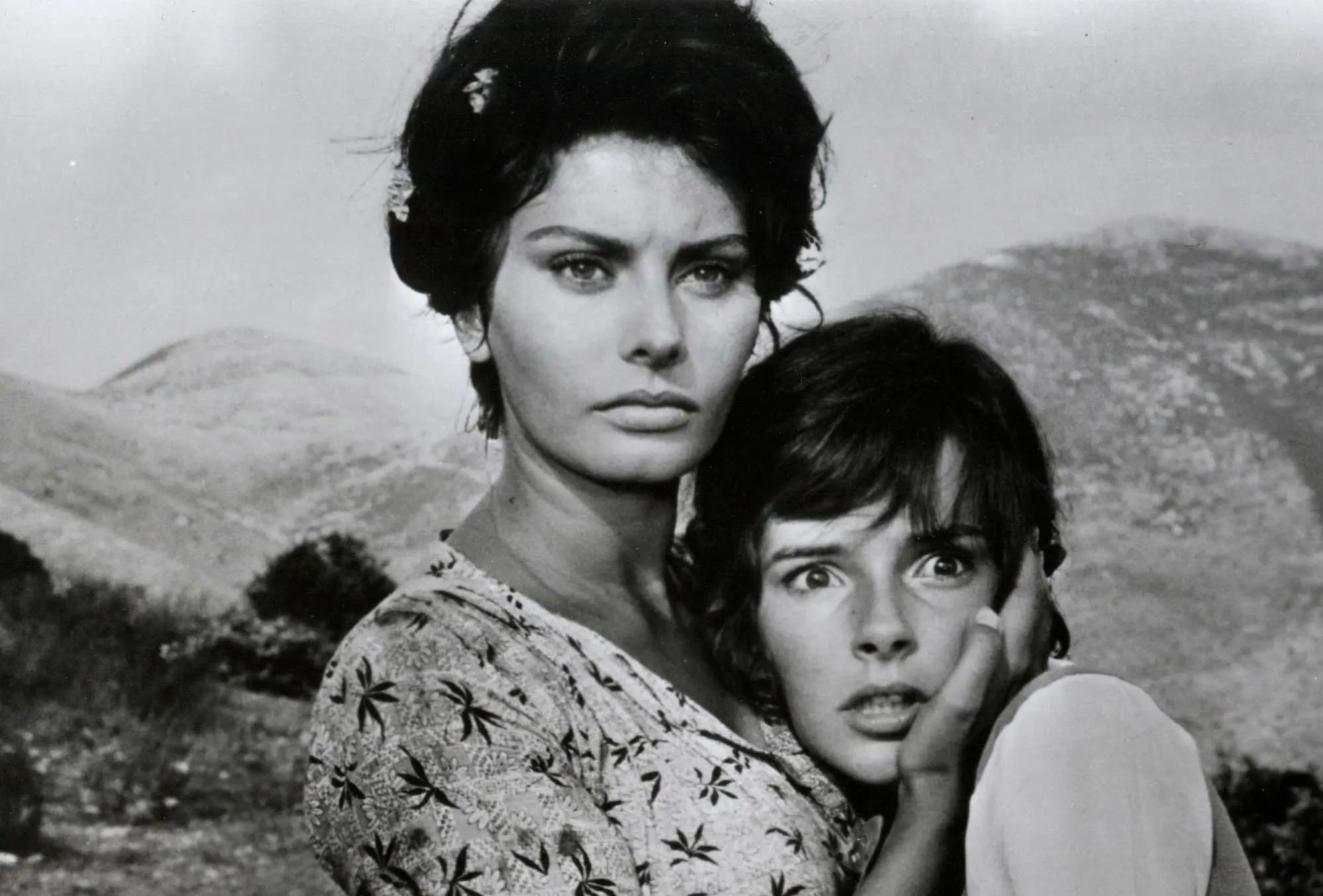
radicalthought.org – “Two Women” (1960), originally titled “La Ciociara,” is a powerful Italian drama directed by Vittorio De Sica. This film is renowned for its poignant storytelling and the remarkable performance by Sophia Loren, which earned her an Academy Award for Best Actress. Set against the backdrop of World War II, “Two Women” delves into themes of survival, resilience, and the enduring bond between a mother and her daughter.

Plot Overview

The narrative unfolds in war-torn Italy, where Cesira, a widowed shopkeeper, and her 13-year-old daughter, Rosetta, flee from Rome to seek refuge in Cesira’s native village in the countryside. The journey is fraught with danger, as they navigate the chaos and devastation brought on by the war. Despite the hardships, Cesira is determined to protect her daughter from the horrors surrounding them.

Themes and Symbolism

“Two Women” explores several profound themes, with the most prominent being the strength of maternal love. Cesira’s unwavering dedication to her daughter’s safety highlights the sacrifices a mother is willing to make. The film also addresses the brutal realities of war, illustrating how it ravages not only landscapes but also human lives and relationships.

The use of the Italian countryside as a setting serves as a symbol of both refuge and peril. While it offers temporary safety away from the bombings in Rome, it is also where the film’s most harrowing event occurs, underscoring the inescapable reach of war.

Sophia Loren’s Acclaimed Performance

Sophia Loren’s portrayal of Cesira is widely celebrated for its depth and authenticity. Her ability to convey a spectrum of emotions—ranging from fierce protectiveness to vulnerable despair—captures the audience’s empathy and admiration. Loren’s performance was groundbreaking, as she became the first actress to win an Oscar for a foreign-language role, a testament to her talent and the film’s universal appeal.

Cinematic Techniques

Vittorio De Sica’s direction is integral to the film’s emotional impact. His use of neorealism—a style characterized by on-location shooting and a focus on everyday life—adds authenticity and rawness to the story. The cinematography effectively captures the stark contrast between the beauty of the Italian landscape and the brutality of war, enhancing the film’s emotional resonance.

Legacy and Influence

“Two Women” remains a significant work in cinema history, both for its artistic achievements and its portrayal of women’s experiences during wartime. The film’s exploration of human resilience and the bond between mother and daughter continues to resonate with audiences today. Its influence is evident in subsequent films that tackle similar themes with sensitivity and depth.

Conclusion

“Two Women” is a timeless classic that offers a compelling narrative enriched by outstanding performances and masterful direction. It stands as a tribute to the enduring spirit of women in the face of adversity and a reminder of the devastating impacts of war on individuals and families. Sophia Loren’s portrayal of Cesira remains a landmark performance that continues to inspire actors and filmmakers worldwide.

Analyzing “The Commissar” (1967): A Cinematic Masterpiece

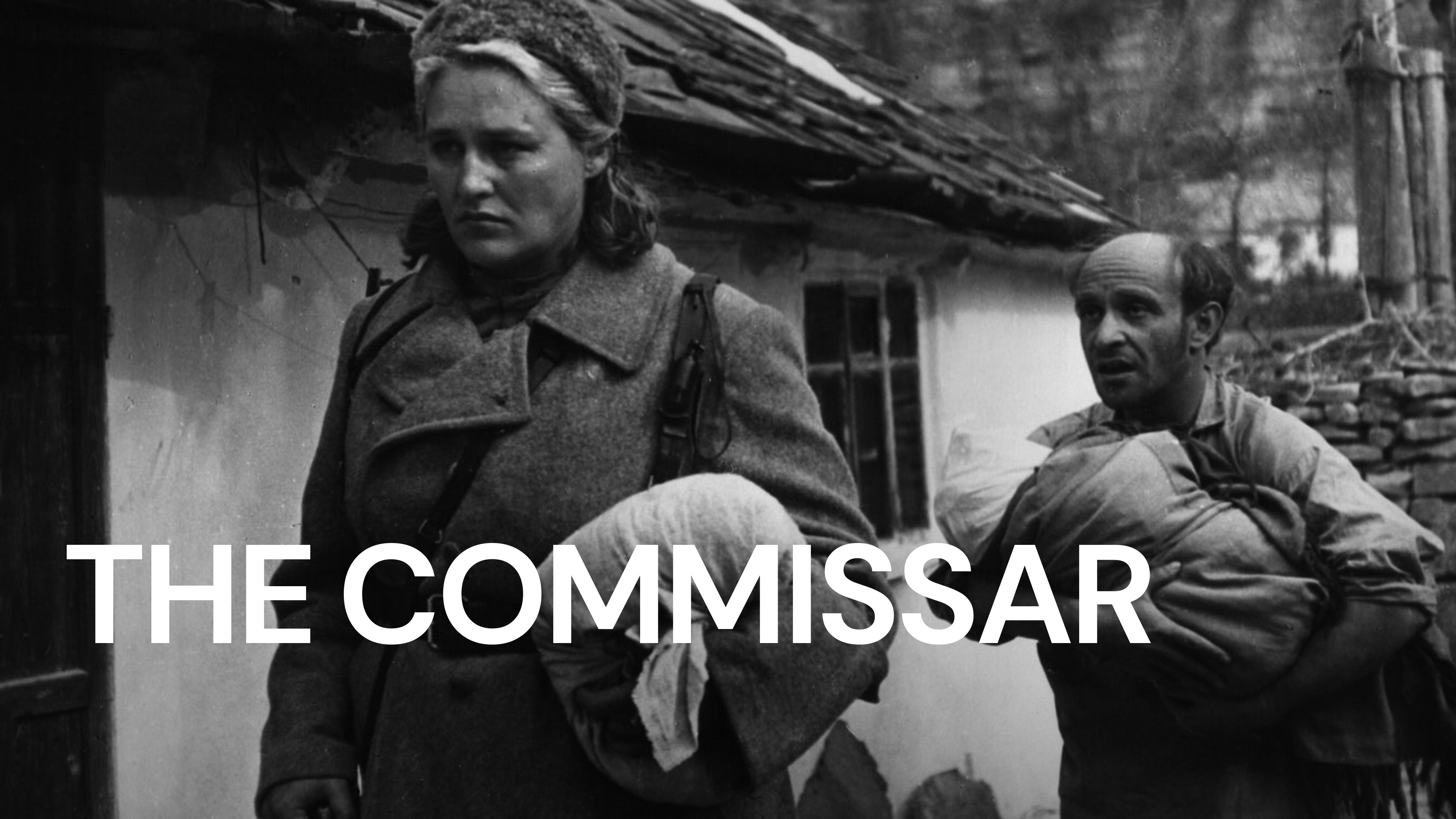
radicalthought.org – “The Commissar” is a Soviet film directed by Aleksandr Askoldov, completed in 1967 but not released until 1988 due to political censorship. Based on a short story by Vasily Grossman, the film explores themes of war, motherhood, and human resilience against the backdrop of the Russian Civil War. This article delves into the film’s narrative, its significance in Soviet cinema, and the reasons behind its delayed release.

Plot Overview

Setting and Characters

Set during the tumultuous Russian Civil War, “The Commissar” tells the story of Klavdia Vavilova, a stern and dedicated Red Army commissar. As the war rages on, Vavilova finds herself unexpectedly pregnant and is forced to take refuge with a Jewish family in a small Ukrainian town. This situation leads her to confront her beliefs and identity as she navigates the complexities of motherhood and duty.

Themes and Symbolism

The film is rich in themes, juxtaposing the harsh realities of war with the intimate struggles of personal transformation. Vavilova’s character arc highlights the conflict between duty and personal life, emphasizing the universal experiences of love and sacrifice. The Jewish family’s presence introduces themes of cultural identity and resilience in the face of adversity, serving as a microcosm of the broader historical context.

Production and Censorship

Cinematic Techniques

Askoldov’s direction is notable for its use of stark imagery and poignant symbolism, creating a powerful narrative that transcends its historical setting. The film employs a blend of realism and poetic visuals, capturing the stark contrasts between the brutality of war and the tenderness of human connections.

Political Context and Censorship

“The Commissar” faced significant political challenges due to its portrayal of sensitive themes, including the depiction of Jewish life and the questioning of Soviet ideals. The film was banned by Soviet authorities, deemed controversial for its perceived criticism of the Soviet regime and its empathetic portrayal of Jewish characters during a time of state-sponsored anti-Semitism.

Impact and Legacy

Despite being shelved for over two decades, “The Commissar” gained critical acclaim upon its eventual release in 1988. It was celebrated for its artistic merit and poignant storytelling, earning accolades at international film festivals. The film’s delayed release allowed it to contribute to the broader discourse on censorship and artistic freedom in Soviet cinema.

Conclusion

“The Commissar” stands as a testament to the enduring power of cinema to challenge societal norms and provoke thoughtful reflection. Its exploration of universal themes, combined with its historical significance, makes it a vital piece of film history. The film’s eventual release and recognition underscore the importance of preserving artistic integrity in the face of political adversity.