Rice: A Global Staple Food – A Versatile Grain

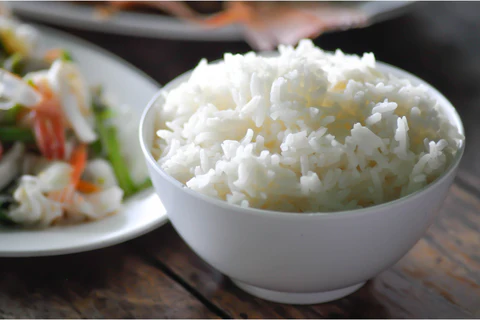
radicalthought.org – Rice, a staple food for billions of people worldwide, is a versatile grain with a rich history. Its cultivation dates back thousands of years to ancient civilizations in Asia. Today, rice is a cornerstone of many cultures, especially in East Asia, Southeast Asia, South Asia, and parts of Africa and Latin America.

Types of Rice

There are numerous varieties of rice, each with its unique characteristics and culinary uses. Some of the most common types include:

  • Long-Grain Rice: This type of rice has long, slender grains that separate easily when cooked. It is commonly used in pilafs, stir-fries, and sushi.
  • Medium-Grain Rice: This rice has shorter, wider grains than long-grain rice. It is often used in casseroles, puddings, and other dishes.
  • Short-Grain Rice: This type of rice has short, round grains that become sticky when cooked. It is ideal for sushi, rice cakes, and other sticky rice dishes.
  • Wild Rice: This is not true rice but rather the seed of an aquatic grass. It has a nutty flavor and is often used in soups, salads, and as a side dish.

The Cultivation of Rice

Rice cultivation is a complex process that requires specific environmental conditions, including abundant water and warm temperatures. Rice is typically grown in flooded fields, where the plants are submerged in water for most of their growth cycle.

The Nutritional Value of Rice

Rice is a good source of carbohydrates, which provide energy. It also contains essential vitamins and minerals, such as thiamine, niacin, and iron. Brown rice, a whole-grain variety, is particularly nutritious as it retains the bran and germ, which are rich in fiber and other nutrients.

Rice in Global Cuisine

Rice is a key ingredient in countless cuisines around the world. In Asian cuisine, rice is often served with various dishes, such as stir-fries, curries, and soups. In Latin America, rice is a staple food and is often cooked with beans, vegetables, and meat. In the Middle East, rice is used in pilafs and other dishes, often flavored with spices like saffron and cardamom.

The Future of Rice

As the global population continues to grow, the demand for rice is expected to increase. Scientists and farmers are working to develop new rice varieties that are more resilient to climate change, pests, and diseases. Additionally, there is a growing interest in sustainable rice cultivation practices to minimize environmental impact and ensure food security for future generations.
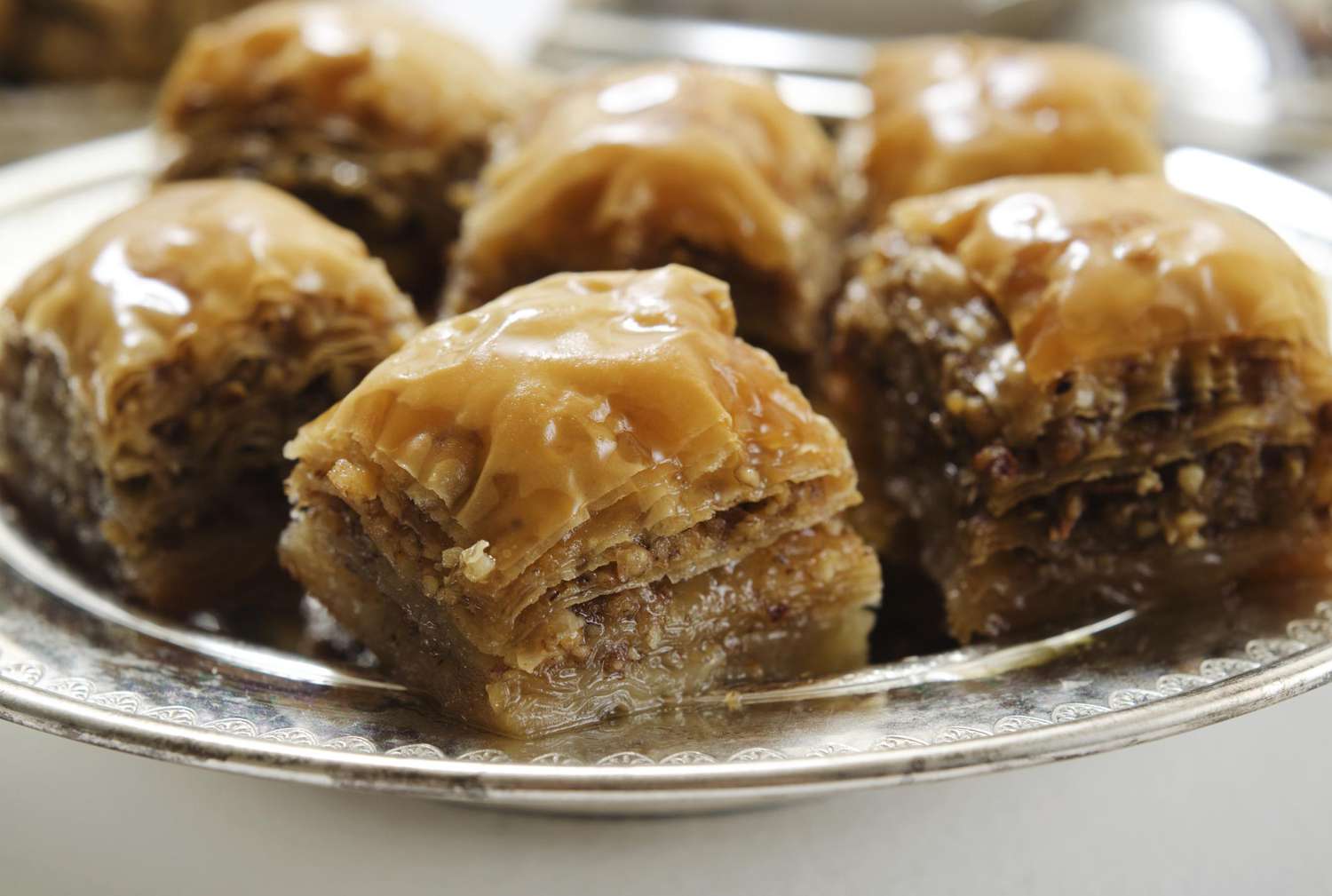

Baklava: A Sweet Symphony of Layers – A Taste of History

radicalthought.org – Baklava, a decadent and irresistible dessert, is a beloved treat in many cultures, particularly in the Middle East and the Balkans. This rich and flavorful pastry is made with layers of delicate filo dough, filled with chopped nuts, and drenched in a sweet syrup. The result is a heavenly dessert that is both crispy and chewy.

A Taste of History

The origins of baklava can be traced back to the Ottoman Empire, where it was first enjoyed by the royal court. Over time, the recipe spread throughout the region, and different cultures added their own unique twists. Today, baklava is enjoyed in many countries, and it’s often served during special occasions, such as weddings, festivals, and religious holidays.

A Delicate Art

The preparation of baklava is a delicate and time-consuming process. The filo dough, which is paper-thin and incredibly fragile, is layered meticulously, with each layer brushed with melted butter. The filling, typically made with chopped nuts like pistachios, walnuts, or almonds, is spread over the dough. Once the layers are assembled, the baklava is baked until golden brown.

A Sweet Symphony

After baking, the baklava is drenched in a sweet syrup, which is often flavored with honey, sugar, and rose water. The syrup seeps into the layers of pastry, creating a moist and flavorful dessert. The combination of the crispy pastry, the nutty filling, and the sweet syrup is a truly irresistible experience.

A Global Delight

Baklava has become a global phenomenon, and it’s now enjoyed by people of all cultures. It’s often served with a cup of Turkish coffee or tea, and it’s a popular dessert in many restaurants and bakeries around the world. Whether you’re a fan of sweet treats or simply looking for a delicious indulgence, baklava is sure to satisfy your cravings.

Crème Brûlée: A Classic French Dessert – Sweet and Crunchy

radicalthought.org – Crème Brûlée, a classic French dessert, is a delightful combination of creamy custard topped with a layer of caramelized sugar. This elegant dessert is a perfect balance of sweet and crunchy, rich and delicate.

A Timeless Treat

While the exact origins of Crème Brûlée are unknown, it is believed to have emerged in 17th-century France. The name “crème brûlée” translates to “burnt cream,” referring to the caramelized sugar crust. Over the centuries, this dessert has become a beloved classic, enjoyed by people around the world.

The Art of Crème Brûlée

The key to a perfect Crème Brûlée lies in the delicate balance of flavors and textures. The custard base is typically made with cream, egg yolks, sugar, and vanilla. The custard is baked in a water bath until it is set but still slightly jiggly. Once cooled, a layer of sugar is sprinkled over the top and caramelized with a kitchen torch.

A Culinary Masterpiece

The caramelized sugar crust provides a satisfying crunch, while the creamy custard offers a rich and indulgent experience. The contrast between the crisp, sweet crust and the smooth, velvety custard is a true delight.

A Modern Twist

While the classic Crème Brûlée recipe is beloved by many, modern chefs have put their own unique spin on this iconic dessert. Some have experimented with different flavors, such as chocolate or fruit, while others have incorporated exotic ingredients, like saffron or cardamom. However, the core elements of the dish – the creamy custard and the caramelized sugar crust – remain unchanged.

A Timeless Dessert

Crème Brûlée is a timeless dessert that continues to captivate taste buds. Its elegant presentation and exquisite flavor make it a perfect ending to any meal. Whether you’re a seasoned home cook or a novice baker, Crème Brûlée is a dish that is well worth the effort.

The Acai Berry: A Tropical Superfood – Health Benefits

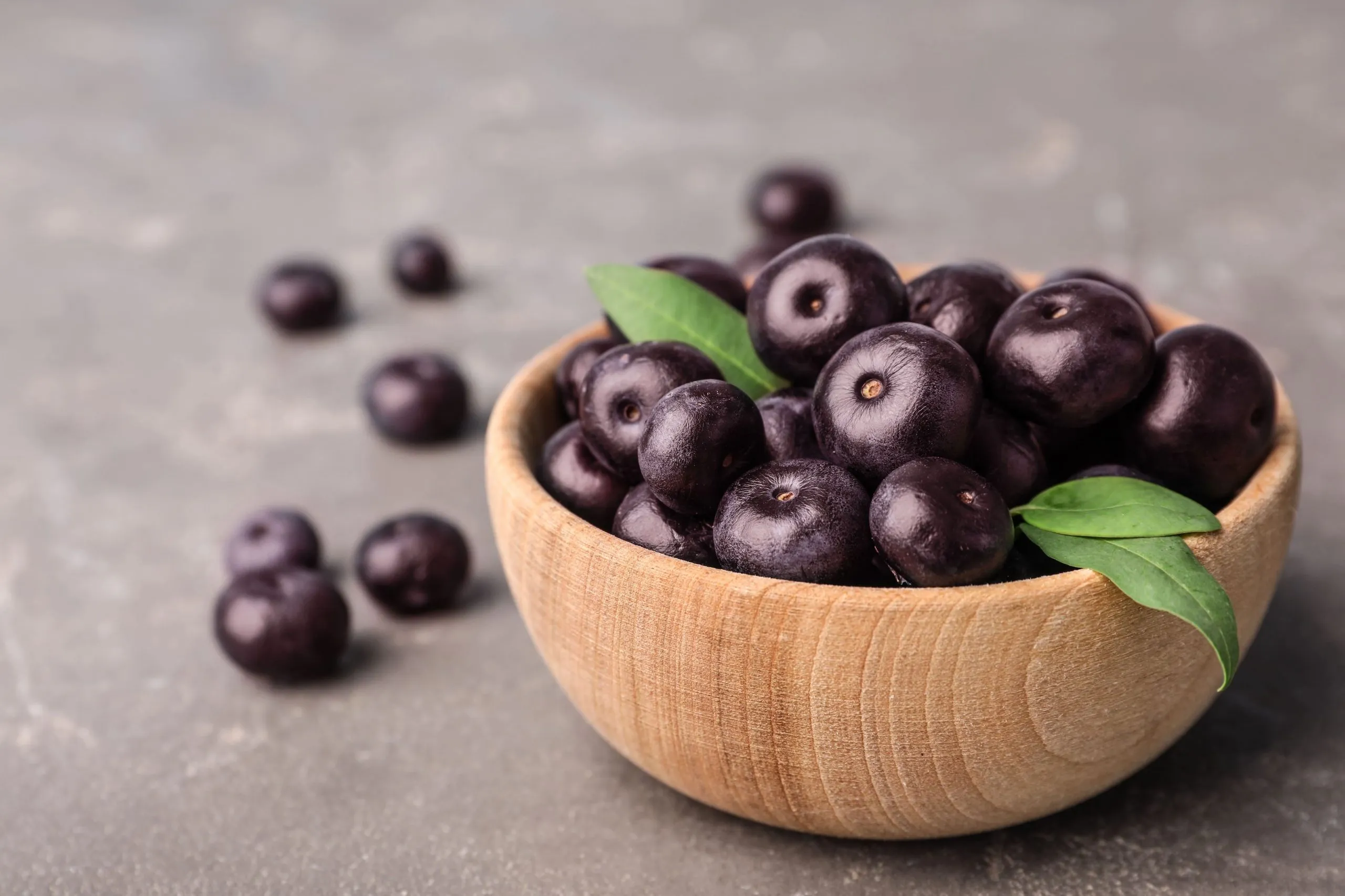
radicalthought.org – The acai berry, a small, dark purple fruit native to Central and South America, has gained significant popularity in recent years due to its impressive nutritional profile and potential health benefits. Often referred to as a “superfood,” the acai berry has been consumed by indigenous people for centuries.

A Nutritional Powerhouse

Acai berries are packed with essential vitamins, minerals, and antioxidants. Some of the key nutrients found in acai berries include:

  • Antioxidants: Powerful compounds that protect cells from damage caused by free radicals.
  • Fiber: Essential for digestive health and maintaining satiety.
  • Healthy Fats: Beneficial fats that can help lower cholesterol levels.
  • Vitamins and Minerals: Including vitamin C, vitamin E, potassium, calcium, and magnesium.

Health Benefits of Acai Berries

The impressive nutritional profile of acai berries offers a wide range of potential health benefits:

  1. Boosts Antioxidant Levels: Acai berries are rich in antioxidants, which can help protect the body from oxidative stress and reduce the risk of chronic diseases.
  2. Promotes Heart Health: The antioxidants and healthy fats in acai berries can help lower cholesterol levels and reduce the risk of heart disease.
  3. Aids in Digestion: The fiber content of acai berries aids digestion, preventing constipation and promoting regular bowel movements.
  4. Supports Skin Health: The antioxidants in acai berries can help protect the skin from damage caused by free radicals, promoting a youthful and radiant complexion.
  5. Boosts Energy Levels: The combination of carbohydrates, protein, and healthy fats in acai berries can provide sustained energy throughout the day.

How to Enjoy Acai Berries

Acai berries are typically consumed in the form of pulp or powder. Here are some popular ways to enjoy acai berries:

  • Acai Bowls: A popular breakfast or snack, acai bowls are made by blending acai pulp with fruit, nuts, and other toppings.
  • Smoothies: Acai berries can be added to smoothies for a boost of antioxidants and nutrients.
  • Juice: Acai berry juice is a refreshing and healthy beverage.
  • Supplements: Acai berry supplements are available in capsule and powder form.

Conclusion

The acai berry, with its vibrant color, unique flavor, and impressive nutritional profile, is a truly superfood. Whether you enjoy them in smoothies, bowls, or supplements, acai berries are a delicious and healthy addition to any diet.

Farofa: The Flavorful Brazilian Side Dish You Need to Try

radicalthought.org – Farofa is a quintessential Brazilian side dish known for its distinctive flavor and crunchy texture. Made primarily from toasted cassava flour, Farofa is a versatile accompaniment that enhances the taste of various meals across Brazil. Let’s explore the history, preparation, and culinary significance of this delightful dish.

A Staple with Deep Roots

Farofa has been a staple in Brazilian cuisine for centuries, with its roots tracing back to indigenous communities who have long utilized cassava as a fundamental ingredient. Cassava, also known as manioc or yuca, is a starchy root vegetable that thrives in tropical climates. Over time, the art of toasting cassava flour was perfected, giving birth to Farofa as we know it today.

The Ingredients and Preparation

The beauty of Farofa lies in its simplicity and adaptability. While the base ingredient is cassava flour, there are numerous variations that incorporate additional ingredients to create unique flavors. Some common ingredients used in Farofa include:

  • Butter or Oil: Used to toast the cassava flour, giving it a rich, nutty flavor.
  • Onions and Garlic: These aromatics add depth and a savory element to the dish.
  • Bacon or Sausage: For those who enjoy a meaty flavor, adding crispy bacon or sausage can elevate Farofa to new heights.
  • Herbs and Spices: Ingredients like parsley, cilantro, and chili peppers can be mixed in for added flavor.
  • Eggs, Nuts, or Vegetables: These can be added for texture and nutritional value.

To prepare Farofa, the cassava flour is toasted in a pan with butter or oil until it turns golden brown. The other ingredients are then added and cooked together, creating a fragrant and flavorful side dish.

How to Enjoy Farofa

Farofa is incredibly versatile and can be paired with a wide variety of dishes. Here are some popular ways to enjoy it:

  • Barbecue: Farofa is a classic accompaniment to Brazilian barbecue (churrasco), where its crunchy texture complements the grilled meats perfectly.
  • Feijoada: This traditional Brazilian black bean stew is often served with a side of Farofa, rice, and orange slices.
  • Rice and Beans: Farofa can be sprinkled over rice and beans to add a delightful crunch and enhance the overall flavor.
  • Vegetarian Meals: It can also be enjoyed with roasted vegetables or salads for a vegetarian-friendly option.

A Culinary Icon

Farofa’s popularity extends beyond Brazil, as its unique taste and texture have captured the interest of food enthusiasts worldwide. Its gluten-free nature adds to its appeal, making it a suitable choice for those with dietary restrictions.

In conclusion, Farofa is more than just a side dish; it is a symbol of Brazilian culinary heritage that brings flavor and texture to every meal it accompanies. Whether you’re enjoying it with a traditional Brazilian feast or experimenting with your own culinary creations, Farofa is sure to add a touch of Brazilian flair to your dining experience.

Bread of the Pharaohs: Ancient Egyptian Flatbreads

radicalthought.org – The Aztec civilization, flourishing in central Mexico from the 14th to the 16th centuries, was known for its rich culture and advanced society. At the heart of the Aztec diet were two staple foods: corn and cocoa. These ingredients were not only vital for sustenance but also held cultural and religious significance. This article explores the role of corn and cocoa in the Aztec diet, their cultivation, and their impact on Aztec society.

Corn: The Foundation of the Aztec Diet

Corn, or maize, was the cornerstone of the Aztec diet. It was so essential that it was considered a gift from the gods, with the god Centeotl revered as the deity of maize. Corn was cultivated extensively throughout the Aztec empire, utilizing advanced agricultural techniques such as chinampas, or floating gardens, to maximize yield.

Culinary Uses

Corn was incredibly versatile and formed the basis of many Aztec dishes. It was ground into masa (dough) to make tortillas, tamales, and other staples. The Aztecs also consumed corn as atole, a warm, thick beverage made from cornmeal, and in pozole, a hearty stew.

Nutritional Significance

Corn provided a vital source of carbohydrates and was often combined with beans and squash to form a complete protein source. This combination was critical for sustaining the dense populations of Aztec cities.

Cocoa: The Drink of the Gods

Cocoa, derived from cacao beans, was another crucial element of the Aztec diet. The Aztecs believed that cocoa was a divine gift from Quetzalcoatl, the feathered serpent god. Unlike today, cocoa was primarily consumed as a beverage rather than in solid form.

Preparation and Consumption

Cocoa was prepared by grinding roasted cacao beans into a paste and mixing it with water, chili peppers, and spices to create a frothy, bitter drink called xocolatl. This beverage was often flavored with vanilla and honey to enhance its taste.

Cultural and Economic Importance

Cocoa held significant cultural and economic value for the Aztecs. It was consumed during religious ceremonies and was believed to have mystical and energizing properties. Cocoa beans also served as a form of currency, used to trade for goods and services throughout the empire.

Impact on Aztec Society

The cultivation and consumption of corn and cocoa were integral to the Aztec way of life. Corn provided the necessary sustenance to support large urban populations, while cocoa had a profound cultural and economic impact. Together, these foods contributed to the Aztecs’ ability to build a powerful and sophisticated civilization.

Conclusion

Corn and cocoa were more than just dietary staples for the Aztecs; they were central to their cultural identity and societal structure. The enduring legacy of these ingredients is evident in modern Mexican cuisine and culture, highlighting the lasting influence of the Aztec diet.

Fueling the On-the-Go Lifestyle: The Rise of Energy Bar

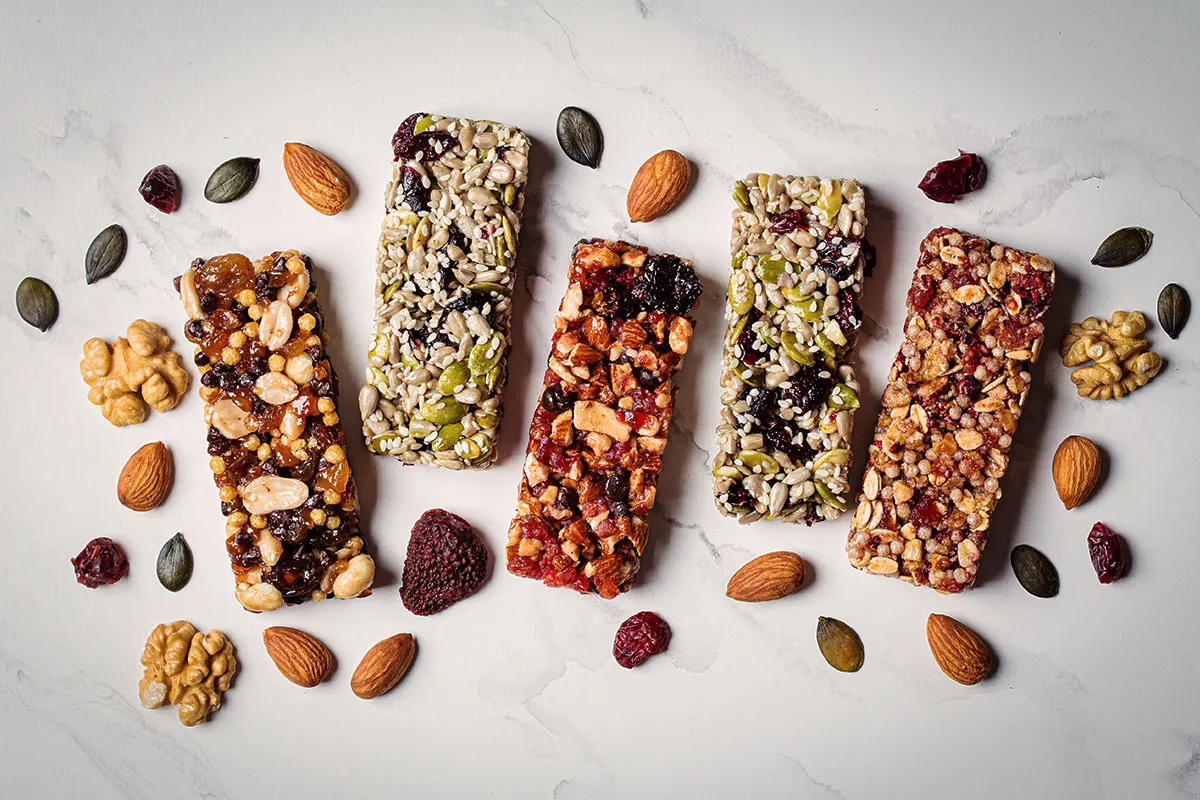
radicalthought.org – In the fast-paced world of today, where time is a luxury and convenience is king, the demand for quick, efficient, and nutritious food options has skyrocketed. Among the myriad of products catering to this need, energy bars have emerged as a staple for those leading an on-the-go lifestyle. These compact, nutrient-dense snacks have become synonymous with fueling bodies and minds for the challenges of daily life, from the boardroom to the hiking trail. This article delves into the rise of energy bars, exploring their appeal, evolution, and the impact they have on modern lifestyles.

The Appeal of Energy Bars

Energy bars are designed to provide a concentrated source of energy, often derived from a mix of carbohydrates, proteins, and fats. They are enriched with vitamins and minerals, making them a convenient option for individuals seeking a quick nutritional boost. The appeal of energy bars lies in their portability, ease of consumption, and the variety of flavors and nutritional profiles available, catering to a wide range of dietary needs and preferences.

Evolution of the Energy Bar

The concept of the energy bar dates back to the late 1970s and early 1980s, with the introduction of the PowerBar by Brian Maxwell, a product initially aimed at endurance athletes. Since then, the market has exploded with a plethora of options, reflecting the diverse needs of consumers. Today, energy bars are tailored for specific activities, dietary restrictions, and health goals, including options for weight loss, muscle gain, and recovery.

The evolution of energy bars also mirrors advancements in food technology and nutrition science. Manufacturers are increasingly focused on creating bars with cleaner ingredients, less added sugars, and more whole foods. This shift aligns with growing consumer awareness and demand for healthier, more sustainable food options.

Fueling the On-the-Go Lifestyle

The rise of energy bars is inextricably linked to the on-the-go lifestyle that defines modern society. With busy schedules and the constant juggling of work, family, and personal time, the need for convenient, nutritious food options has never been greater. Energy bars offer a practical solution, providing a quick source of energy and nutrients that can be consumed anywhere, from the office to the gym to the great outdoors.

Moreover, the versatility of energy bars makes them an ideal choice for a variety of scenarios. They are a staple for athletes and fitness enthusiasts, providing pre- and post-workout nutrition. For travelers, they offer a convenient way to maintain energy levels during long journeys. And for those simply looking for a healthy snack option, energy bars provide a satisfying alternative to less nutritious choices.

The Impact on Modern Lifestyles

The widespread adoption of energy bars reflects broader shifts in how we think about food and nutrition. As consumers become more health-conscious, the demand for functional foods that offer specific health benefits continues to grow. Energy bars, with their promise of quick, convenient nutrition, are at the forefront of this trend.

However, the rise of energy bars also raises questions about the long-term impact of such convenience foods on dietary habits and overall health. While they offer a practical solution for busy lifestyles, there is a risk that reliance on energy bars could lead to an overemphasis on processed foods at the expense of whole, natural foods.

Conclusion

The rise of energy bars is a testament to their role in fueling the on-the-go lifestyle of today. By offering a convenient, nutritious snack option, energy bars have become an indispensable part of modern life, catering to the diverse needs of consumers. As we continue to navigate the challenges of a fast-paced world, the evolution of energy bars will undoubtedly continue, reflecting the changing demands and values of society. Whether as a source of quick energy, a meal replacement, or a healthy snack, energy bars are here to stay, shaping the way we eat and live in the 21st century.

The Health Benefits of Incorporating Fruits into Your Diet

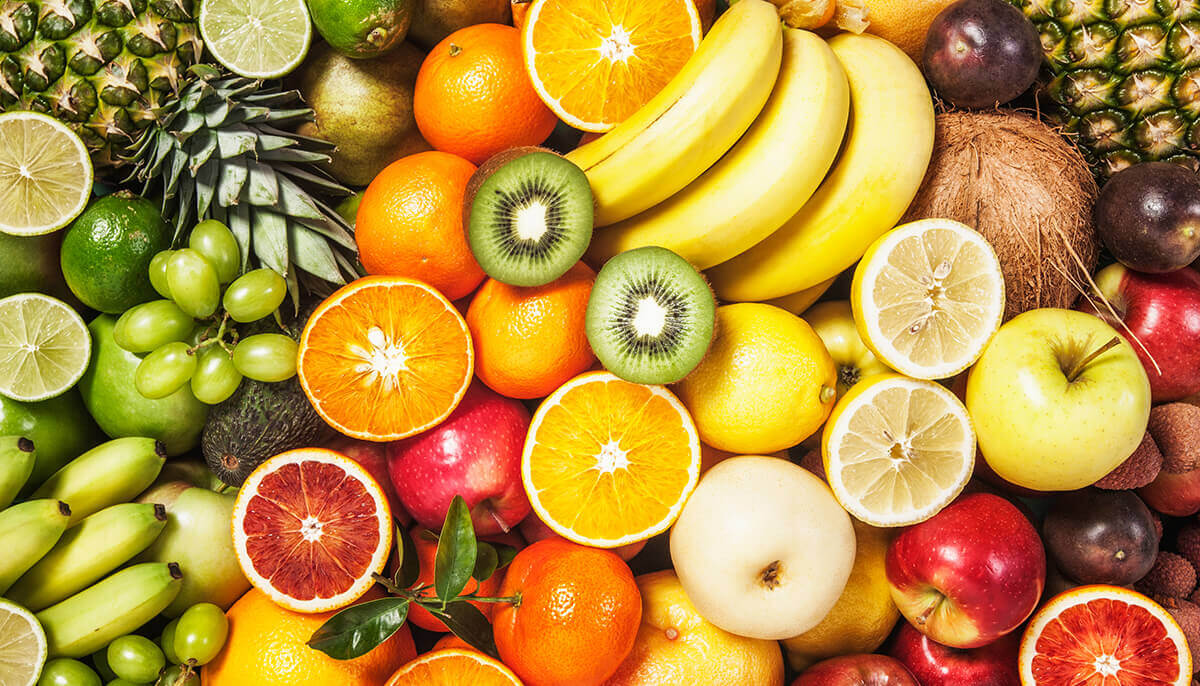
Fruits are nature’s sweet treats, packed with essential nutrients that offer a myriad of health benefits. Incorporating a variety of fruits into your diet can significantly enhance your overall well-being, providing a rich source of vitamins, minerals, fiber, and antioxidants. This article delves into the nutritional value of fruits and explores the diverse health benefits they offer.

Nutritional Powerhouses

Fruits are celebrated for their nutritional density. They are low in calories but high in essential nutrients. For instance, citrus fruits like oranges and lemons are excellent sources of vitamin C, which is crucial for immune function and skin health. Berries, such as blueberries and strawberries, are rich in antioxidants like vitamin C and vitamin E, which help combat oxidative stress and reduce the risk of chronic diseases.

Fiber for Digestive Health

One of the most significant benefits of incorporating fruits into your diet is their high fiber content. Fiber is essential for maintaining a healthy digestive system, preventing constipation, and promoting regular bowel movements. Apples, pears, and bananas are particularly good sources of fiber. Moreover, the soluble fiber found in fruits can help lower cholesterol levels, reducing the risk of heart disease.

Heart Health

The combination of fiber, antioxidants, and phytochemicals in fruits makes them heart-healthy foods. The potassium in bananas, apricots, and kiwis helps regulate blood pressure, while the antioxidants in berries and cherries can reduce inflammation and improve blood vessel function. Regular consumption of fruits has been linked to a lower risk of heart disease and stroke.

Weight Management

Fruits can be an ally in weight management due to their low calorie and high fiber content. They provide a feeling of fullness, reducing the urge to snack on high-calorie, low-nutrient foods. Additionally, replacing sugary snacks with fruits can help reduce overall calorie intake, aiding in weight loss or maintenance.

Disease Prevention

The antioxidants and phytochemicals in fruits play a crucial role in disease prevention. These compounds can neutralize harmful free radicals, reducing oxidative stress and inflammation, which are linked to chronic diseases such as cancer, diabetes, and Alzheimer’s disease. The beta-carotene in mangoes and apricots, the lycopene in tomatoes, and the anthocyanins in blueberries are just a few examples of the protective compounds found in fruits.

Mental Health

Recent studies have shown a link between fruit consumption and improved mental health. The nutrients in fruits, particularly folate and vitamin B6, can help regulate mood and reduce the risk of depression. Additionally, the natural sugars in fruits can provide a quick energy boost, enhancing mood and cognitive function.

How to Incorporate More Fruits into Your Diet

Incorporating fruits into your diet is simple and delicious. Start your day with a bowl of mixed berries or a sliced banana on your cereal. Snack on an apple or a handful of grapes. Add citrus slices to your water for a refreshing flavor boost. Include a variety of fruits in your salads, smoothies, and desserts. Aim for at least five servings of fruits and vegetables per day to reap the maximum health benefits.

In conclusion, the health benefits of incorporating fruits into your diet are vast and varied. From supporting heart health and digestive function to aiding in disease prevention and weight management, fruits are a vital component of a balanced diet. By making fruits a regular part of your meals and snacks, you can enjoy their delicious flavors while enhancing your overall health and well-being.