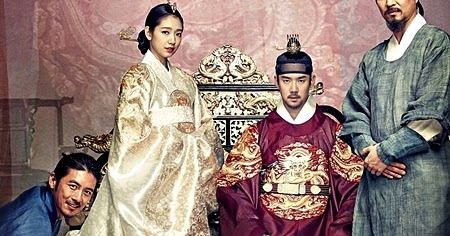
radicalthought.org – “The Royal Tailor” (Korean: 상의원; Sanguiwon), released in 2014, is a South Korean historical drama film directed by Lee Won-suk. Set during the Joseon Dynasty, the film explores the world of royal attire and the rivalry between two talented tailors working at the Sanguiwon, the royal atelier responsible for creating the king’s garments. “The Royal Tailor” weaves a tale of ambition, jealousy, love, and the power of fashion within the strict confines of the royal court.
The Sanguiwon: The Heart of Royal Fashion
The Sanguiwon, the royal atelier, serves as the central setting of the film. This real historical institution was responsible for crafting the elaborate garments worn by the king and the royal family. The film offers a glimpse into the intricate processes involved in creating these garments, from selecting the finest fabrics to intricate embroidery and design. The meticulous attention to detail in recreating the historical costumes and the atmosphere of the Sanguiwon adds to the film’s visual appeal and historical authenticity.
Dol-seok: The Master Craftsman Bound by Tradition
Jo Dol-seok (Han Suk-kyu) is the master craftsman at the Sanguiwon, a man deeply rooted in tradition and dedicated to upholding the established styles and techniques of royal tailoring. He is a highly skilled and respected artisan, but his adherence to tradition makes him resistant to change and innovation.
Gong-jin: The Genius Designer Embracing Innovation
Lee Gong-jin (Go Soo) is a young and exceptionally talented designer who brings a fresh and innovative approach to royal attire. His bold designs and unconventional techniques challenge the established norms of the Sanguiwon and create a rivalry between him and Dol-seok. Gong-jin’s artistic vision and desire to push boundaries become a catalyst for change within the royal court.
A Clash of Styles and Personalities
The central conflict of the film revolves around the clash between Dol-seok’s traditional approach and Gong-jin’s innovative designs. This rivalry extends beyond their professional lives and becomes intertwined with personal jealousy and ambition. The film explores the tension between tradition and innovation, highlighting the importance of both in the evolution of art and culture.
Queen Jungjeon: A Catalyst for Change and a Symbol of Fashion
Queen Jungjeon (Park Shin-hye) plays a crucial role in the narrative. Her dissatisfaction with the traditional royal garments and her appreciation for Gong-jin’s innovative designs contribute to the growing tension within the Sanguiwon. The Queen’s role also highlights the power of fashion to influence public perception and even political events.
Themes of Ambition, Jealousy, and the Power of Fashion
“The Royal Tailor” explores several compelling themes:
- Ambition and Rivalry: The film portrays the destructive nature of unchecked ambition and the intense rivalries that can develop within competitive environments. The conflict between Dol-seok and Gong-jin serves as a cautionary tale about the dangers of prioritizing personal gain over collaboration and respect.
- Tradition vs. Innovation: The film explores the tension between tradition and innovation, highlighting the importance of finding a balance between respecting established practices and embracing new ideas.
- The Power of Fashion: “The Royal Tailor” emphasizes the power of fashion as a form of self-expression, social status, and even political influence. The garments created by the tailors become symbols of power, ambition, and personal identity.
Visual Spectacle and Historical Detail
The film is visually stunning, with elaborate costumes, detailed sets, and beautiful cinematography. The meticulous attention to historical detail in the depiction of the Sanguiwon and the royal court adds to the film’s authenticity and visual appeal.
A Blend of Historical Drama and Fashion Design
“The Royal Tailor” offers a unique blend of historical drama and fashion design, providing a fascinating glimpse into the world of royal attire during the Joseon Dynasty. The film’s focus on the creative process and the rivalry between two talented individuals makes it an engaging and visually appealing cinematic experience. While some critics found the plot somewhat predictable, the film’s strengths lie in its visual beauty, strong performances, and exploration of the fascinating world of royal fashion. It’s a visually rich and entertaining exploration of ambition, creativity, and the subtle power of clothing within a rigid historical context.