Tips Grooming Mini Pom di Rumah: Hemat Biaya, Tetap Glowing!

Memiliki Mini Pomeranian (Mini Pom) memang menyenangkan, tapi grooming rutin bisa menguras dompet kalau kamu selalu membawanya ke pet shop. Kabar baiknya, kamu bisa melakukan grooming Mini Pom sendiri di rumah dengan hasil yang tetap maksimal—bahkan bisa lebih nyaman bagi si anabul karena dilakukan oleh orang yang ia percaya: kamu!

Langkah pertama, pastikan kamu menyediakan alat grooming dasar seperti sisir logam bergigi rapat, gunting bulu, clipper, sampo khusus anjing, handuk lembut, dan pengering rambut. Kamu bisa mulai dengan menyisir bulu Mini Pom setiap hari untuk mencegah bulu kusut dan menggumpal. Sisir dari akar hingga ujung bulu untuk menjaga bulunya tetap rapi dan bebas kotoran.

Saat memandikan Mini Pom, gunakan air hangat dan sampo yang lembut. Pijat perlahan agar kotoran dan minyak terangkat, lalu bilas sampai benar-benar bersih. Jangan lupa keringkan secara menyeluruh dengan handuk dan pengering agar bulu tidak lembap, karena kondisi tersebut bisa memicu jamur.

Setelah bulu kering, kamu bisa merapikan bagian yang tumbuh terlalu panjang, terutama di area kaki, telinga, dan ekor. Gunakan gunting kecil dan lakukan dengan hati-hati agar tidak melukai kulitnya. Jika kamu merasa belum percaya diri, mulailah dengan pemangkasan ringan.

Untuk hasil glowing, kamu bisa menggunakan conditioner semprot khusus anjing setelah mandi. Produk ini membantu pragmatic play menjaga kelembutan bulu dan memberi kilau alami. Jangan lupa untuk membersihkan telinga dan memotong kuku secara berkala.

Dengan grooming di rumah, kamu tidak hanya hemat biaya, tapi juga membangun kedekatan yang lebih kuat dengan peliharaanmu. Lakukan dengan sabar dan penuh kasih sayang, dan lihat bagaimana Mini Pom kamu tampil sehat, rapi, dan makin menggemaskan setiap hari!

Taman Nasional Chobe: Surga bagi Penggemar Satwa Liar di Botswana

radicalthought – Taman Nasional Chobe, yang terletak di Botswana, adalah salah satu destinasi terbaik di dunia bagi para penggemar satwa liar. Dengan keanekaragaman hayati yang luar biasa dan pemandangan alam yang menakjubkan, taman ini menawarkan pengalaman safari yang tak terlupakan.

Taman Nasional Chobe didirikan pada tahun 1967 dan merupakan taman nasional pertama di Botswana. Terletak di bagian utara negara ini, taman ini mencakup area seluas sekitar 11.700 kilometer persegi. Chobe terkenal karena keanekaragaman hayati yang luar biasa dan konsentrasi satwa liar tertinggi di Afrika.

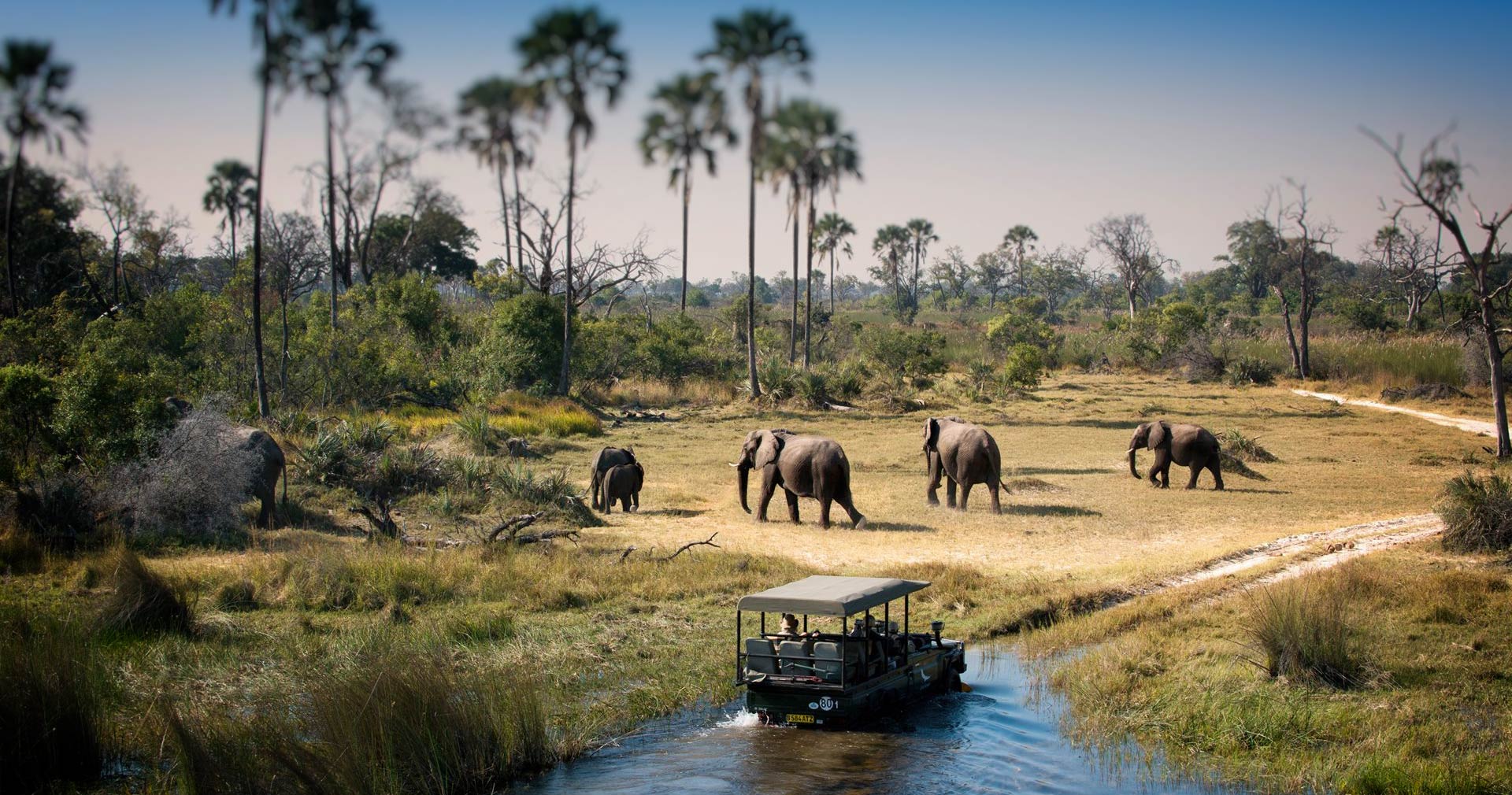
Taman Nasional Chobe adalah rumah bagi berbagai jenis satwa liar, termasuk salah satu populasi gajah terbesar di dunia. Diperkirakan ada lebih dari 120.000 ekor gajah yang berkeliaran di taman ini18. Selain gajah, pengunjung juga dapat melihat berbagai predator seperti singa, macan tutul, hyena, dan anjing liar Afrika.

Taman ini juga dihuni oleh berbagai jenis antelop seperti sable, roan, dan puku, serta herbivora lainnya seperti zebra, kerbau Afrika, dan impala. Selain mamalia, Chobe juga memiliki lebih dari 440 spesies burung, menjadikannya surga bagi para pengamat burung.

Salah satu aktivitas utama di Taman Nasional Chobe adalah safari. Pengunjung dapat memilih antara safari darat jepang slot, safari sungai, atau safari kombinasi untuk melihat satwa liar dari dekat. Sungai Chobe dan Sungai Zambezi yang mengalir di sekitar taman menawarkan pemandangan yang indah dan kesempatan untuk melihat satwa liar seperti kuda nil dan buaya yang berjemur di tepi sungai.

Selain safari, pengunjung juga dapat menikmati pemandangan alam yang menakjubkan, termasuk savana yang luas dan hutan yang lebat. Taman ini juga menawarkan berbagai akomodasi, mulai dari tenda mewah hingga lodge yang nyaman, yang memungkinkan pengunjung untuk menikmati keindahan alam dalam kenyamanan.

Meskipun Taman Nasional Chobe adalah surga bagi satwa liar, taman ini juga menghadapi beberapa tantangan. Salah satu tantangan utama adalah overpopulasi gajah, yang dapat menyebabkan kerusakan habitat dan konflik dengan manusia. Untuk mengatasi masalah ini, pemerintah Botswana telah menerapkan berbagai program konservasi untuk melindungi satwa liar dan habitatnya19.

Taman Nasional Chobe adalah destinasi yang wajib dikunjungi bagi para penggemar satwa liar dan pecinta alam. Dengan keanekaragaman hayati yang luar biasa, pemandangan alam yang menakjubkan, dan berbagai aktivitas yang ditawarkan, taman ini menawarkan pengalaman safari yang tak terlupakan. Dengan upaya konservasi yang berkelanjutan, Taman Nasional Chobe akan terus menjadi surga bagi satwa liar dan manusia di masa depan.

The Diet of Whale Sharks: The Gentle Giants of the Ocean

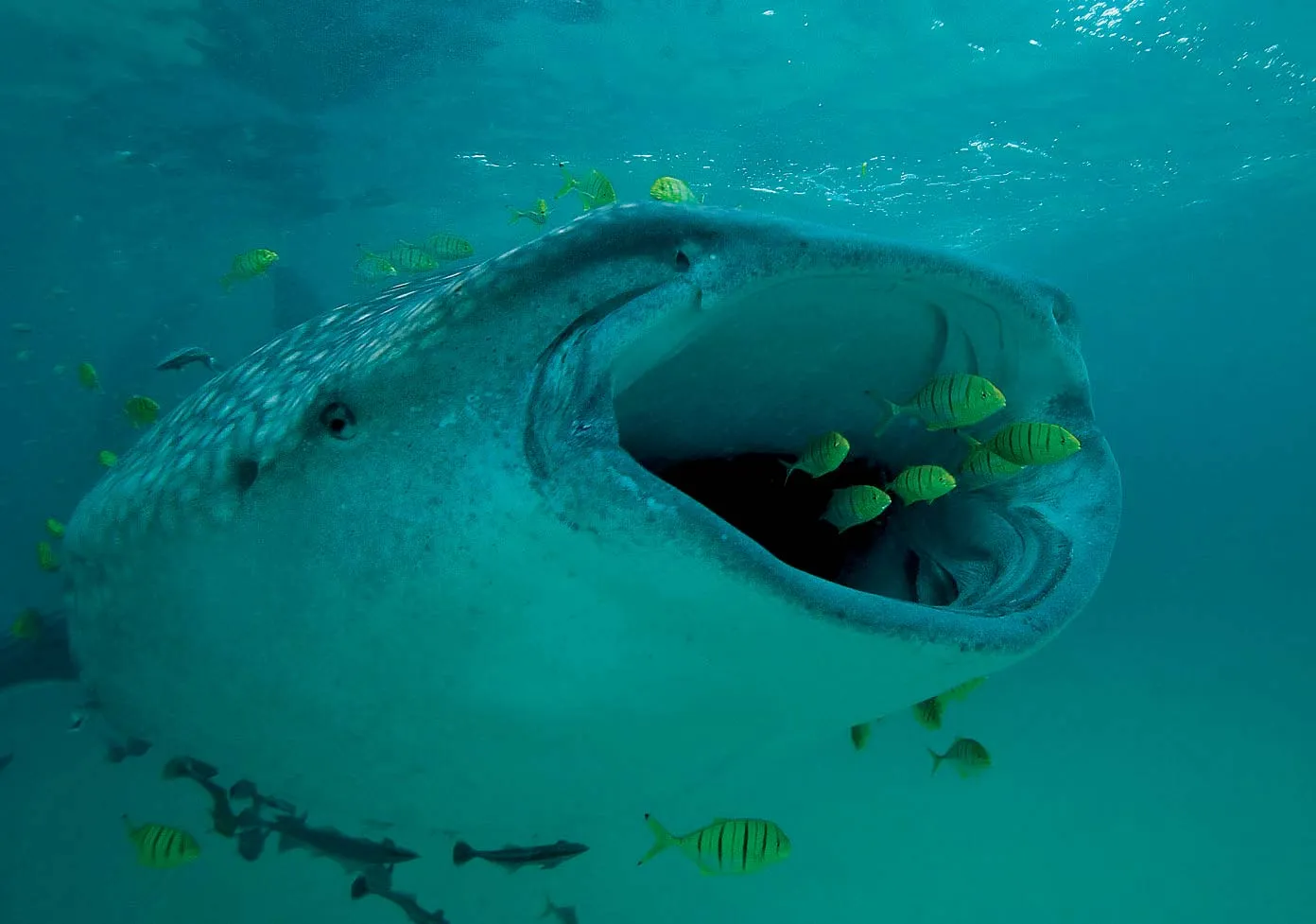
radicalthought.org – Whale sharks (Rhincodon typus) are the largest fish in the world, growing up to 40 feet or more. Despite their enormous size, these gentle giants are filter feeders, meaning they feed by straining small organisms from the water. Whale sharks are often found in warm, tropical waters, where they spend most of their lives gliding through the ocean, using their massive mouths to take in water and filter out their food. In this article, we will explore the whale shark’s diet, its unique feeding strategies, and the role it plays in marine ecosystems.

1. Filter Feeding: The Primary Method of Feeding

Whale sharks are filter feeders, meaning that instead of hunting large prey like many other sharks, they feed on vast quantities of tiny marine organisms. They use specialized feeding techniques to consume a variety of plankton, small fish, and other microscopic organisms found in the ocean. This feeding behavior allows whale sharks to thrive in nutrient-rich waters, where the abundance of small creatures is high.

Their large mouths, which can measure up to 5 feet wide, allow them to take in enormous amounts of water as they swim through it. As water flows into their mouths, it passes through gill slits that filter out food particles, leaving the water to exit through the shark’s gills.

2. Plankton: The Primary Food Source

Plankton, particularly zooplankton, form the core of the whale shark’s diet. Zooplankton consists of tiny, floating organisms, including small crustaceans like copepods and krill, as well as various larvae and other microscopic life forms. These organisms are abundant in the ocean, especially in areas where nutrient-rich upwellings occur.

Whale sharks are especially adept at filtering out zooplankton, using their large mouths to create suction as they swim slowly through the water. The plankton is collected in the whale shark’s throat, where it is swallowed, providing the shark with essential nutrients. Krill, in particular, is a significant part of their diet and is rich in proteins and lipids.

3. Small Fish: An Additional Food Source

In addition to plankton, whale sharks also consume small fish, including anchovies, sardines, and herring. These fish species often form schools near the surface, making them accessible to whale sharks when they are feeding. Whale sharks may swim through schools of small fish, filtering them from the water alongside the plankton and other organisms.

While small fish make up a smaller portion of their diet compared to plankton, they still provide valuable protein and energy. The fish are usually consumed as part of the overall filtering process, and the shark will often feed in areas where both plankton and small fish are abundant.

4. Crustaceans and Other Marine Organisms

Whale sharks are also known to consume other small marine organisms such as crustaceans, including shrimp and krill. These organisms can be found in planktonic communities and are often consumed by whale sharks alongside zooplankton and small fish.

During their feeding, whale sharks may also ingest small squid and other invertebrates, which are found in the same habitats as the plankton and fish they target. The wide variety of food they consume helps to meet their nutritional needs, supporting their large bodies.

5. Feeding Techniques: How Whale Sharks Capture Their Food

Whale sharks have evolved highly specialized feeding techniques to capture the vast amounts of food they need to survive. They are known for their slow swimming speed, which allows them to filter water efficiently. As they swim through the water, their mouths are wide open, taking in a continuous flow of water that contains food particles.

Their large gill rakers, comb-like structures located in their gills, play a crucial role in filtering food from the water. These gill rakers trap plankton and other small organisms as water flows through, and the shark then swallows the food. The whale shark’s feeding strategy is incredibly efficient, allowing it to consume large quantities of food without expending much energy.

Whale sharks are also known to use their sense of sight to locate areas with high concentrations of plankton or schools of fish. This helps them target regions of the ocean where food is abundant, such as near oceanic upwellings, where nutrient-rich waters bring plankton to the surface.

6. Seasonal Variation in Food Availability

Whale sharks are migratory animals, and their feeding habits often vary depending on the time of year and location. During certain times of the year, large concentrations of plankton and small fish gather in specific areas, providing a feeding bonanza for whale sharks. For example, whale sharks are known to congregate at specific sites like the Yucatán Peninsula in Mexico during the summer, when the plankton bloom is at its peak.

These seasonal aggregations occur when oceanic conditions, such as water temperature, current patterns, and nutrient upwelling, create an environment rich in food. As the seasons change, whale sharks may migrate to other areas where food is more abundant.

7. Ecological Role: Whale Sharks as Ocean Cleaners

Whale sharks play an important role in maintaining the health of marine ecosystems. As filter feeders, they help regulate plankton populations and contribute to the balance of marine food webs. By consuming large amounts of plankton and small fish, they help prevent any one species from becoming overly abundant, which can disrupt the ecosystem.

Their feeding also supports the food chain in other ways. As whale sharks consume plankton and small fish, they provide an opportunity for other marine animals, such as fish and marine mammals, to feed on the remnants or detritus left behind. This recycling of nutrients is vital for maintaining a healthy, functioning marine ecosystem.

8. Human Impact: Overfishing and Climate Change

While whale sharks are currently not considered endangered, they face several threats due to human activities. Overfishing is a significant concern, as the depletion of fish stocks can reduce the availability of food for whale sharks. In particular, the overfishing of small fish and plankton-eating organisms could impact the shark’s ability to find enough food.

Climate change is also affecting ocean ecosystems, causing shifts in water temperatures, current patterns, and the availability of plankton. These changes could disrupt the feeding behavior of whale sharks, making it harder for them to find food in the long term.

Additionally, habitat destruction, particularly in areas where whale sharks gather to feed, poses a significant threat to their survival. Coral reef damage, pollution, and human encroachment into marine protected areas can limit the availability of food and disrupt the natural feeding patterns of whale sharks.

9. Conservation Efforts: Protecting the Whale Shark’s Food Sources

Efforts to conserve whale sharks focus on protecting their feeding grounds, as well as ensuring that their food sources remain abundant. Conservationists are working to establish marine protected areas (MPAs) where whale sharks and other marine life can thrive without the threat of overfishing or habitat destruction.

Sustainable fishing practices are also critical to ensuring that whale sharks have access to their primary food sources. Initiatives to regulate fishing and protect plankton-rich areas can help safeguard the delicate balance of marine ecosystems and ensure that whale sharks can continue to feed in these vital regions.

10. The Future of Whale Sharks: Ensuring Food Security

The future of whale sharks depends on the conservation of their food sources and the protection of their feeding habitats. By reducing human impacts on the ocean and focusing on sustainable practices, we can help ensure that these majestic creatures have access to the food they need to survive. Whale sharks are not just important for the ocean’s health but also for the world’s biodiversity. Their role as filter feeders makes them essential components of marine ecosystems, and their continued survival will help maintain the balance of ocean life.

Conclusion

Whale sharks are extraordinary creatures with a diet that consists primarily of plankton, small fish, and other marine organisms. Their specialized feeding techniques and ability to filter enormous amounts of water allow them to thrive in the world’s oceans. As gentle giants, whale sharks contribute to the health of marine ecosystems by regulating plankton populations and supporting the marine food web. However, their survival is threatened by human activities, and concerted conservation efforts are necessary to protect their food sources and ensure their continued existence in the wild. Through sustainable practices and habitat protection, we can help ensure that these magnificent creatures continue to glide through the oceans for generations to come.

Northern Bottlenose Whale: The Explorers of the Ocean

radicalthought.org – The northern bottlenose whale (Hyperoodon ampullatus) is a remarkable species known for its intelligence, social nature, and impressive diving abilities. Found primarily in the cold waters of the North Atlantic, these whales are among the deepest-diving marine mammals, capable of reaching extreme depths in search of their favorite prey—deep-sea squid. Although once heavily hunted, northern bottlenose whales are now protected, but they still face various environmental challenges.

Physical Characteristics

The northern bottlenose whale is a robust, medium-sized whale with a distinctive, bulbous forehead, often referred to as a “melon,” which is more pronounced in adult males. This forehead plays a key role in echolocation, helping the whales navigate and hunt in the dark depths of the ocean. Their name comes from their elongated beak or “bottle-shaped” nose.

Adults can grow up to 32 feet (9.8 meters) in length and weigh as much as 16,500 pounds (7,500 kilograms), with males generally larger than females. Their bodies are streamlined and covered in a grayish-brown skin that can appear lighter on the belly. Like other members of the beaked whale family, they have a pair of small, triangular flippers and a short, curved dorsal fin located towards the rear of their backs.

Habitat and Range

Northern bottlenose whales are primarily found in the deep waters of the North Atlantic Ocean. Their range extends from the waters around Greenland and the Arctic Circle, south to the coasts of Norway, Iceland, and the British Isles, and as far west as the eastern coast of Canada. These whales prefer cold, deep waters, often inhabiting areas like submarine canyons and ocean trenches where their prey is abundant.

One of the most well-known habitats for northern bottlenose whales is the “Gully,” a submarine canyon off the coast of Nova Scotia, Canada, which serves as a critical feeding and breeding ground for the species. Other important habitats include the waters around Norway’s continental shelf and the deep fjords of Iceland.

Feeding Behavior and Diet

Northern bottlenose whales are deep-diving specialists, capable of diving to depths of over 4,900 feet (1,500 meters) and staying submerged for up to two hours. Their dives are among the deepest and longest of any cetacean species, rivaling those of the famous sperm whale. These deep dives allow them to access their primary prey—deep-sea squid—as well as fish, such as cod, herring, and other deep-water species.

Northern bottlenose whales use echolocation to find their prey in the darkness of the deep ocean. Once they locate their target, they use their suction-feeding technique to capture it, quickly drawing the prey into their mouths. Their ability to dive so deep also helps them avoid many surface-level predators and human-related threats.

Social Structure and Behavior

Northern bottlenose whales are highly social animals that live in pods ranging from 4 to 20 individuals, though larger groups have been observed. These pods typically consist of close-knit groups of individuals, often including related whales. Within these social structures, the whales display cooperative behaviors, such as assisting injured or stranded members of their group.

The whales communicate using a series of clicks and whistles, which serve both for echolocation and social interactions. Males can sometimes be seen engaging in head-butting competitions, likely as a form of dominance display or mating competition.

Northern bottlenose whales are also curious and often approach boats, making them a favorite of whale watchers in certain regions. Their tendency to approach ships, however, made them an easy target for whalers in the past.

Reproduction and Lifespan

Northern bottlenose whales have a relatively slow reproductive rate. Females give birth to a single calf every two to three years after a gestation period of about 12 months. Calves are born in warmer, shallower waters and measure about 10 feet (3 meters) in length at birth. They are nursed by their mothers for up to two years, during which time they learn essential survival skills, including diving and hunting.

Northern bottlenose whales are long-lived animals, with some individuals living up to 50 years or more. However, their slow reproductive rate and long lifespan make them vulnerable to population declines from human activities.

Conservation Status and Threats

The northern bottlenose whale is currently classified as “Least Concern” by the International Union for Conservation of Nature (IUCN), but certain populations, such as those in the Gully, are considered vulnerable due to their small size and localized habitat use. Historically, northern bottlenose whales were heavily hunted for their oil and meat during the 19th and 20th centuries, leading to significant population declines. Although commercial whaling has ended, the species still faces several modern-day threats.

Major threats to northern bottlenose whales include:

  • Noise Pollution: Underwater noise from shipping, naval exercises, and industrial activities can disrupt the whales’ echolocation, communication, and navigation, leading to disorientation and even strandings. Northern bottlenose whales are particularly sensitive to noise pollution, which can interfere with their deep-diving behavior.
  • Entanglement: Like many marine mammals, northern bottlenose whales are at risk of becoming entangled in fishing gear, which can lead to injury, impaired movement, or death.
  • Climate Change: Warming ocean temperatures and changing prey availability due to climate change may affect the feeding grounds of northern bottlenose whales, forcing them to alter their migration and diving patterns in search of food.
  • Pollution: The accumulation of pollutants such as plastics and toxic chemicals in the oceans can impact the health of northern bottlenose whales and their prey, contributing to declines in population health and reproductive success.

Conservation Efforts

Efforts to protect northern bottlenose whales have been primarily focused on the protection of their critical habitats and the reduction of human-induced threats. In Canada, the Gully Marine Protected Area was established to safeguard one of the species’ key habitats, helping to reduce the impact of industrial activities such as oil exploration and shipping in the region.

Additionally, international regulations on whaling have provided legal protection for northern bottlenose whales, although the enforcement of these regulations is key to their effectiveness. Conservationists and researchers continue to monitor populations, study the impacts of human activities, and advocate for further protections in regions where the species is vulnerable.

Role in the Ecosystem

As apex predators in the deep-sea ecosystem, northern bottlenose whales play an important role in regulating the populations of squid and other prey species. Their feeding habits contribute to the balance of marine life in the deep ocean, helping to maintain the health of their ecosystem.

Northern bottlenose whales are also part of a larger network of marine species that are interdependent on one another. Their health and population status are indicators of the overall health of the marine environment, making them important species for conservation and environmental monitoring.

Conclusion

The northern bottlenose whale is a fascinating species that captures the imagination with its deep-diving prowess, social behavior, and curiosity. Despite surviving centuries of whaling, these whales now face new challenges from human activities, particularly noise pollution and environmental changes. Protecting their critical habitats, minimizing human impacts, and promoting conservation measures are essential to ensuring the survival of these deep-sea explorers in the future. Their continued presence in the oceans reminds us of the importance of preserving marine biodiversity for generations to come.

The American Alligator: A Majestic Predator

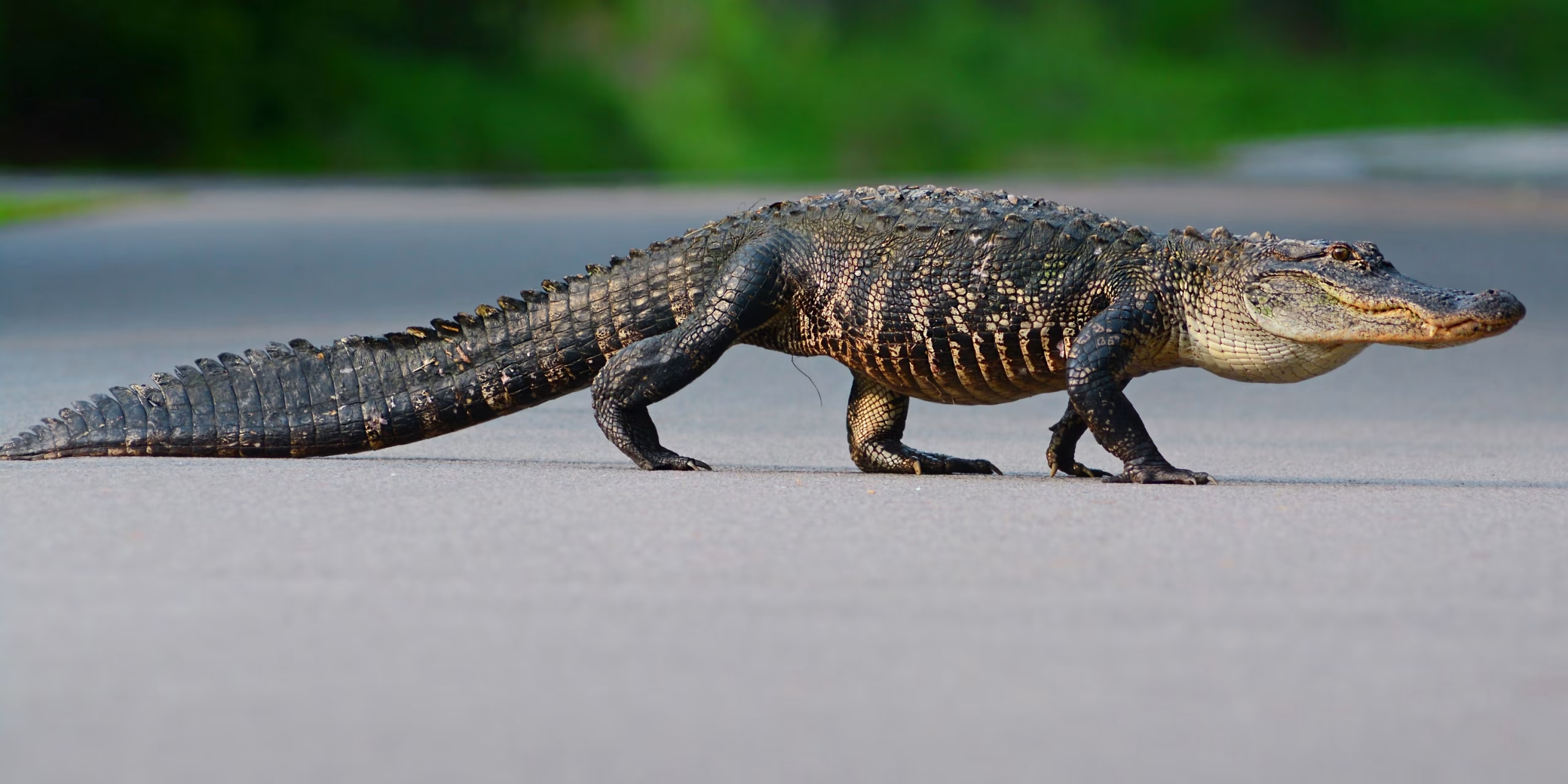
radicalthought.org – The American alligator, a formidable apex predator, is an iconic symbol of the American South. These reptiles, with their powerful jaws and armored scales, have captivated the imaginations of people for centuries.

Physical Characteristics

American alligators are large reptiles, with males typically growing to be 11 to 13 feet long and weighing up to 1,000 pounds. Females are generally smaller, reaching lengths of 8 to 10 feet. Their bodies are covered in thick, bony scales, providing protection from predators and the elements.

One of the most distinctive features of the American alligator is its powerful jaws. These jaws are lined with sharp, conical teeth that are used to capture and consume prey. Alligators have a unique bite force, capable of crushing bone and shell.

Habitat and Behavior

American alligators are primarily found in freshwater habitats throughout the southeastern United States, including swamps, marshes, rivers, and lakes. They are well-adapted to aquatic environments, with webbed feet and a long, powerful tail that propels them through the water.

Alligators are carnivores, feeding on a variety of prey, including fish, turtles, birds, and mammals. They are ambush predators, lying in wait for unsuspecting prey to come within striking distance. When a suitable prey item approaches, the alligator launches a rapid attack, seizing its victim with its powerful jaws.

Reproduction and Lifespan

American alligators are sexually mature at around 10 years of age. Mating occurs in the spring, and females build large nests of vegetation to lay their eggs. A female alligator can lay up to 50 eggs in a single clutch. The eggs hatch after about two months, and the young alligators are immediately on their own.

American alligators have a relatively long lifespan, with some individuals living for over 50 years. However, many young alligators fall prey to predators, such as raccoons, birds, and other alligators.

Conservation Status

The American alligator was once hunted to near extinction for its skin and meat. However, thanks to conservation efforts, the population has rebounded significantly. Today, the American alligator is no longer considered endangered, but it is still protected by law.

Ecological Importance

American alligators play a vital role in the ecosystems they inhabit. As apex predators, they help to regulate populations of other animals, such as fish and turtles. They also create and maintain wetlands by digging burrows and building nesting mounds. These wetlands provide habitat for a variety of other species, including birds, fish, and amphibians.

Encountering Alligators

If you are lucky enough to encounter an American alligator in the wild, it is important to observe it from a safe distance. Never approach or feed an alligator, as this can be dangerous.

Tree Frogs: Arboreal Acrobats of the Amphibian World

radicalthought.org – Tree frogs, belonging to several families including Hylidae (true tree frogs), Rhacophoridae (Old World tree frogs), and others, are a diverse group of amphibians renowned for their arboreal lifestyle. These agile climbers have evolved a remarkable suite of adaptations that allow them to thrive in the canopy and other vertical habitats. From their vibrant colors to their specialized toe pads, tree frogs are a captivating part of the world’s biodiversity.   

Physical Characteristics: Adaptations for Climbing

Tree frogs possess several key physical characteristics that enable them to navigate their arboreal environment:

  • Toe Pads: The most distinctive feature of tree frogs is their expanded toe pads. These pads are covered in specialized cells and mucous glands that create adhesion through a combination of friction, wet adhesion (surface tension), and possibly even weak electrostatic forces. This allows them to grip smooth surfaces, including leaves, branches, and even glass.   
  • Slender Bodies and Long Limbs: Tree frogs typically have slender bodies and long, powerful limbs, which aid in climbing and leaping between branches.   
  • Lightweight Build: Their lightweight build minimizes the stress on branches and allows for greater agility.
  • Large Eyes: Tree frogs often have large, protruding eyes that provide excellent binocular vision, crucial for judging distances and spotting prey in the complex three-dimensional environment of the canopy.   
  • Coloration and Camouflage: Many tree frog species exhibit vibrant colors and patterns, often serving as camouflage among foliage or as warning signals (aposematism) to predators. Some species can even change color to match their surroundings.   

Classification and Diversity: A Global Phenomenon

Tree frogs are found on every continent except Antarctica, with the greatest diversity occurring in tropical rainforests. They belong to several different families, showcasing convergent evolution:   

  • Hylidae (True Tree Frogs): Found primarily in the Americas, Australia, and parts of Eurasia.   
  • Rhacophoridae (Old World Tree Frogs): Found in Asia, Africa, and Madagascar.
  • Centrolenidae (Glass Frogs): Found in Central and South America, known for their translucent skin, through which their internal organs can be seen.

Habitats and Distribution: From Rainforests to Temperate Woodlands

Tree frogs occupy a variety of arboreal and semi-arboreal habitats:

  • Tropical Rainforests: Rainforests provide the greatest diversity of tree frog species, with many inhabiting the canopy, understory, and forest floor.   
  • Temperate Woodlands and Forests: Some species are found in temperate forests, often inhabiting trees near streams or ponds.
  • Wetlands and Swamps: Some tree frogs inhabit vegetation in wetlands and swamps.   
  • Urban and Suburban Areas: Some adaptable species can be found in urban and suburban environments, inhabiting gardens and parks.   

Diet and Foraging: Primarily Insectivores

Tree frogs are primarily insectivores, feeding on a variety of insects and other invertebrates:   

  • Insects: Insects are their main food source, including flies, mosquitoes, moths, and beetles.
  • Spiders and Other Arthropods: They also consume spiders, mites, and other arthropods.

They employ various hunting strategies:

  • Ambush Predators: Many species are ambush predators, waiting for prey to come within striking distance.   
  • Active Foragers: Some species actively search for prey among foliage.

Behavior: Nocturnal Activity and Vocalizations

Many tree frog species are nocturnal or crepuscular (active at dawn and dusk).   

  • Vocalizations: Male tree frogs produce a variety of calls to attract females for breeding. These calls can vary greatly between species, ranging from high-pitched trills to deep croaks.   
  • Breeding: Breeding typically occurs near water, with females laying eggs in water or on vegetation near water.   
  • Territoriality: Some species are territorial, defending their calling sites from other males.   

Reproduction: Diverse Breeding Strategies

Tree frogs exhibit diverse breeding strategies:

  • Eggs in Water: Many species lay their eggs directly in water, where the tadpoles develop.
  • Eggs on Vegetation: Some species lay their eggs on leaves or other vegetation overhanging water, with the tadpoles dropping into the water upon hatching.   
  • Foam Nests: Some species create foam nests on land or in vegetation, providing a moist environment for the developing eggs and tadpoles.   

Defense Mechanisms: Camouflage and Toxins

Tree frogs have several defense mechanisms to avoid predation:   

  • Camouflage: Their coloration and patterns often provide excellent camouflage among foliage.   
  • Skin Toxins: Some species secrete toxins from their skin, which can be irritating or even poisonous to predators.   
  • Escape by Leaping: Their powerful legs allow them to quickly leap away from danger.

Ecological Importance: A Vital Part of Ecosystems

Tree frogs play important roles in ecosystems:

  • Insect Control: They help control populations of insects, some of which can be pests.   
  • Prey for Larger Animals: They serve as a food source for larger predators such as snakes, birds, and mammals.

Conservation Status: Threats and Challenges

Many tree frog species face threats such as:

  • Habitat Loss and Degradation: Deforestation, urbanization, and agriculture destroy their habitats.   
  • Climate Change: Changes in temperature and precipitation patterns can affect their breeding and survival.
  • Disease: Diseases such as chytridiomycosis have caused significant declines in some tree frog populations.
  • Pollution: Pesticides and other pollutants can harm tree frogs.   

Conclusion: Masters of the Arboreal Realm

Tree frogs are a diverse and fascinating group of amphibians, showcasing remarkable adaptations for life in the trees. Their specialized toe pads, vibrant colors, and diverse behaviors make them a captivating part of the world’s biodiversity. Protecting their habitats and addressing the threats they face are crucial for their conservation and the health of our planet’s ecosystems.

The Red Fox: Symbolism & Significance in Culture

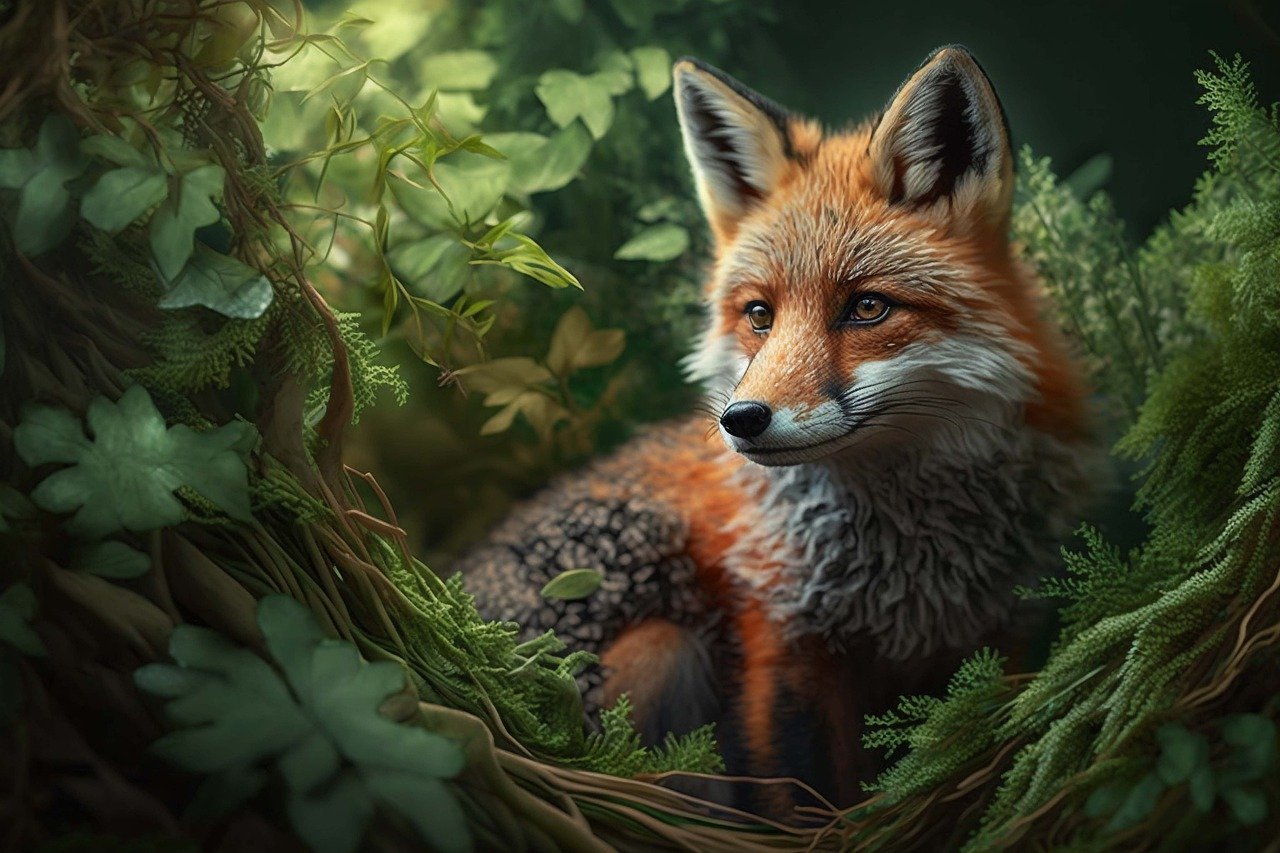
radicalthought.org – The red fox (Vulpes vulpes) is not only a fascinating creature in the wild but also a prominent figure in various cultural narratives across the globe. Its striking appearance and cunning behavior have inspired countless stories, legends, and symbols that reflect its significance in human culture.

Symbolism of the Red Fox

Throughout history, the red fox has been a symbol of intelligence, adaptability, and cunning. In many cultures, it is seen as a trickster figure, embodying both cleverness and deceit. This dual nature makes the fox a complex character in folklore and mythology, often representing the fine line between wisdom and mischief.

The Red Fox in Folklore and Mythology

In European folklore, foxes are often portrayed as cunning tricksters, outsmarting other animals and even humans. Aesop’s fables, for example, frequently feature foxes in tales that teach moral lessons about wit and deception.

In Japanese culture, the fox, or kitsune, is a revered figure associated with the Shinto deity Inari. Kitsune are believed to possess supernatural abilities, including shape-shifting and foresight, and are considered protectors as well as tricksters. They are often depicted as wise and powerful beings that can bring prosperity or misfortune depending on how they are treated.

The Red Fox in Literature and Art

The red fox has also been a popular subject in literature and art. In medieval Europe, the Reynard the Fox stories depicted the fox as a clever hero, using his wits to navigate a world of deceit and ambition. These stories have been retold and adapted in various forms, highlighting the fox’s enduring appeal.

In art, the red fox is often depicted as a symbol of the untamed and mysterious aspects of nature. Its vibrant red fur and expressive features make it a captivating subject for artists exploring themes of wilderness and freedom.

Modern Interpretations and Symbolism

In contemporary culture, the red fox continues to symbolize adaptability and resilience. As urbanization increases, foxes have shown remarkable ability to thrive in city environments, embodying the idea of survival and resourcefulness in changing landscapes.

The red fox is also used as a symbol in various brands and logos, often representing agility, intelligence, and a touch of playfulness. This reflects a broader cultural appreciation for the animal’s unique qualities and its ability to capture the human imagination.

Conclusion

The red fox holds a special place in human culture as a symbol of cunning, adaptability, and mystery. Its presence in folklore, literature, and art highlights the deep connection between humans and this remarkable animal. As we continue to encounter foxes in various cultural contexts, they remain a powerful reminder of the intricate and often enigmatic relationship between nature and humanity.

The Fascinating World of Pygmy Goats

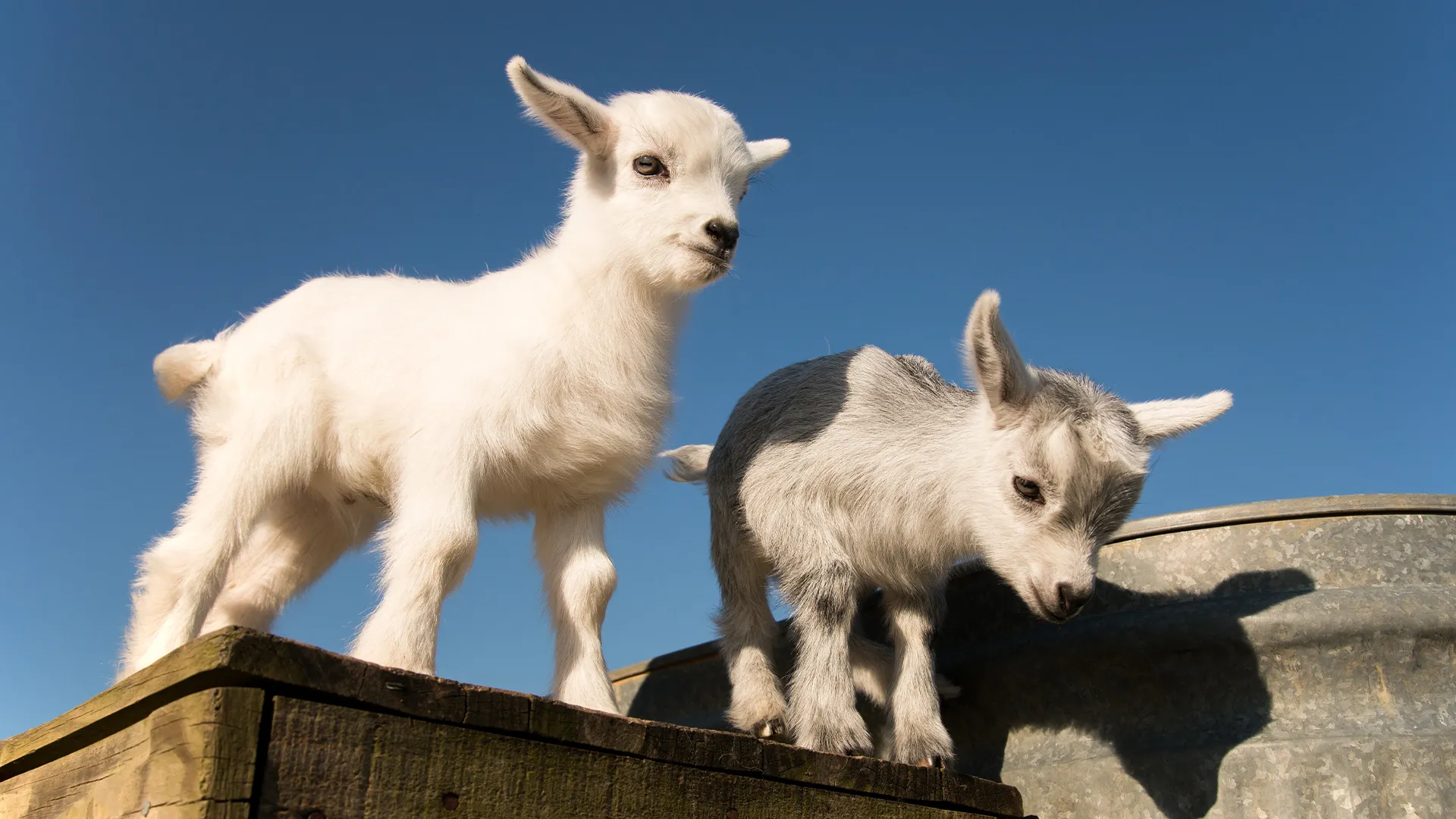
radicalthought.org – Pygmy goats, with their diminutive size and playful nature, have captured the hearts of many animal enthusiasts around the globe. These miniature creatures are not only adorable but also possess a unique set of characteristics that set them apart from other goat breeds. In this article, we will delve into the fascinating world of pygmy goats, exploring their history, characteristics, care, and the joy they bring to those who keep them.

The Origins of Pygmy Goats

The pygmy goat originated from West Africa, where they have been kept by local tribes for centuries. Their small size made them ideal for living in areas with limited space and resources. In the 1950s, pygmy goats were introduced to the United States, primarily for zoos and as exotic pets. Since then, they have become increasingly popular as pets, show animals, and even as therapy animals due to their friendly and approachable nature.

Physical Characteristics

Pygmy goats are known for their small stature, typically weighing between 35 to 55 pounds when fully grown. They have a stocky build, with a broad chest and a short, straight back. Their coat can vary in color, with common patterns including white with brown or black spots. One of the most distinctive features of pygmy goats is their short, upright ears and their bright, inquisitive eyes.

Personality and Behavior

Pygmy goats are renowned for their friendly and sociable nature. They are highly intelligent and curious, often exploring their surroundings with enthusiasm. These goats are also known for their playful antics, which can include jumping, running, and playing with their herd mates or human companions. Their small size makes them ideal for living in smaller spaces, such as backyards, and they are generally easy to handle.

Care and Keeping

Caring for pygmy goats requires attention to their specific needs. They are herd animals and should not be kept alone, as they can become stressed and depressed without companionship. A diet rich in hay, fresh water, and occasional treats is essential for their health. Regular hoof trimming, vaccinations, and deworming are also necessary to keep them in good condition.

Pygmy goats are relatively low-maintenance pets, but they do require a safe and secure environment. A shelter that protects them from the elements and a fenced area where they can graze and play are important components of their habitat.

The Joy of Pygmy Goats

For many, the joy of owning pygmy goats comes from their affectionate nature and the entertainment they provide. They are known to form strong bonds with their human caregivers and can be trained to perform simple tasks. Pygmy goats also participate in shows, where they are judged on their conformation and behavior, further adding to their appeal as a breed.

Conclusion

Pygmy goats are more than just miniature versions of their larger counterparts; they are a unique and fascinating breed with their own set of characteristics and needs. Whether as pets, show animals, or therapy animals, pygmy goats bring joy and companionship to those who welcome them into their lives. Their small size, friendly nature, and playful behavior make them an ideal choice for animal lovers looking for a pet that is both entertaining and easy to care for. As we continue to appreciate the diverse world of animals, pygmy goats stand out as a testament to the charm and delight that can be found in the smallest of creatures.

An African Enigma: The Quagga

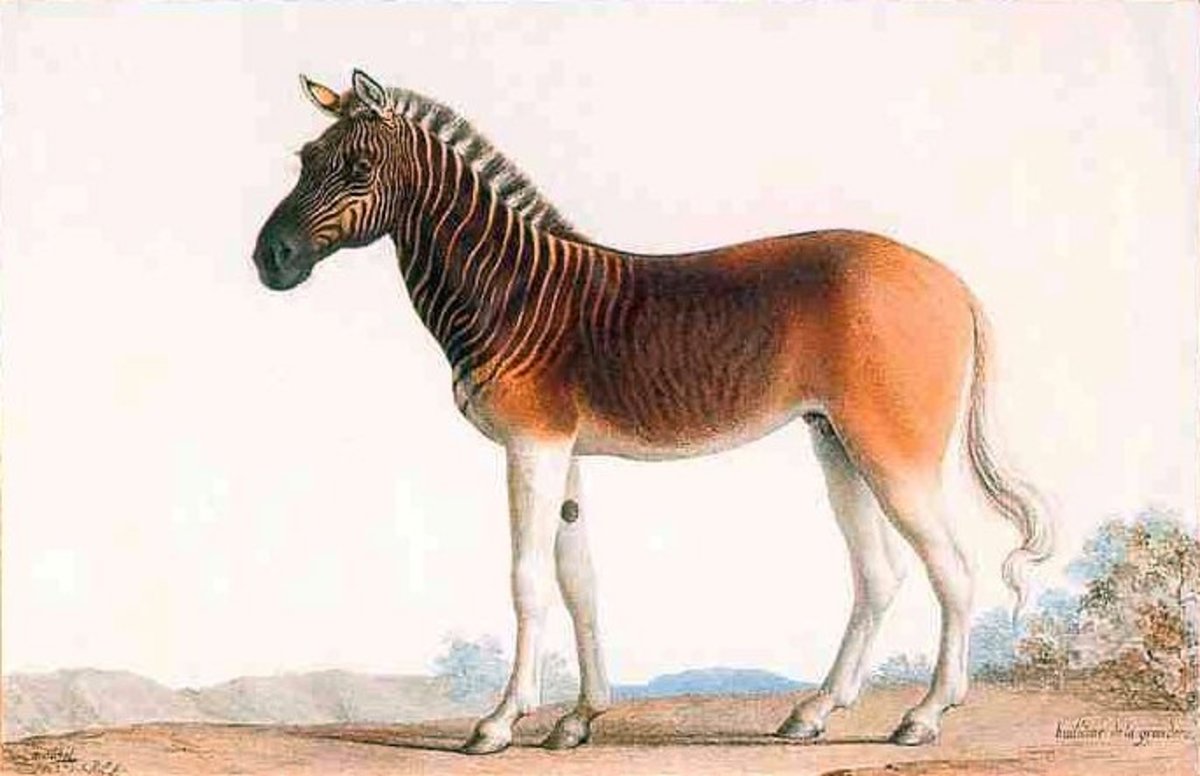
radicalthought.org – The quagga, a subspecies of the plains zebra, is an African enigma that has captivated the imagination of scientists, historians, and conservationists alike. Its unique appearance, characterized by a pattern of stripes on the front half of the body that fades into a brown or yellowish coat on the hindquarters, made it stand out among the diverse wildlife of the African savannah. Unfortunately, the quagga’s distinctiveness did not save it from extinction; the last known quagga died in captivity in 1883, marking the end of a species that had roamed the grasslands of South Africa for millennia.

A Distinctive Coat

The quagga’s most striking feature was its coat, which was unlike that of any other zebra. The front of the body, including the head, neck, shoulders, and flanks, was covered in bold, black stripes on a white background, similar to other zebra species. However, the stripes gradually became narrower and less distinct towards the rear of the animal, eventually giving way to a solid brown or yellowish color on the hindquarters and legs. This unique patterning has led to much speculation about the quagga’s evolutionary history and its adaptation to the African environment.

Extinction and Rediscovery

The quagga’s extinction is a tragic tale of human impact on the natural world. European settlers in South Africa hunted the quagga for meat and sport, and as the human population expanded, the quagga’s habitat was increasingly fragmented and destroyed. By the late 19th century, the quagga was on the brink of extinction. Efforts to save the species were too little, too late, and the last quagga died in the Amsterdam Zoo in 1883.

The quagga’s extinction did not end interest in the species. In the 20th century, a photograph of a quagga taken in the 1870s became one of the most reproduced images in natural history books, sparking renewed fascination with the animal. This interest has led to various conservation projects aimed at “de-extinction,” or the revival of the quagga through selective breeding of plains zebras with similar coloration patterns.

Conservation Efforts and the Quagga Project

The Quagga Project, initiated in the 1980s, is one of the most notable attempts to bring back the quagga. By selectively breeding plains zebras with lighter stripes and fewer stripes on the hindquarters, the project aims to recreate the quagga’s distinctive appearance. While the animals produced by this project are not true quaggas (they are still plains zebras), they serve as a living memorial to the lost subspecies and a symbol of the potential for conservation to mitigate the effects of extinction.

The Quagga’s Legacy

The quagga’s story is a poignant reminder of the fragility of life on Earth and the impact of human activity on the natural world. Its extinction serves as a cautionary tale about the importance of conservation and the need to protect the diversity of life on our planet. The quagga may be gone, but its legacy lives on, inspiring efforts to preserve the natural heritage of Africa and beyond.

As we continue to face the challenges of biodiversity loss and climate change, the quagga stands as a symbol of what can be lost and what can be saved. The African enigma that was the quagga reminds us that every species has a place in the intricate web of life, and that it is our responsibility to ensure that no other creature meets the same fate as this unique and fascinating animal.

Symbol of Luck and Beauty: The Enchanting World of Koi Carp

Koi carp, renowned for their vibrant colors and serene beauty, have captivated the hearts of people around the world for centuries. Originating from East Asia, these ornamental fish are not only admired for their aesthetic appeal but also hold a significant place in Japanese culture, symbolizing luck, prosperity, and perseverance. This article delves into the fascinating world of Koi carp, exploring their history, characteristics, and the art of keeping them.

Origins and History

The history of Koi carp dates back to ancient China over 2,000 years ago, where they were primarily kept for consumption. It wasn’t until the Song Dynasty (960-1279 AD) that people began to notice and selectively breed Koi for their coloration. The practice of breeding Koi for ornamental purposes was then brought to Japan in the early 1820s, where it quickly gained popularity. The Japanese began to selectively breed these carp for their vibrant colors and patterns, leading to the development of the Koi varieties we know today.

Characteristics and Varieties

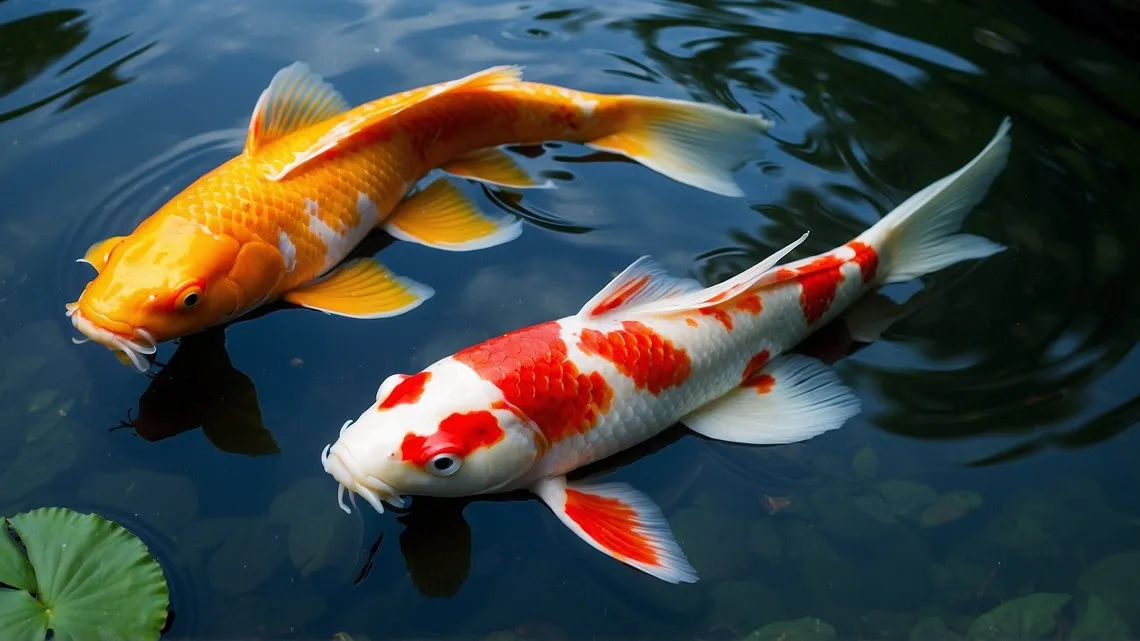
Koi carp are a domesticated variety of the common carp (Cyprinus carpio) and can grow up to 3 feet in length and live for over a century under the right conditions. They are known for their large scales, which come in a variety of colors including white, black, red, yellow, blue, and orange. These colors often form beautiful patterns, with some of the most sought-after varieties including the Kohaku, with its red markings on a white background; the Sanke, featuring red, black, and white; and the Showa, which combines black, red, and white in a different pattern than the Sanke.

Symbolism and Cultural Significance

In Japanese culture, Koi carp symbolize good fortune, success, and perseverance. The legend of the Koi carp swimming upstream to become a dragon is a powerful metaphor for overcoming adversity and achieving greatness. This legend, combined with the Koi’s beauty and grace, has made them a popular symbol in art, literature, and even business, where they represent prosperity and advancement.

Keeping Koi Carp

Keeping Koi carp is an art form in itself, requiring a deep understanding of their needs and preferences. Koi thrive in outdoor ponds, where they have plenty of space to swim and explore. The pond should be at least 3 feet deep to protect the Koi from predators and temperature fluctuations. It should also be equipped with a filtration system to keep the water clean and a UV sterilizer to control algae growth.

Feeding Koi is a rewarding experience, as they quickly learn to recognize their owners and come to the surface at feeding time. A balanced diet of high-quality Koi food, supplemented with vegetables and occasional treats, will keep them healthy and vibrant.

Conclusion

Koi carp are more than just beautiful fish; they are symbols of strength, beauty, and resilience. Their rich history, stunning appearance, and cultural significance make them a unique addition to any garden pond. Whether you’re an experienced Koi keeper or simply admire their beauty from afar, there’s no denying the enchanting allure of these magnificent creatures.

Apex Predator of the Seas: The Orca

In the vast, mysterious expanse of the world’s oceans, there reigns a creature of unparalleled power and intelligence, a true apex predator that commands both fear and respect from all who encounter it. This creature is the orca, also known as the killer whale, a majestic and formidable member of the ocean’s ecosystem.

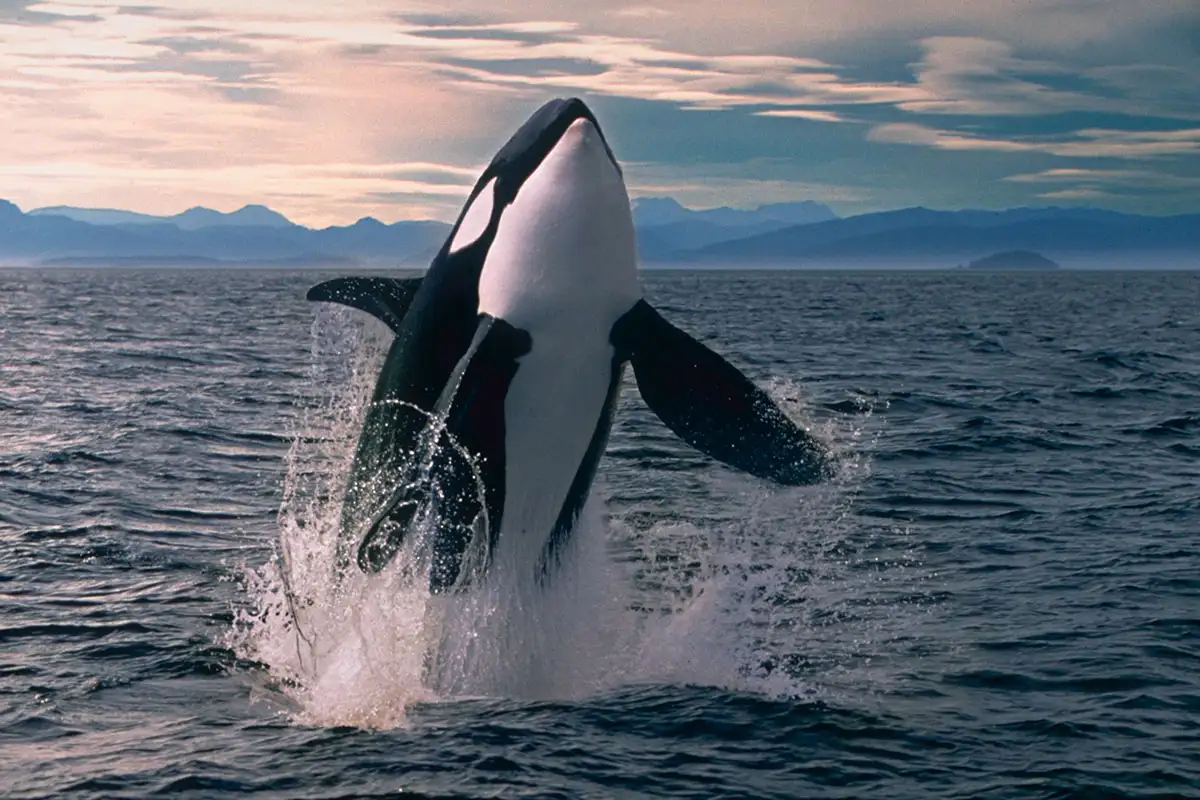
Orcas are the largest members of the dolphin family, with adults typically ranging from 19 to 32 feet in length and weighing up to six tons. Their striking appearance, characterized by a sleek, black body with a white underside and a distinctive, tall dorsal fin, makes them instantly recognizable. Despite their name, orcas are not whales; they are actually part of the oceanic dolphin family, known for their intelligence and complex social structures.

The orca’s status as an apex predator is well-earned. With a diet that includes fish, squid, seals, sea lions, walruses, and even other whales, orcas have no natural predators. Their hunting strategies are as diverse as their diet, often involving complex cooperative behaviors that demonstrate their remarkable intelligence. For example, orcas have been observed working together to corral fish into tight groups, known as “bait balls,” or using waves to dislodge seals from ice floes.

One of the most astonishing aspects of orca behavior is their use of echolocation, a sophisticated method of navigation and hunting that involves emitting clicks and sounds that bounce off objects and return as echoes, allowing the orcas to “see” their surroundings and prey in the dark ocean depths.

Orcas are also known for their strong family bonds and complex social structures. They live in matriarchal pods, which are led by the oldest and often largest female. These pods can range in size from a few individuals to several dozen, and they work together to hunt, raise their young, and protect their territory. The bonds within these pods are lifelong, and orcas have been known to assist injured or sick members for extended periods.

The intelligence of orcas is legendary, with their brain size and complexity rivaling that of humans. They have been observed using tools, such as using sea sponges to protect their snouts while foraging on the ocean floor, and they are capable of learning and passing on behaviors to future generations, a trait known as cultural transmission.

Despite their fearsome reputation, orcas are not aggressive towards humans in the wild. In fact, there are no documented cases of wild orcas killing a human. Their depiction as “killer whales” is a misnomer that stems from the mistranslation of their scientific name, “Orcinus orca,” which means “royal whale” or “whale from the front of the ship,” not “whale that kills.”

However, the orca’s majestic presence in the seas is not without challenges. They face threats from pollution, habitat destruction, and the impacts of climate change. Additionally, the capture and confinement of orcas for marine parks and aquariums have been controversial, with many arguing that these intelligent and social animals should not be kept in captivity.

In conclusion, the orca stands as a testament to the wonders of the natural world, a creature of immense power, intelligence, and social complexity. As apex predators, they play a crucial role in maintaining the balance of marine ecosystems, and their well-being is a reflection of the health of our oceans. It is our responsibility to protect these magnificent animals and their habitats, ensuring that they continue to thrive for generations to come.