Dior Sauvage: The Iconic Fragrance of Modern Masculinity

radicalthought.org – Since its launch in 2015, Dior Sauvage has quickly become one of the most popular and recognizable fragrances in the world. Designed by François Demachy, the perfumer for Christian Dior, Sauvage has captivated fragrance lovers with its bold, fresh, and dynamic scent. It has earned a reputation for being a fragrance that embodies raw masculinity, freedom, and ruggedness while maintaining a sense of sophistication and refinement.

With its striking bottle design, a nod to the wild and untamed spirit of the fragrance, and a composition that combines fresh citrus notes with warm, spicy undertones, Sauvage is a scent that captures the essence of the modern man. This fragrance was crafted with versatility in mind, making it suitable for all occasions, from casual daywear to special evenings out. The perfume’s ability to make an impact without being overpowering has contributed to its widespread success and enduring popularity.

In this article, we will explore the creation of Dior Sauvage, examine its composition, and delve into the reasons why it continues to be one of the most beloved fragrances on the market today.

The Inspiration Behind Dior Sauvage

The inspiration behind Dior Sauvage is drawn from the rugged beauty of the wild—from the open skies, vast landscapes, and untamed nature. The fragrance captures a sense of freedom and masculinity that is deeply rooted in the raw elements of the natural world. The idea of Sauvage was to create a scent that was vibrant, bold, and unrefined, yet still refined enough for a modern, sophisticated man.

Dior’s marketing and imagery surrounding the fragrance evoke the spirit of a man who is confident, adventurous, and unapologetically bold. The concept behind the scent is centered around the idea of a modern-day explorer who seeks freedom and adventure in the vastness of nature. The ruggedness of the wilderness is mirrored in the powerful scent profile, while the refinement of the perfume ensures that it can be worn in any setting, from casual outings to formal events.

The fragrance’s name, Sauvage, meaning “wild” or “savage” in French, emphasizes its untamed and fierce character. Yet, it also alludes to the idea of something that is wild and free but not without purpose, control, or sophistication. This duality is reflected in the fragrance’s composition and the impact it has on those who wear it.

Composition and Scent Profile

Dior Sauvage is a woody, aromatic fragrance that balances fresh, citrus notes with spicy and woody undertones. Its composition is designed to be clean and invigorating, yet deep and sophisticated, making it an ideal choice for any occasion. The fragrance opens with a burst of citrus freshness, followed by a heart that is rich in spices and herbal nuances, and finishes with a deep, woody base that gives the scent its lasting power.

Here is a breakdown of the key fragrance notes in Dior Sauvage:

  • Top Notes: Calabrian Bergamot, Pepper
  • Heart Notes: Lavender, Sichuan Pepper, Pink Pepper, Vetiver, Patchouli
  • Base Notes: Ambroxan, Cedarwood, Labdanum, Tonka Bean

Top Notes: Bright, Fresh, and Invigorating

The opening of Sauvage is bright and zesty, with a bold burst of Calabrian bergamot, which is a high-quality, aromatic citrus that imparts a sparkling, fresh quality to the fragrance. The bergamot is complemented by a touch of pepper, which adds a slight spiciness to the opening, giving the fragrance an edge that is both invigorating and energizing.

The citrus and pepper combination in the top notes is what immediately sets Sauvage apart from other fragrances. It’s clean, fresh, and slightly peppery, giving the wearer an immediate sense of wakefulness and dynamism. This opening is sharp and clean, evoking images of vast open spaces and the invigorating feeling of being surrounded by nature.

Heart Notes: Spicy, Herbal, and Aromatic

As the fragrance begins to settle, the heart notes begin to emerge, bringing a deeper complexity to Sauvage. The heart is a blend of lavender, Sichuan pepper, pink pepper, vetiver, and patchouli, all of which add warmth, spice, and earthiness to the fragrance.

The lavender introduces an aromatic floral note that brings sophistication and balance to the scent, while the pepper notes add a layer of spice that complements the opening. The addition of vetiver adds an earthy, slightly smoky character that grounds the fragrance and gives it depth, while patchouli adds a slightly sweet, woody note that further enhances the richness of the heart.

The heart of Sauvage is where the fragrance transitions from its bright, citrus opening into something more nuanced and complex. It retains a fresh, aromatic character but with an added warmth and depth that comes from the spicy and herbal elements.

Base Notes: Woody, Musky, and Lasting

The base of Dior Sauvage is where the fragrance really comes into its own, with a deep, woody, and musky finish that lingers on the skin. Ambroxan, a synthetic compound derived from ambergris, is the standout note in the base, providing a smooth, musky, and slightly woody scent that gives the fragrance its lasting power and distinctive trail. Ambroxan is known for its ability to create a sensual and warm base that lingers on the skin, creating a signature scent that is both fresh and comforting.

Cedarwood adds a dry, woody element to the base, reinforcing the rugged and earthy character of the fragrance, while labdanum and tonka bean introduce a subtle sweetness and warmth that enhances the overall composition. Together, these base notes provide a deep, lasting finish that ensures Sauvage remains with the wearer long after the initial application.

The base of Sauvage is clean, yet warm and sensual, with a refined, woody depth that makes it feel both grounded and sophisticated. It complements the freshness of the top notes and the warmth of the heart, creating a balanced and cohesive scent profile that evolves throughout the day.

Longevity and Sillage

One of the standout features of Dior Sauvage is its remarkable longevity and sillage. On the skin, the fragrance lasts for 8-10 hours, ensuring that you can enjoy its fresh and spicy notes throughout the day. The composition of Sauvage is designed to be long-lasting, with the base notes of Ambroxan, cedarwood, and tonka bean providing a deep and enduring foundation that holds the fragrance together.

The sillage of Sauvage is moderate to heavy, meaning that it projects well but does not overwhelm. It leaves a noticeable scent trail without being overpowering, making it ideal for those who want to make an impression but prefer a fragrance that remains elegant and controlled. The fragrance’s ability to create a lasting presence while maintaining its fresh and clean character is part of what makes it so versatile and universally loved.

Packaging: Simple, Bold, and Timeless

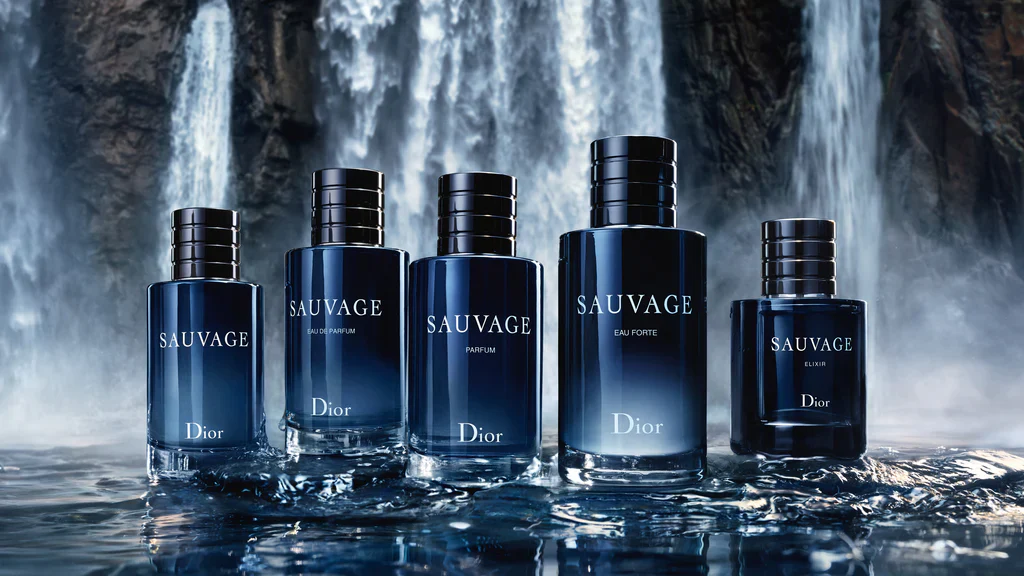
The packaging of Dior Sauvage reflects the bold, clean, and rugged nature of the fragrance. The bottle is sleek and modern, with sharp lines and a heavy glass construction that feels substantial in the hand. The fragrance is housed in a simple, yet elegant, dark blue bottle that evokes a sense of masculinity and strength, while the silver detailing adds a touch of refinement and luxury.

The design of the bottle is minimalistic, yet impactful—much like the fragrance itself. It speaks to the modern man who values simplicity and elegance but also desires something with depth and character. The Dior Sauvage bottle is instantly recognizable, and its design has contributed to the fragrance’s iconic status.

Target Audience: Who Should Wear Dior Sauvage?

Dior Sauvage is primarily aimed at men who appreciate bold, fresh, and dynamic fragrances that are versatile and easy to wear. However, the fragrance has also garnered a significant following among women who enjoy wearing woody, spicy fragrances with a masculine edge. Its universal appeal lies in its ability to balance freshness with depth, making it suitable for a wide range of tastes and preferences.

The fragrance is ideal for those who want a signature scent that is bold, yet refined, and can be worn on a variety of occasions. Sauvage is perfect for individuals who enjoy fresh, aromatic fragrances with a touch of spice and woodiness. It’s particularly suited for those who lead an active, adventurous lifestyle and want a fragrance that embodies freedom, energy, and modern masculinity.

When to Wear Dior Sauvage

Dior Sauvage is a versatile fragrance that can be worn year-round, though it is particularly suited for warmer months due to its fresh and citrusy top notes. It works well during both the day and evening, making it an excellent choice for casual outings, business meetings, or more formal events. The fragrance’s clean, fresh nature makes it suitable for daytime wear, while the depth of its base notes ensures that it is also appropriate for evening occasions.

This fragrance is ideal for those who are looking for a signature scent that can transition from one setting to another without missing a beat. Whether you are heading to a casual lunch, an evening out, or a formal dinner, Dior Sauvage is the perfect companion.

Conclusion: The Fragrance of Bold Sophistication

Dior Sauvage has solidified its place as one of the most iconic and popular fragrances of the modern era. With its fresh, invigorating top notes, warm, spicy heart, and deep, woody base, Sauvage is a fragrance that captures the essence of the modern man—bold, confident, and free-spirited. Its versatility, longevity, and distinctive character have made it a favorite among fragrance lovers around the world, and its ability to evoke a sense of strength, adventure, and sophistication ensures that it will remain a timeless classic in the world of luxury perfumery.


The Social Network: A Modern Tale of Ambition & Betrayal

radicalthought.org – Released in 2010 and directed by David Fincher, “The Social Network” is a captivating film that delves into the creation of Facebook, one of the most influential social media platforms in the world. Based on the book “The Accidental Billionaires” by Ben Mezrich, the film provides a dramatized account of Facebook’s early days, exploring themes of ambition, innovation, and the complexities of personal relationships.

Plot Overview

“The Social Network” centers around the story of Mark Zuckerberg, portrayed by Jesse Eisenberg, a Harvard student who creates a social networking site in his dorm room that eventually becomes Facebook. The film follows the tumultuous journey from the platform’s inception to its rapid growth and the ensuing legal battles. As Facebook’s success skyrockets, Zuckerberg faces lawsuits from his former best friend and co-founder, Eduardo Saverin, played by Andrew Garfield, as well as the Winklevoss twins, who claim he stole their idea.

Character Development

Jesse Eisenberg’s portrayal of Mark Zuckerberg is a study in complexity, capturing the character’s brilliance, social awkwardness, and relentless drive. Andrew Garfield delivers a powerful performance as Eduardo Saverin, whose friendship with Zuckerberg deteriorates amidst the pressures of business success. Armie Hammer’s dual role as the Winklevoss twins adds an intriguing dynamic to the narrative, highlighting themes of privilege and competition.

Themes and Influence

At its core, “The Social Network” is a story about ambition and betrayal. It explores the personal and ethical dilemmas faced by those in the tech industry as they navigate the intersection of innovation and personal integrity. The film also examines the nature of friendship and loyalty in the high-stakes world of business, prompting audiences to reflect on the cost of success.

Cultural Impact

“The Social Network” received critical acclaim for its screenplay by Aaron Sorkin, sharp dialogue, and compelling storytelling. It garnered numerous awards, including three Academy Awards. The film has sparked conversations about the origins of Facebook, the impact of social media on society, and the personalities behind the tech industry’s most influential companies.

Conclusion

“The Social Network” remains a significant film that offers both entertainment and insight into the early days of Facebook. Its exploration of ambition, technology, and human relationships continues to resonate with audiences, providing a thought-provoking look at the forces that shape our digital world. As social media continues to evolve, the film’s themes of innovation and ethical challenges remain relevant, making it a timeless piece of modern cinema.

The Evolution of Team Structures: Modern Work Environments

radicalthought.org – The evolution of team structures has been a significant aspect of organizational development, reflecting broader shifts in how work is organized and managed. As the business landscape continues to evolve, so too do the structures of teams, adapting to new challenges and opportunities. This article explores the historical evolution of team structures and how they are adapting to modern work environments.

Historical Context

Historically, most organizations operated under a hierarchical model, with clearly defined roles and a top-down approach to decision-making. This model was characterized by a rigid structure where authority flowed from the top down, and roles were strictly defined.

Modern Adaptations

Networked Organizational Structures

In recent years, there has been a shift towards networked organizational structures. These structures are characterized by their flexibility and the ability to adapt to changing circumstances. In networked structures, teams are often formed around specific projects or tasks, rather than being permanent entities within the organization.

Fluid Roles

Another significant development is the adoption of fluid roles within teams. This approach allows team members to take on different roles as needed, which can boost innovation and flexibility. It also helps in overcoming the limitations of traditional roles, which can sometimes stifle creativity and adaptability.

Benefits of Modern Team Structures

Enhanced Innovation

Fluid roles and networked structures can significantly enhance innovation within teams. By allowing team members to take on different roles and by breaking down traditional barriers, these structures foster a more dynamic and creative environment.

Improved Adaptability

Modern team structures are also better equipped to handle rapid changes in the business environment. The flexibility inherent in these structures allows teams to quickly adapt to new challenges and opportunities, which is crucial in today’s fast-paced business world.

Increased Efficiency

By organizing teams around specific projects or tasks, networked structures can lead to increased efficiency. This is because teams are focused on achieving specific outcomes, which can lead to more streamlined processes and better use of resources.

Conclusion

The evolution of team structures from hierarchical to networked and fluid models reflects a broader shift in how organizations are structured and managed. These modern adaptations offer significant benefits, including enhanced innovation, improved adaptability, and increased efficiency. As the business environment continues to evolve, it is likely that these trends will continue, with organizations increasingly adopting flexible and dynamic team structures to meet the challenges of the future.

Agriculture in Zimbabwe: From Traditional to Modern Practices

radicalthought.org – Agriculture has been the backbone of Zimbabwe’s economy, providing livelihoods to a significant portion of its population. However, the sector has faced numerous challenges, including climate variability, limited access to modern farming techniques, and the need for sustainable practices. This article explores the transition from traditional to modern agricultural practices in Zimbabwe, highlighting the government’s efforts, the challenges faced, and the potential for sustainable development.

Government Initiatives and Policies

The Zimbabwean government has been actively involved in formulating and implementing policies aimed at transforming the agricultural sector. These policies focus on sustainable agriculture development and rural transformation, recognizing the importance of modernizing farming practices to enhance productivity and resilience against climate change.

Sustainable Agriculture Development

The government’s approach to sustainable agriculture development involves integrating modern technologies and practices that are environmentally friendly and economically viable. This includes the adoption of climate-smart technologies, which are crucial for boosting agricultural production and ensuring food security in the face of climate variability.

Rural Transformation

Rural transformation policies aim to improve the living standards of smallholder farmers by providing them with access to modern farming techniques, financial services, and market opportunities. This is essential for enhancing their productivity and resilience, thereby contributing to the overall economic growth of the country.

Challenges in Adopting Modern Practices

Despite the government’s efforts, the transition from traditional to modern agricultural practices has been fraught with challenges. Many rural farmers find it difficult to adopt new farming techniques due to a lack of knowledge, financial constraints, and cultural practices that favor traditional methods.

Knowledge and Training

One of the significant barriers to the adoption of modern agricultural practices is the lack of knowledge and training among rural farmers. There is a need for comprehensive training programs that educate farmers on the benefits and techniques of modern farming, including the use of climate-smart technologies.

Financial Constraints

Financial constraints are another major challenge. Many smallholder farmers lack the resources to invest in modern farming equipment and technologies. This limits their ability to adopt practices that could significantly increase their productivity and income.

Cultural Practices

Cultural practices also play a role in hindering the adoption of modern agricultural practices. Traditional farming methods are often deeply ingrained in the culture and are favored over modern techniques due to familiarity and perceived effectiveness.

The Role of Agroecology

While traditional agricultural practices have their merits, they are not sufficient to transform African agriculture, including that of Zimbabwe. Agroecology, which emphasizes sustainable farming practices that mimic natural ecosystems, is often seen as a dead end for Africa because most African agriculture already follows its principles.

The Need for Modernization

The argument for modernizing agricultural practices in Zimbabwe is not about abandoning traditional methods but about integrating modern technologies and practices that can enhance productivity and sustainability. This includes the use of climate-smart technologies, which are essential for adapting to climate change and ensuring food security.

Conclusion

The transition from traditional to modern agricultural practices in Zimbabwe is crucial for the sustainable development of the sector. While challenges such as knowledge gaps, financial constraints, and cultural practices pose significant obstacles, the government’s initiatives and policies provide a framework for overcoming these hurdles. By focusing on sustainable agriculture development and rural transformation, Zimbabwe can enhance its agricultural productivity, improve the livelihoods of its farmers, and ensure food security for its population.

The Enigmatic Prince of Turkey: Life of a Modern Royal

radicalthought.org – The title of “Prince of Turkey” might evoke images of a bygone era, replete with palaces, ceremonial duties, and a life of privilege. However, in the modern context, the role of a prince in Turkey, a country that has been a republic since 1923, is far more nuanced and complex. This article aims to shed light on the life of a contemporary Turkish prince, exploring the historical context, the current status of the Ottoman dynasty, and the challenges and opportunities faced by its members in the 21st century.

Historical Background

The Ottoman Empire, which lasted from 1299 to 1922, was once one of the most powerful and influential empires in the world. The sultans, who were the empire’s rulers, were considered to be princes before they ascended to the throne. However, with the establishment of the Republic of Turkey in 1923, the monarchy was abolished, and the Ottoman dynasty was exiled.

The Ottoman Dynasty Today

Today, the descendants of the Ottoman dynasty live as private citizens, with no official royal status or privileges. Despite this, they remain a prominent part of Turkey’s cultural and historical landscape. The current head of the Ottoman family is Prince Dündar Osmanoğlu, who is a 43rd-generation direct descendant of Osman I, the founder of the Ottoman Empire.

Life of a Modern Prince

The life of a modern Turkish prince is vastly different from that of their ancestors. They do not have any official role in the governance of Turkey. Instead, they focus on philanthropy, business, and cultural preservation. Many members of the Ottoman family are involved in charitable organizations and initiatives aimed at supporting education, the arts, and social welfare.

Challenges and Opportunities

Being a prince in modern Turkey comes with its own set of challenges. The Ottoman descendants must navigate a delicate balance between their historical legacy and their role in contemporary society. While they are not without influence, they must be cautious not to be perceived as attempting to reclaim a lost monarchy.

Opportunities also abound for the Ottoman princes. Their unique position allows them to act as cultural ambassadors, both within Turkey and internationally. They can leverage their heritage to promote Turkish history, art, and culture, fostering a deeper understanding and appreciation of the country’s rich past.

Conclusion

The life of a prince in modern Turkey is a blend of historical legacy and modern reality. While they may not hold the same power and status as their forebears, the descendants of the Ottoman dynasty continue to play a significant role in Turkish society. Through their philanthropic efforts, cultural initiatives, and public engagements, they serve as a living bridge between Turkey’s imperial past and its dynamic present. As the country continues to evolve, so too will the role of its royal descendants, ensuring that the legacy of the Ottoman Empire remains a vibrant part of Turkey’s national identity.