
Deadlier Than the Male (1967): A Classic Espionage Thriller

radicalthought.org – “Deadlier Than the Male,” released in 1967, is a British espionage thriller directed by Ralph Thomas. The film stars Richard Johnson, Elke Sommer, and Sylva Koscina, and is inspired by the popular Bulldog Drummond novels by Sapper. Known for its blend of action, intrigue, and charm, “Deadlier Than the Male” is a quintessential example of 1960s spy cinema. This article explores the film’s plot, characters, and its place within the spy genre.

Plot Overview

The film follows insurance investigator Hugh “Bulldog” Drummond, played by Richard Johnson, as he is drawn into a world of corporate espionage and assassination. Drummond is tasked with uncovering the truth behind a series of mysterious deaths of oil executives. His investigation leads him to a pair of deadly female assassins, Irma Eckman and Penelope, portrayed by Elke Sommer and Sylva Koscina, respectively. As Drummond delves deeper, he must navigate a web of deceit and danger to solve the case.

Characters and Performances

Richard Johnson brings a suave and confident presence to the role of Hugh Drummond, embodying the classic British spy with a mix of intelligence and charisma. Elke Sommer and Sylva Koscina deliver captivating performances as the lethal and seductive assassins, adding a layer of complexity and allure to the film. Their characters challenge traditional gender roles in spy films, making them memorable and intriguing adversaries.

Cinematic Elements

The direction by Ralph Thomas captures the essence of the 1960s spy thriller, with a focus on stylish visuals and fast-paced action sequences. The film’s exotic locations and glamorous settings enhance the narrative, offering viewers a glimpse into the high-stakes world of espionage. The score by Malcolm Lockyer complements the film’s tone, adding to the suspense and excitement.

Impact and Legacy

“Deadlier Than the Male” holds a special place in the spy genre, particularly for its portrayal of strong, independent female antagonists. The film’s mix of wit, action, and intrigue has influenced subsequent spy movies and remains an entertaining watch for fans of classic cinema. Its success led to a sequel, “Some Girls Do,” further cementing its legacy.

Conclusion

In conclusion, “Deadlier Than the Male” is a captivating espionage thriller that showcases the allure and danger of the spy world. With its engaging plot, dynamic characters, and stylish execution, the film continues to be a favorite among fans of the genre. Whether you’re a long-time admirer of spy films or new to the genre, “Deadlier Than the Male” offers a thrilling and memorable cinematic experience.
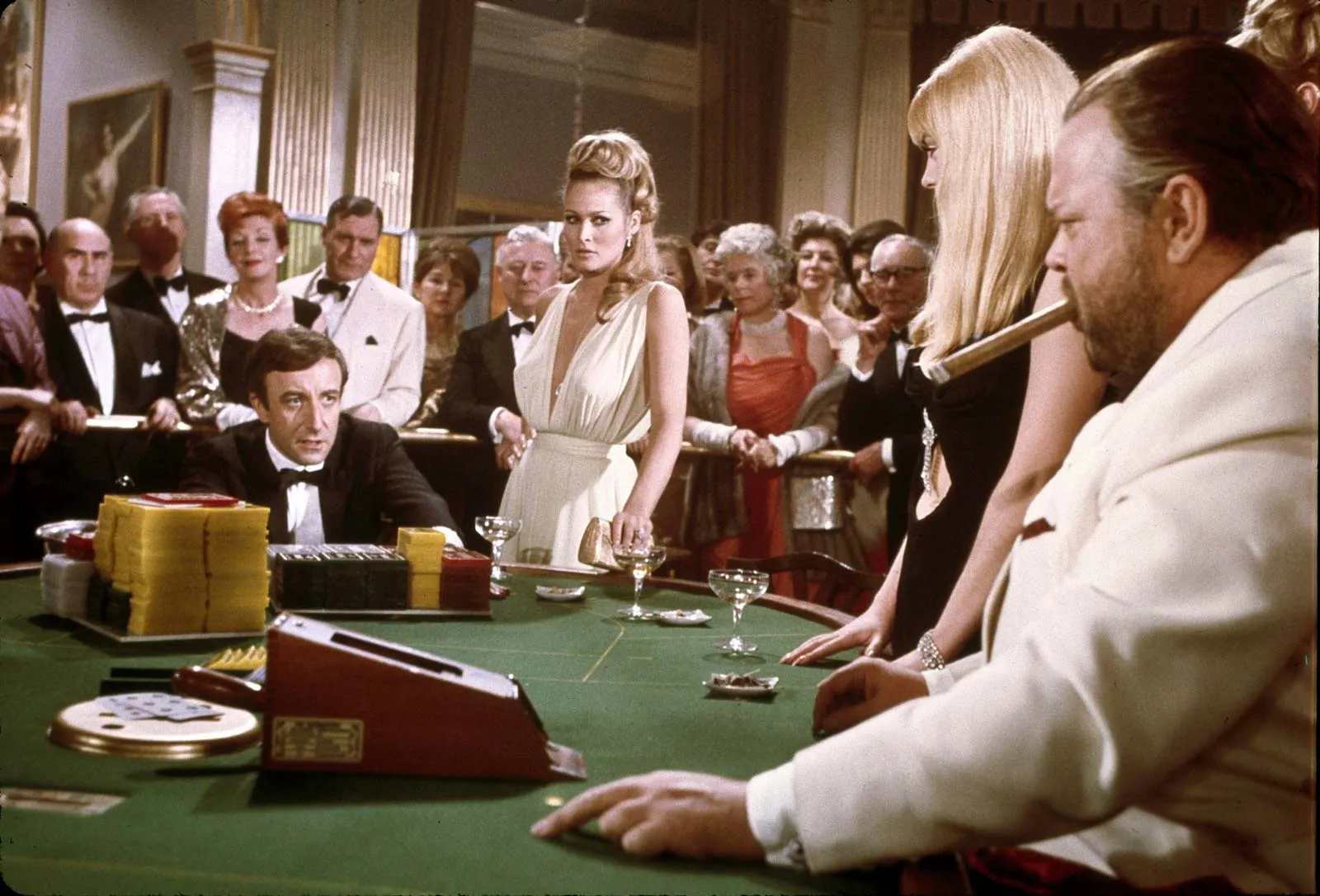

“Casino Royale” (1967): A Comic Twist on Espionage

radicalthought.org – “Casino Royale,” released in 1967, is a unique entry in the James Bond filmography. Unlike the traditional Bond thrillers, this film is a comedic parody that takes a playful and irreverent approach to the spy genre. With a star-studded cast and a chaotic storyline, “Casino Royale” offers a distinctly different take on the suave secret agent.

A Parodic Spin on Bond

“Casino Royale” diverges from the standard James Bond formula by presenting a satirical and farcical interpretation of the iconic character. The film follows the original Bond, Sir James Bond (played by David Niven), who is coaxed out of retirement to confront a mysterious organization, SMERSH, intent on global domination. In a bizarre twist, multiple characters assume the name “James Bond” as a ploy to confuse their enemies, adding to the film’s comedic chaos.

Star-Studded Cast and Direction

The film boasts an impressive ensemble cast, including Peter Sellers, Ursula Andress, Orson Welles, and Woody Allen, each contributing to the comedic flair of the narrative. David Niven’s portrayal of the distinguished Sir James Bond offers a stark contrast to the more traditional depictions of the character, infusing the role with wit and humor.

“Casino Royale” is notable for its unconventional production, involving multiple directors, including John Huston, Ken Hughes, and Robert Parrish. The result is a film with a distinctive, albeit disjointed, style that reflects the varied comedic sensibilities of its contributors.

A Chaotic Plot and Unique Style

The plot of “Casino Royale” is intentionally convoluted, weaving together numerous subplots and comedic set pieces. From a baccarat game with the villainous Le Chiffre (played by Orson Welles) to a climactic battle in a psychedelic casino, the film embraces absurdity at every turn.

The film’s visual style is equally eclectic, incorporating elements of 1960s pop culture and psychedelic aesthetics. The extravagant set designs, colorful costumes, and imaginative sequences contribute to the film’s distinctively surreal atmosphere.

Legacy and Reception

While “Casino Royale” received mixed reviews upon its release, with some critics praising its humor and others lamenting its lack of coherence, it has since gained a cult following for its audacious approach. The film stands as a testament to the enduring appeal of the James Bond character, capable of inspiring both serious and satirical interpretations.

In conclusion, “Casino Royale” (1967) offers a comedic and unconventional take on the James Bond legacy, providing a playful counterpoint to the more traditional films in the series. Its blend of humor, star power, and chaotic storytelling makes it a memorable and entertaining entry in the world of cinematic parodies. For fans of both Bond and comedy, “Casino Royale” is a quirky and enjoyable exploration of the spy genre’s lighter side.

The Psychology of Espionage: Mind Games & Manipulation

radicalthought.org – Espionage, the practice of obtaining secret or confidential information without the permission of the holder of the information, is a complex and multifaceted activity that involves a deep understanding of human psychology. The success of espionage often hinges on the ability to manipulate and deceive others, making the psychological aspects of this field crucial. This article delves into the psychological tactics and manipulations employed in espionage, drawing from various expert analyses and studies.

Understanding the Motivations

Espionage is not solely driven by external factors such as financial gain or political ideology. Internal psychological factors play a significant role in motivating individuals to engage in espionage. These factors can include personality pathologies, vulnerabilities, and personal grievances. Understanding these motivations is essential for both those involved in espionage and those working in counterintelligence.

The Role of Manipulation

Manipulation is a cornerstone of espionage. Spies often use psychological tactics to influence their targets, making them more susceptible to providing sensitive information. These tactics can include:

1. Building Trust

Spies often spend considerable time and effort building trust with their targets. This can involve creating a sense of camaraderie or shared interests, making the target more likely to confide in the spy.

2. Exploiting Vulnerabilities

Understanding and exploiting the vulnerabilities of the target is another common tactic. This can involve identifying personal weaknesses, financial difficulties, or emotional insecurities that can be leveraged to gain cooperation.

3. Deception and Misdirection

Deception is a fundamental aspect of espionage. Spies use various forms of deception to mislead their targets, such as creating false identities, fabricating stories, or using sophisticated technology to hide their true intentions.

The Psychological Impact on Spies

Engaging in espionage can have profound psychological effects on the spies themselves. The constant need for secrecy, the risk of being caught, and the moral dilemmas involved can lead to significant stress and anxiety. Some spies may experience guilt or a sense of betrayal, especially if their actions conflict with their personal values.

Counterintelligence and Psychological Defense

For those working in counterintelligence, understanding the psychological tactics used in espionage is crucial. By recognizing the signs of manipulation and deception, counterintelligence agents can better protect sensitive information and identify potential threats. This includes:

1. Behavioral Analysis

Analyzing the behavior patterns of individuals who may be at risk of engaging in espionage can help in early detection and intervention. This involves looking for changes in behavior, unusual financial transactions, or sudden shifts in loyalty.

2. Psychological Profiling

Developing psychological profiles of potential spies can aid in predicting their behavior and identifying vulnerabilities that can be exploited to prevent espionage.

3. Training and Awareness

Providing training to individuals who handle sensitive information can help them recognize and resist manipulation. This includes teaching them about common psychological tactics used in espionage and how to maintain their integrity under pressure.

Conclusion

The psychology of espionage is a complex and dynamic field that involves a deep understanding of human behavior and manipulation. By studying the motivations, tactics, and psychological impacts of espionage, both spies and counterintelligence agents can better navigate the intricate world of intelligence gathering and protection. Understanding these psychological aspects is not only crucial for operational success but also for maintaining the ethical and moral standards of those involved in espionage activities.