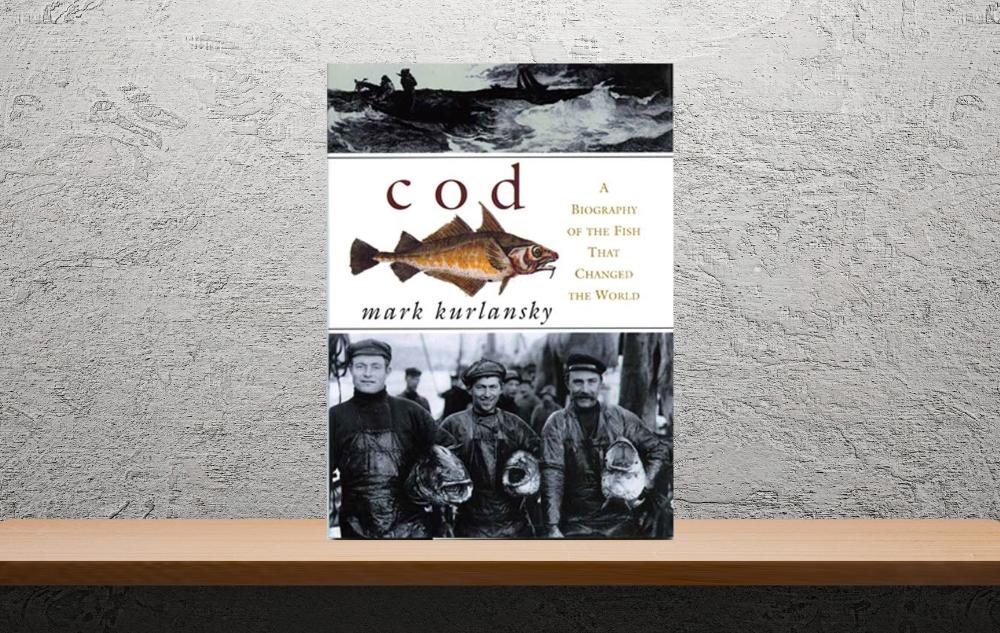
Cod: A Biography of the Fish that Changed the World

radicalthought.org – Mark Kurlansky’s “Cod: A Biography of the Fish that Changed the World” provides readers with a fascinating account of the cod fish’s profound impact on global history and culture. Through a compelling narrative, Kurlansky chronicles the pivotal role cod has played in shaping economies, influencing trade routes, and altering the course of empires, offering a unique perspective on how a single species can drive historical change.

The Historical Significance of Cod

Kurlansky begins by exploring the early days of cod fishing, highlighting how this seemingly ordinary fish became a staple in diets across Europe. The book details how the abundance of cod off the Newfoundland coast attracted European explorers and settlers, setting the stage for centuries of fishing that would transform economies and societies. Cod’s ability to be easily preserved through salting made it a valuable commodity, fueling trade and exploration.

Cod and Economic Power

The book delves into the economic power of cod, illustrating how it became a cornerstone of the Atlantic economy. Kurlansky discusses the development of fishing technologies and the establishment of international trade routes centered around cod. He explains how cod fishing influenced the rise of maritime powers, including the British Empire and the American colonies, and how disputes over fishing rights have sparked conflicts.

The Environmental and Cultural Impact

Kurlansky also addresses the environmental and cultural impact of cod fishing. He examines the consequences of overfishing and the depletion of cod stocks, shedding light on the ecological challenges faced by modern fisheries. Additionally, the book explores the cultural significance of cod in various societies, from culinary traditions to its symbolic representation in folklore and art.

Conclusion

“Cod: A Biography of the Fish that Changed the World” is a captivating exploration of the historical, economic, and cultural influence of a single fish species. Mark Kurlansky’s insightful narrative reveals the complex interplay between nature and human society, offering readers a deeper understanding of how the humble cod has shaped the world. Through this biography, Kurlansky not only tells the story of a fish but also reflects on broader themes of sustainability, economic ambition, and cultural evolution.

E-books and the Future of Reading: The Digital Page

radicalthought.org – In the age of digital transformation, the way we consume literature has undergone a significant revolution. The advent of e-books has not only changed the format in which we read but also the manner in which we access, store, and interact with written content. This article explores the rise of e-books, their impact on traditional reading habits, and the future landscape of reading in a digital world.

The Rise of E-books:
E-books, or electronic books, are digital publications that can be read on various devices such as e-readers, tablets, smartphones, and computers. The concept of e-books dates back to the 1970s, but it wasn’t until the late 2000s, with the introduction of devices like the Amazon Kindle and the Apple iPad, that e-books began to gain mainstream popularity.

The convenience of carrying an entire library in a single device, the ability to adjust font sizes and styles, and features like search and highlight have made e-books an attractive option for many readers. Additionally, the environmental benefits of reducing paper waste have resonated with eco-conscious consumers.

Impact on Traditional Reading Habits:
The rise of e-books has had a profound impact on traditional reading habits and the publishing industry. While some readers remain loyal to the tactile experience of printed books, many have embraced the digital format. This shift has led to a decline in print sales in certain genres, particularly in areas where e-books offer clear advantages, such as travel guides, reference books, and genre fiction.

Publishers have had to adapt by offering their catalogs in multiple formats to cater to different reading preferences. Libraries, too, have expanded their services to include digital lending, allowing patrons to borrow e-books and audiobooks online.

The Future Landscape of Reading:
As technology continues to evolve, the future of reading is likely to become even more digital. Advances in e-reader technology, such as higher resolution screens that mimic the experience of reading on paper, and the integration of augmented reality (AR) and virtual reality (VR) could transform e-books into immersive experiences.

Personalization is another area where e-books have the potential to revolutionize reading. Adaptive learning algorithms could tailor the reading experience to individual preferences, adjusting the text’s complexity, style, or even content based on the reader’s history and feedback.

Moreover, the democratization of publishing through platforms like Amazon’s Kindle Direct Publishing has allowed independent authors to reach a global audience without the need for traditional gatekeepers. This has led to a proliferation of self-published works and has changed the dynamics of the author-reader relationship.

Conclusion:
The digital page represents more than just a shift in reading format; it symbolizes a broader transformation in how we engage with literature. E-books have opened up new possibilities for readers and authors alike, offering convenience, accessibility, and a platform for innovation.

While the debate between digital and print may continue, it is clear that e-books have secured their place in the future of reading. As we look ahead, the digital page will likely become even more integrated into our daily lives, blurring the lines between reading, learning, and interactive experiences. The future of reading is not about choosing between paper and pixels but about embracing the rich tapestry of options that both can offer.