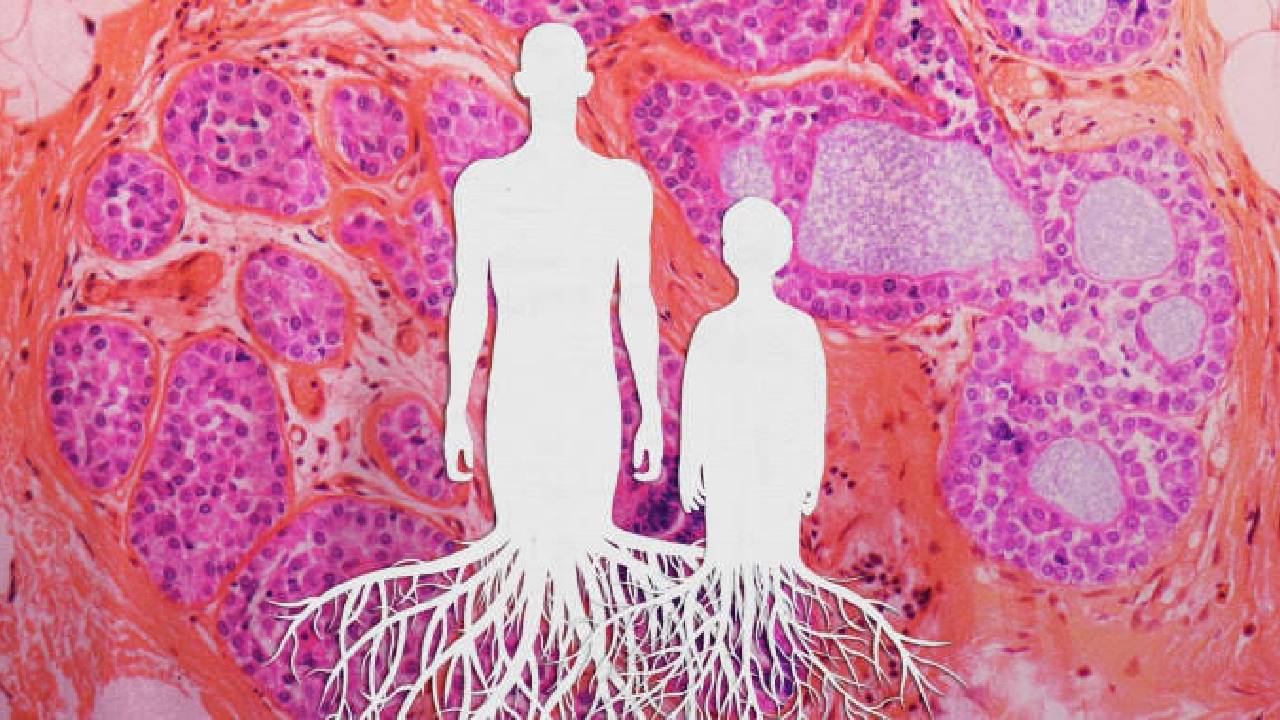
Understanding Hereditary Cancer Risks: The Genetic Link

radicalthought.org – Cancer is a complex disease influenced by a multitude of factors, including genetics, lifestyle, and environmental exposures. While not all cancers are hereditary, a significant portion can be attributed to genetic mutations passed down through generations. Understanding the genetic link to cancer can empower individuals and families to take proactive steps in managing their health and potentially reducing their risk of developing the disease.

The Basics of Hereditary Cancer

Hereditary cancer is caused by gene mutations that are passed from parent to child. These mutations can significantly increase the risk of developing certain types of cancer. It’s important to note that having a genetic mutation does not guarantee that cancer will develop, but it does increase the likelihood.

Common Hereditary Cancer Syndromes

Several hereditary cancer syndromes have been identified, each associated with specific genetic mutations and cancer risks. Some of the most well-known include:

  • BRCA1 and BRCA2 mutations: These mutations are most commonly associated with an increased risk of breast and ovarian cancer, but they can also increase the risk of other cancers, such as pancreatic and prostate cancer.
  • Lynch syndrome (hereditary nonpolyposis colorectal cancer, or HNPCC): This syndrome is linked to a higher risk of colon, endometrial, and other cancers.
  • Li-Fraumeni syndrome: This syndrome is associated with a mutation in the TP53 gene, which can lead to a variety of cancers, including breast cancer, sarcomas, brain tumors, and leukemia.

Identifying Hereditary Cancer Risks

Identifying hereditary cancer risks typically involves a thorough family history analysis and, in many cases, genetic testing. A detailed family history can reveal patterns of cancer that may suggest a hereditary component. Genetic testing can then be used to confirm or rule out specific genetic mutations.

The Role of Genetic Counseling

Genetic counseling is a critical component of understanding hereditary cancer risks. A genetic counselor can help interpret family history and genetic test results, provide information about cancer risks, and discuss options for cancer screening and risk reduction.

Managing Hereditary Cancer Risks

For individuals with hereditary cancer risks, managing those risks can involve a combination of regular cancer screenings, lifestyle modifications, and, in some cases, preventive surgeries or medications. It’s important for individuals to work closely with their healthcare providers to develop a personalized risk management plan.

Conclusion

Understanding the genetic link to cancer is a powerful tool in the fight against the disease. By recognizing hereditary cancer risks and taking proactive steps to manage those risks, individuals and families can significantly impact their cancer prevention and management strategies. As research in genetics and cancer continues to evolve, the ability to identify and mitigate hereditary cancer risks will only improve, offering hope for a future where cancer’s impact is greatly diminished.

The Critical Role of Sun Protection: Skin Cancer

radicalthought.org – Skin cancer is a pressing public health issue, with cases on the rise globally. The most preventable type of cancer, its incidence is closely linked to exposure to ultraviolet (UV) radiation from the sun. Understanding the importance of sun protection is not just a matter of maintaining healthy skin but a critical step in preventing skin cancer. This article delves into the risks associated with UV exposure, the types of skin cancer, and the essential practices of sun protection that can safeguard against this common form of cancer.

The Risks of UV Exposure:
Ultraviolet radiation from the sun is classified into two main types: UVA and UVB. Both can cause damage to the skin, leading to premature aging and an increased risk of skin cancer. UVB rays are more intense and are primarily responsible for sunburns, while UVA rays can penetrate deeper into the skin, contributing to long-term damage. Overexposure to either type of UV radiation can lead to mutations in skin cells, potentially resulting in cancer.

Types of Skin Cancer:
There are three main types of skin cancer: basal cell carcinoma (BCC), squamous cell carcinoma (SCC), and melanoma. BCC and SCC are more common and typically less aggressive, while melanoma is more dangerous and can be life-threatening if not detected early. Each type of skin cancer is linked to UV exposure, making sun protection a vital preventative measure.

The Importance of Sun Protection:
Sun protection is a multi-faceted approach that includes several key practices:

  1. Sunscreen: Applying a broad-spectrum sunscreen with an SPF of at least 30 is crucial. It should be applied generously and reapplied every two hours, or more frequently if swimming or sweating. Sunscreen should be used year-round, not just during the summer months, as UV rays can be harmful even on cloudy days.
  2. Seeking Shade: Avoiding the sun during peak hours, typically between 10 a.m. and 4 p.m., when the sun’s rays are strongest, can significantly reduce UV exposure. Seeking shade under trees, umbrellas, or canopies is a simple yet effective way to protect the skin.
  3. Protective Clothing: Wearing clothing that covers the skin, such as long-sleeved shirts, pants, and wide-brimmed hats, can provide an additional layer of protection. Clothing made from tightly woven fabrics offers better UV protection. There are also specially designed UV-protective clothing items available.
  4. Sunglasses: UV radiation can also harm the eyes, potentially leading to cataracts and other eye diseases. Wearing sunglasses that block 99 to 100 percent of UVA and UVB rays can protect the eyes and the delicate skin around them.
  5. Regular Skin Exams: Early detection is key to successful treatment of skin cancer. Regular self-exams and professional skin checks by a dermatologist can help identify suspicious changes in moles or new growths that may require further investigation.

Conclusion:
Skin cancer is a significant health concern, but it is largely preventable with consistent and diligent sun protection. By understanding the risks of UV exposure and adopting a comprehensive approach to sun safety, individuals can significantly reduce their risk of developing skin cancer. It is essential for everyone, regardless of age, skin type, or geographic location, to prioritize sun protection as a fundamental aspect of a healthy lifestyle. Let’s make sun safety a habit and protect ourselves and our loved ones from the harmful effects of UV radiation.