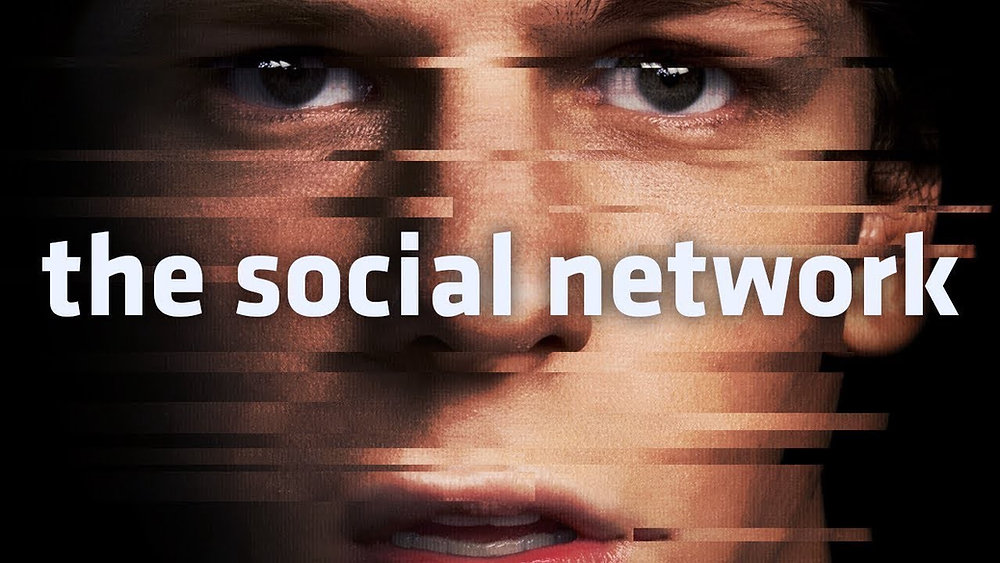
radicalthought.org – Released in 2010 and directed by David Fincher, “The Social Network” is a captivating film that delves into the creation of Facebook, one of the most influential social media platforms in the world. Based on the book “The Accidental Billionaires” by Ben Mezrich, the film provides a dramatized account of Facebook’s early days, exploring themes of ambition, innovation, and the complexities of personal relationships.
Plot Overview
“The Social Network” centers around the story of Mark Zuckerberg, portrayed by Jesse Eisenberg, a Harvard student who creates a social networking site in his dorm room that eventually becomes Facebook. The film follows the tumultuous journey from the platform’s inception to its rapid growth and the ensuing legal battles. As Facebook’s success skyrockets, Zuckerberg faces lawsuits from his former best friend and co-founder, Eduardo Saverin, played by Andrew Garfield, as well as the Winklevoss twins, who claim he stole their idea.
Character Development
Jesse Eisenberg’s portrayal of Mark Zuckerberg is a study in complexity, capturing the character’s brilliance, social awkwardness, and relentless drive. Andrew Garfield delivers a powerful performance as Eduardo Saverin, whose friendship with Zuckerberg deteriorates amidst the pressures of business success. Armie Hammer’s dual role as the Winklevoss twins adds an intriguing dynamic to the narrative, highlighting themes of privilege and competition.
Themes and Influence
At its core, “The Social Network” is a story about ambition and betrayal. It explores the personal and ethical dilemmas faced by those in the tech industry as they navigate the intersection of innovation and personal integrity. The film also examines the nature of friendship and loyalty in the high-stakes world of business, prompting audiences to reflect on the cost of success.
Cultural Impact
“The Social Network” received critical acclaim for its screenplay by Aaron Sorkin, sharp dialogue, and compelling storytelling. It garnered numerous awards, including three Academy Awards. The film has sparked conversations about the origins of Facebook, the impact of social media on society, and the personalities behind the tech industry’s most influential companies.
Conclusion
“The Social Network” remains a significant film that offers both entertainment and insight into the early days of Facebook. Its exploration of ambition, technology, and human relationships continues to resonate with audiences, providing a thought-provoking look at the forces that shape our digital world. As social media continues to evolve, the film’s themes of innovation and ethical challenges remain relevant, making it a timeless piece of modern cinema.