
Drive: The Art of Motivation

radicalthought.org – Motivation is the driving force behind all human actions and endeavors. It is the invisible hand that guides us towards our goals, pushing us to overcome obstacles and strive for excellence. But what exactly is motivation, and how can we harness its power to achieve our full potential?

The Psychology of Motivation

At its core, motivation is a psychological construct that encompasses the reasons behind an individual’s actions, desires, and needs. Psychologists have long studied motivation, breaking it down into two main types: intrinsic and extrinsic. Intrinsic motivation comes from within, driven by personal interest or enjoyment in the task itself. Extrinsic motivation, on the other hand, is driven by external rewards or pressures, such as money, grades, or praise.

The Role of Goal Setting

One of the most effective ways to cultivate motivation is through goal setting. Setting clear, achievable goals gives us a roadmap to follow and provides a sense of direction. Goals should be specific, measurable, attainable, relevant, and time-bound (SMART) to ensure they are effective in driving motivation.

The Power of Positive Reinforcement

Positive reinforcement is a powerful tool in the art of motivation. By rewarding desired behaviors, we increase the likelihood that those behaviors will be repeated. This can be done through self-rewards or through recognition from others. It’s important to note that the rewards should be meaningful and relevant to the individual to be effective.

Overcoming Obstacles

No journey is without its challenges, and motivation is no exception. Obstacles such as fear of failure, lack of resources, or loss of interest can derail even the most motivated individual. The key to overcoming these obstacles is resilience and adaptability. By maintaining a positive mindset and being willing to adjust our strategies, we can keep motivation alive even in the face of adversity.

The Importance of Self-Care

In the pursuit of our goals, it’s easy to overlook the importance of self-care. However, taking care of our physical and mental health is crucial for maintaining long-term motivation. This includes getting enough sleep, eating a balanced diet, exercising regularly, and practicing stress-reduction techniques.

Conclusion

Motivation is a complex and multifaceted phenomenon that plays a critical role in our personal and professional lives. By understanding the psychology behind motivation, setting clear goals, using positive reinforcement, overcoming obstacles, and prioritizing self-care, we can master the art of motivation and achieve our highest aspirations.
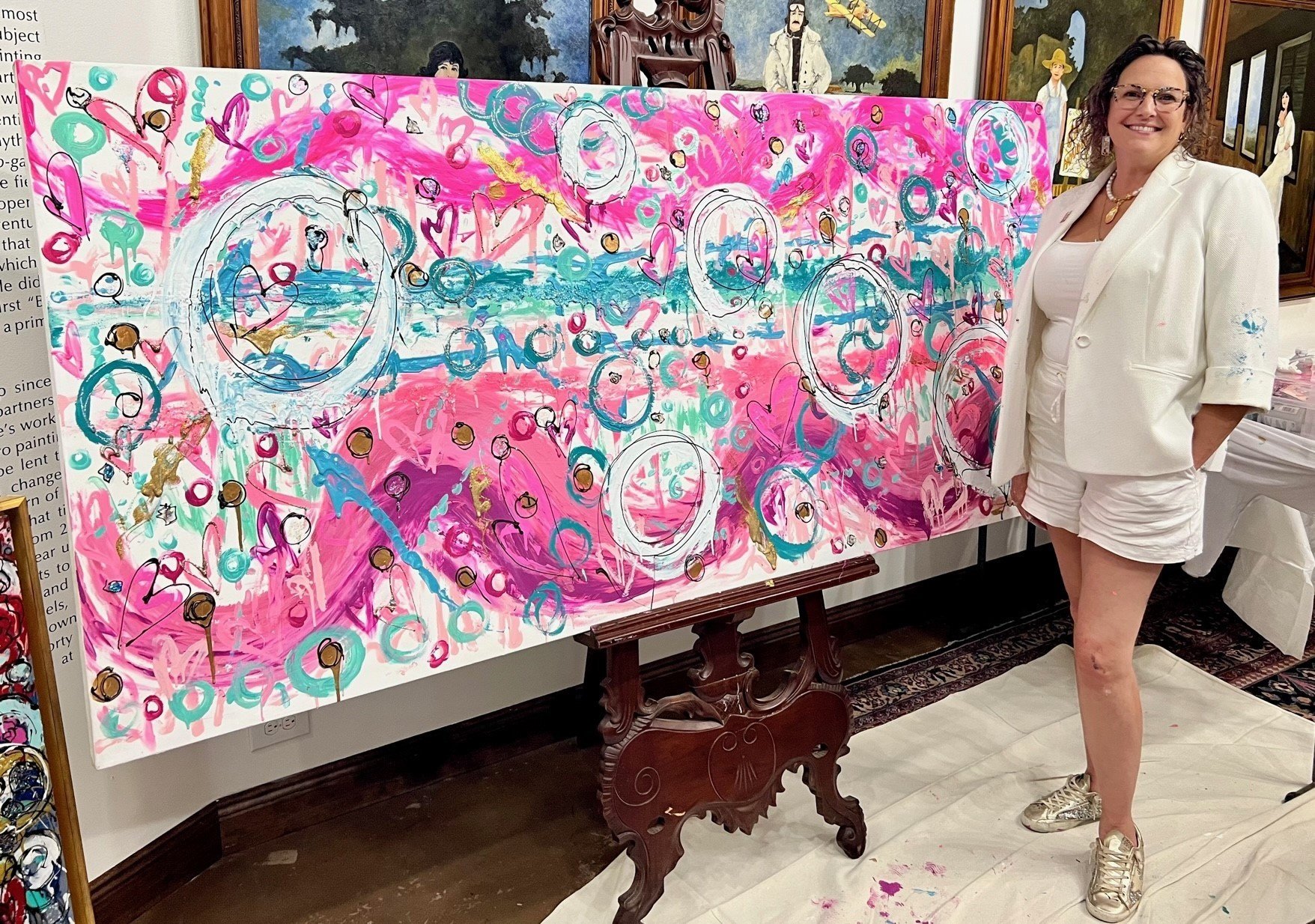
Deaf Artists and Their Art: The Symphony in Silence

radicalthought.org – In a world where sound often dictates the rhythm of life, there exists a vibrant community of artists who experience the world in a profoundly different way. Deaf artists, with their unique perspectives, have created a rich and diverse body of work that transcends the auditory to engage the senses in new and innovative ways. Their art, often described as a “symphony in silence,” challenges societal norms, breaks down barriers, and invites the hearing world to experience the beauty of silence.

The journey of deaf artists is one of resilience and creativity. Many have faced challenges in a world that is not always accommodating to those who do not hear. Yet, these challenges have not hindered their artistic pursuits; rather, they have fueled their creativity, pushing them to explore new mediums and methods of expression. Deaf artists often use their work to communicate their experiences, to educate, and to advocate for the deaf community, bridging the gap between the deaf and hearing worlds.

Visual art is a natural medium for deaf artists, as it does not rely on sound. Painting, sculpture, and photography are among the many forms that deaf artists have mastered. Their work often reflects a heightened visual awareness, with a focus on color, texture, and form that can be deeply moving and visually striking. Deaf artists like Chuck Baird and Betty G. Miller have gained recognition for their contributions to the art world, with their works featured in galleries and museums around the world.

Performance art is another area where deaf artists have made significant contributions. Dance, theater, and performance art provide a platform for deaf artists to express themselves through movement and visual storytelling. Companies like Deaf West Theatre and organizations like the National Theatre of the Deaf have been instrumental in bringing deaf performance art to the mainstream, showcasing the beauty and complexity of sign language and deaf culture.

Music, an art form traditionally associated with sound, has also been explored by deaf artists. Composers like Evelyn Glennie, who is hard of hearing, have demonstrated that creating and appreciating music is not solely about hearing. Glennie, a virtuoso percussionist, “feels” the music through vibrations and has developed a unique way of experiencing and interpreting sound. Her performances are a testament to the idea that music can be a universal language, transcending the auditory to engage the entire body.

The digital age has provided new opportunities for deaf artists to share their work with the world. Social media platforms and online galleries have democratized the art world, allowing deaf artists to reach a global audience without the traditional gatekeepers. This has led to a renaissance of sorts, with a new generation of deaf artists gaining recognition and influencing the broader art community.

The art of deaf artists is more than just a collection of works; it is a powerful form of advocacy. By sharing their experiences and perspectives, deaf artists challenge misconceptions and stereotypes about deafness and disability. Their art promotes inclusivity and accessibility, encouraging the hearing world to listen in new ways.

In conclusion, the symphony in silence composed by deaf artists is a testament to the human spirit’s capacity for creativity and resilience. Their art transcends the boundaries of sound, inviting us all to experience the world through different senses. As we continue to explore the rich contributions of deaf artists, we are reminded that diversity in perspective enriches us all, and that silence, too, can be a canvas for the most profound expressions of the human experience.