
Rice: A Global Staple Food – A Versatile Grain

radicalthought.org – Rice, a staple food for billions of people worldwide, is a versatile grain with a rich history. Its cultivation dates back thousands of years to ancient civilizations in Asia. Today, rice is a cornerstone of many cultures, especially in East Asia, Southeast Asia, South Asia, and parts of Africa and Latin America.

Types of Rice

There are numerous varieties of rice, each with its unique characteristics and culinary uses. Some of the most common types include:

  • Long-Grain Rice: This type of rice has long, slender grains that separate easily when cooked. It is commonly used in pilafs, stir-fries, and sushi.
  • Medium-Grain Rice: This rice has shorter, wider grains than long-grain rice. It is often used in casseroles, puddings, and other dishes.
  • Short-Grain Rice: This type of rice has short, round grains that become sticky when cooked. It is ideal for sushi, rice cakes, and other sticky rice dishes.
  • Wild Rice: This is not true rice but rather the seed of an aquatic grass. It has a nutty flavor and is often used in soups, salads, and as a side dish.

The Cultivation of Rice

Rice cultivation is a complex process that requires specific environmental conditions, including abundant water and warm temperatures. Rice is typically grown in flooded fields, where the plants are submerged in water for most of their growth cycle.

The Nutritional Value of Rice

Rice is a good source of carbohydrates, which provide energy. It also contains essential vitamins and minerals, such as thiamine, niacin, and iron. Brown rice, a whole-grain variety, is particularly nutritious as it retains the bran and germ, which are rich in fiber and other nutrients.

Rice in Global Cuisine

Rice is a key ingredient in countless cuisines around the world. In Asian cuisine, rice is often served with various dishes, such as stir-fries, curries, and soups. In Latin America, rice is a staple food and is often cooked with beans, vegetables, and meat. In the Middle East, rice is used in pilafs and other dishes, often flavored with spices like saffron and cardamom.

The Future of Rice

As the global population continues to grow, the demand for rice is expected to increase. Scientists and farmers are working to develop new rice varieties that are more resilient to climate change, pests, and diseases. Additionally, there is a growing interest in sustainable rice cultivation practices to minimize environmental impact and ensure food security for future generations.

Anja Rubik: A Global Fashion Icon – A Polish Beauty

radicalthought.org – Anja Rubik, born Anna Helena Rubik on June 12, 1983, in Rzeszów, Poland, is an internationally renowned model, activist, philanthropist, and entrepreneur. With her striking beauty, androgynous features, and commanding presence, Rubik has consistently graced the catwalks and covers of the world’s most prestigious fashion magazines.

Early Career and Rise to Fame

Rubik’s modeling career took off in the late 1990s. Discovered at the age of 16, she quickly became a sought-after model, gracing the covers of Vogue, Harper’s Bazaar, and Elle. Her distinctive look, a blend of classic beauty and modern edge, made her a favorite among top fashion photographers like Steven Meisel, Mario Testino, and Peter Lindbergh.

A Global Fashion Icon

Rubik’s influence on the fashion industry is undeniable. She has walked the runways of the world’s top fashion houses, including Chanel, Dior, Prada, and Versace. Her androgynous beauty and fearless attitude have challenged traditional notions of femininity and beauty, making her a symbol of modern womanhood.

Beyond the Runway

In addition to her modeling career, Rubik is a passionate advocate for various social causes. She is a founder of SEXEDpl, a foundation dedicated to promoting comprehensive sex education in Poland. She is also actively involved in supporting women’s rights and the LGBTQ+ community.

Rubik’s impact extends beyond the fashion industry. She has ventured into the world of entrepreneurship, launching her own clothing line and collaborating with various brands. Her unique perspective and strong sense of style have made her a successful businesswoman.

A Timeless Icon

Anja Rubik’s legacy as a global fashion icon is secure. Her influence on the fashion industry continues to inspire and shape trends. As she continues to evolve and break boundaries, she remains a powerful force in the world of fashion and beyond.

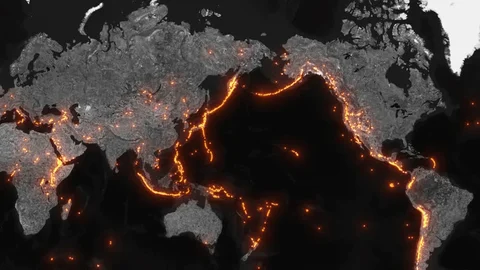
Understanding Global Hotspots: Dangerous Territories

radicalthought.org – Around the globe, certain regions stand out as hotspots of danger due to a combination of natural, political, and social factors. Understanding these territories is crucial for enhancing global security, promoting peace, and preparing for natural disasters. This article examines some of the world’s most dangerous hotspots, exploring the underlying causes and potential solutions to mitigate their risks.

Volatility in the Middle East

The Middle East has long been a focus of geopolitical tension and conflict. Factors such as political instability, religious and ethnic divisions, and competition for resources contribute to its volatility. Understanding the historical and cultural complexities of the region is essential for fostering dialogue and pursuing diplomatic solutions. International cooperation and peace-building efforts remain critical to reducing tensions and promoting stability.

The Ring of Fire: Pacific Ocean

The Pacific Ring of Fire is an area with high seismic activity, including frequent earthquakes and volcanic eruptions. Countries like Japan, Indonesia, and Chile face significant risks from these natural disasters. Advances in technology, such as early warning systems and resilient infrastructure, are key to mitigating the impacts. Collaborative research and information sharing among nations can enhance preparedness and response efforts.

Climate Change Threats in the Arctic

The Arctic region is experiencing rapid changes due to climate change, leading to melting ice caps, rising sea levels, and shifting ecosystems. These changes pose threats to indigenous communities and global weather patterns. Understanding the implications of Arctic warming is crucial for developing policies to combat climate change. International agreements and sustainable practices are necessary to protect this fragile environment.

Political Instability in Sub-Saharan Africa

Sub-Saharan Africa is home to numerous countries facing political instability, often stemming from factors such as poverty, corruption, and ethnic conflict. Addressing these challenges requires a multifaceted approach, including promoting good governance, economic development, and social cohesion. International aid and partnerships can support efforts to build stable and inclusive societies.

Natural Disasters in the Caribbean

The Caribbean region is highly susceptible to hurricanes, which cause devastating impacts on communities and economies. Understanding the patterns and drivers of these natural disasters is essential for improving resilience. Investing in infrastructure, disaster preparedness, and climate adaptation strategies can help mitigate the risks and enhance the region’s ability to recover and thrive.

Conclusion

Global hotspots present significant challenges, but they also offer opportunities for learning and collaboration. By understanding the complexities of these dangerous territories, we can develop effective strategies to address the underlying causes and build a more secure and sustainable future. Cooperation, innovation, and informed policy-making are key to navigating the risks and ensuring the well-being of affected communities worldwide.

The FBI’s International Reach: Global Operations & Partnerships

radicalthought.org – The Federal Bureau of Investigation (FBI) is renowned for its domestic law enforcement and intelligence operations within the United States. However, the scope of its activities extends far beyond national borders, engaging in a myriad of international operations and forging critical partnerships worldwide. This global reach is essential in an era where crime and security threats are increasingly transnational.

The Evolution of the FBI’s International Role

The FBI’s international engagement began in earnest during the mid-20th century, primarily focused on counterintelligence and the pursuit of fugitives who had fled the United States. Over time, the nature of global threats evolved, leading to a significant expansion of the FBI’s international footprint. Today, the agency plays a pivotal role in combating terrorism, cybercrime, and other transnational threats.

Legal Attachés: The FBI’s Eyes and Ears Abroad

The FBI’s international presence is primarily facilitated through its network of Legal Attachés (Legats), stationed in U.S. embassies and consulates around the world. These Legats serve as the FBI’s official representatives, liaising with foreign law enforcement agencies, intelligence services, and international organizations. They play a crucial role in information sharing, joint investigations, and operational coordination.

As of 2024, the FBI has over 60 Legats across the globe, reflecting its commitment to a broad international engagement strategy. These offices are strategically located in regions with significant security challenges, including the Middle East, Europe, and Asia.

Joint Operations and Task Forces

The FBI frequently participates in joint operations and task forces with international partners. These collaborative efforts are essential in addressing complex and transnational threats that no single agency can tackle alone. Examples include the Joint Terrorism Task Forces (JTTFs), which bring together FBI agents, local law enforcement, and international partners to combat terrorism.

Cybercrime is another area where international collaboration is critical. The FBI works closely with Interpol, Europol, and other international bodies to investigate and disrupt cybercriminal networks. Operation Endgame, mentioned earlier, is a prime example of such collaboration, involving multiple countries and agencies.

Challenges and Controversies

Despite the successes of international collaboration, the FBI faces several challenges in its global operations. Legal and jurisdictional issues can complicate cross-border investigations, requiring careful navigation of international laws and treaties. Additionally, political sensitivities and differences in law enforcement practices can strain partnerships.

Privacy and civil liberties concerns also arise in the context of international surveillance and intelligence sharing. The FBI must balance its operational needs with respect for individual rights, both at home and abroad.

The Future of the FBI’s International Engagement

Looking ahead, the FBI’s international role is likely to expand further, driven by the evolving nature of global threats. Emerging technologies, such as artificial intelligence and encryption, present new challenges for law enforcement. The FBI will need to adapt its strategies and enhance its international partnerships to stay ahead of these threats.

Conclusion

The FBI’s international reach is a testament to the agency’s commitment to protecting national security in an interconnected world. Through its network of Legal Attachés, joint operations, and strategic partnerships, the FBI plays a vital role in combating transnational crime and terrorism. As global threats continue to evolve, the FBI’s global operations and partnerships will remain a critical component of its mission.

Global Conflict and Its Impact on the World: World War II

radicalthought.org – World War II, a global conflict that lasted from 1939 to 1945, was the deadliest and most widespread war in history. It involved the vast majority of the world’s nations—including all of the great powers—eventually forming two opposing military alliances: the Allies and the Axis. It was the culmination of several events that had been building up over the course of the 1930s, including the rise of fascism in Europe, the militarization of Japan, and the failure of the League of Nations to maintain peace.

The Origins of World War II

The roots of World War II can be traced back to the Treaty of Versailles, which ended World War I. The harsh terms imposed on Germany led to economic hardship and political instability, creating a fertile ground for the rise of Adolf Hitler and the Nazi Party. In Asia, Japan’s desire for expansion and control over resources led to military aggression in China and other parts of the region.

The Global Scale of the Conflict

World War II was truly a global conflict, with battles fought not only in Europe and Asia but also in Africa, the Pacific, and the Atlantic. The war involved massive military mobilization, with tens of millions of soldiers and civilians being drafted or conscripted. The use of new military technologies, including tanks, aircraft, and submarines, changed the nature of warfare.

The Impact on the World

Human Cost

The human cost of World War II was staggering. It is estimated that 70-85 million people died during the war, including the Holocaust, in which six million Jews were murdered by the Nazis. The war also led to the displacement of millions of people, with many losing their homes and families.

Economic Impact

The economic impact of World War II was profound. The war devastated the economies of many countries, particularly in Europe and Asia. Cities were destroyed, industries were crippled, and infrastructure was damaged. However, the war also led to significant economic growth in the United States, which became the world’s leading industrial power.

Political Changes

The end of World War II led to significant political changes. The United Nations was established to foster international co-operation and prevent future conflicts. The war also led to the end of colonialism, as many countries that had been colonies gained independence in the years following the war.

Technological Advancements

World War II accelerated technological innovation. The development of radar, jet engines, and rocketry all had their roots in the war. Perhaps most notably, the war saw the first use of nuclear weapons, with the United States dropping atomic bombs on the Japanese cities of Hiroshima and Nagasaki in 1945.

Social Changes

The war also brought about significant social changes. Women entered the workforce in large numbers, taking jobs traditionally held by men. This shift in gender roles had a lasting impact on society. Additionally, the war fostered a sense of unity and shared sacrifice among the populations of the Allied nations.

Conclusion

World War II was a pivotal event in world history, reshaping the political, economic, and social landscape. Its impact is still felt today, from the ongoing debate over how to remember the Holocaust to the international institutions that were created in its aftermath. As we look back on this global conflict, it is important to remember the lessons of World War II and strive to build a more peaceful and just world.

The Global Market for High-End Homes: Luxury Real Estate

radicalthought.org – The global market for luxury real estate is a dynamic and ever-evolving sector that caters to the world’s wealthiest individuals and families. It encompasses high-end homes, estates, and properties that are characterized by their prime locations, exceptional quality, and often, their unique features and amenities. This market is influenced by a variety of factors, including economic conditions, geopolitical stability, and the preferences of the ultra-wealthy. Here’s an overview of the global luxury real estate market:

Key Markets

  • United States: Cities like New York, Los Angeles, Miami, and San Francisco are hotspots for luxury real estate. The market is diverse, offering everything from penthouses in skyscrapers to sprawling estates in gated communities.
  • Europe: London, Paris, and Monaco are traditional centers of luxury real estate in Europe. However, cities like Milan, Barcelona, and Berlin are also seeing increased interest. The European market is known for its historic properties and prime city-center locations.
  • Asia: Hong Kong, Singapore, and Tokyo are leading markets in Asia, known for their ultra-luxury skyscrapers and exclusive residential areas. Shanghai and Beijing are also significant markets, with a growing demand for luxury properties.
  • Middle East: Dubai and Abu Dhabi are the main luxury real estate markets in the Middle East, known for their opulent villas, penthouses, and innovative architectural designs.

Market Trends

  • Sustainability and Green Features: There’s a growing demand for eco-friendly homes that incorporate sustainable materials and energy-efficient systems.
  • Smart Homes and Technology: Luxury properties are increasingly equipped with the latest smart home technology, offering enhanced security, convenience, and entertainment options.
  • Privacy and Security: In response to global concerns, luxury properties are being designed with enhanced privacy and security features.
  • Second Home Market: There’s a significant demand for luxury second homes in desirable locations, driven by the desire for privacy, vacation retreats, and investment opportunities.

Challenges and Opportunities

  • Economic Volatility: The luxury real estate market is sensitive to economic fluctuations, including changes in interest rates, stock market performance, and global economic stability.
  • Regulatory Changes: Changes in tax laws, foreign investment regulations, and zoning laws can impact the luxury real estate market.
  • Globalization: The luxury real estate market is increasingly global, with buyers and sellers from around the world. This presents opportunities for cross-border sales but also requires navigating different legal and cultural landscapes.

Investment and Ownership

Luxury real estate is often seen as a safe investment, with the potential for appreciation and rental income. However, it requires a significant upfront investment and can be affected by market fluctuations. Ownership can also come with high maintenance costs, property taxes, and insurance premiums.

Conclusion

The global market for luxury real estate is a reflection of the tastes, preferences, and investment strategies of the world’s wealthiest individuals. It’s a market that’s both competitive and dynamic, offering a wide range of properties in some of the most desirable locations around the world. Whether as a primary residence, a second home, or an investment, luxury real estate continues to hold a unique appeal in the global property market.