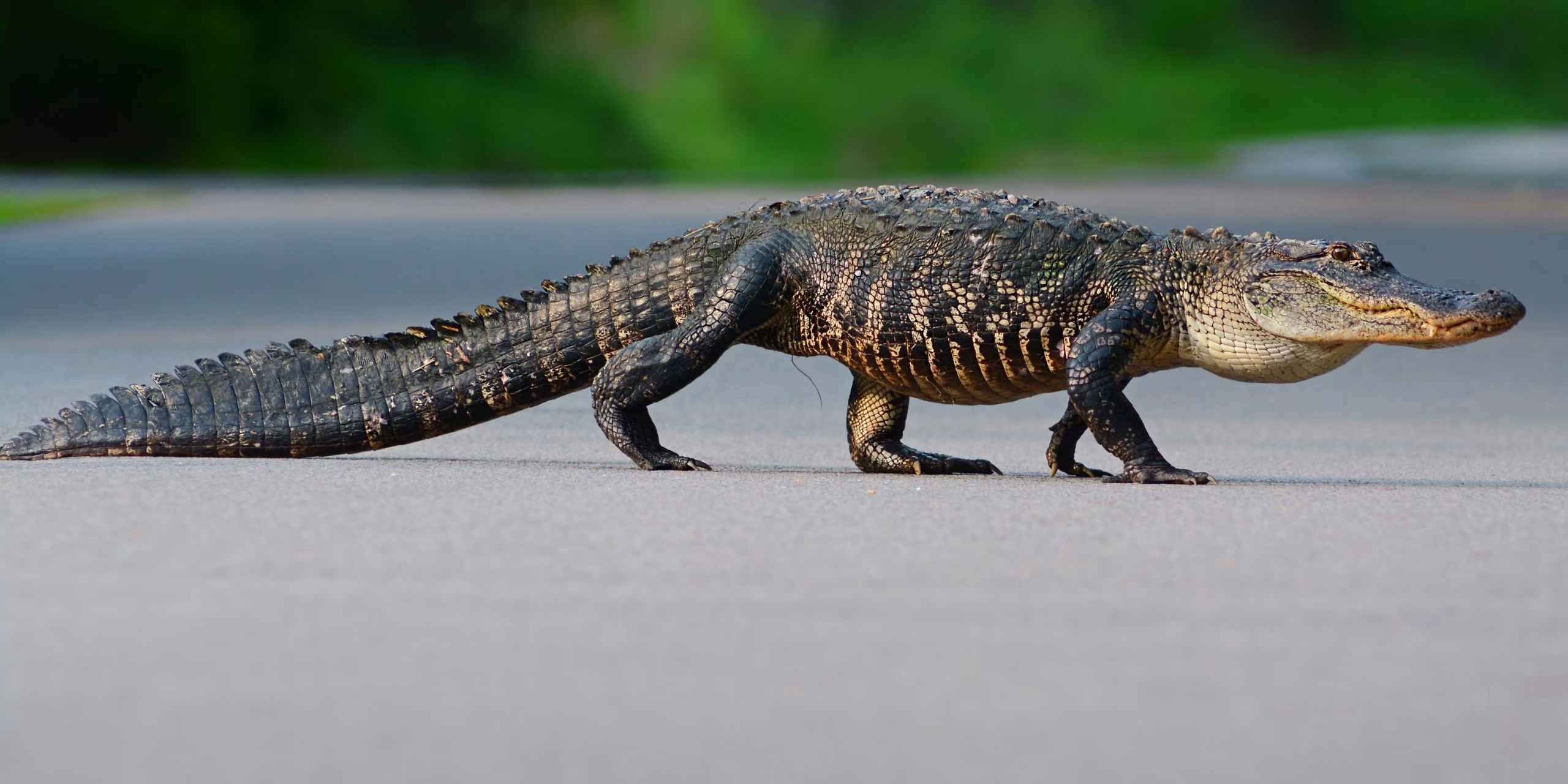
The American Alligator: A Majestic Predator

radicalthought.org – The American alligator, a formidable apex predator, is an iconic symbol of the American South. These reptiles, with their powerful jaws and armored scales, have captivated the imaginations of people for centuries.

Physical Characteristics

American alligators are large reptiles, with males typically growing to be 11 to 13 feet long and weighing up to 1,000 pounds. Females are generally smaller, reaching lengths of 8 to 10 feet. Their bodies are covered in thick, bony scales, providing protection from predators and the elements.

One of the most distinctive features of the American alligator is its powerful jaws. These jaws are lined with sharp, conical teeth that are used to capture and consume prey. Alligators have a unique bite force, capable of crushing bone and shell.

Habitat and Behavior

American alligators are primarily found in freshwater habitats throughout the southeastern United States, including swamps, marshes, rivers, and lakes. They are well-adapted to aquatic environments, with webbed feet and a long, powerful tail that propels them through the water.

Alligators are carnivores, feeding on a variety of prey, including fish, turtles, birds, and mammals. They are ambush predators, lying in wait for unsuspecting prey to come within striking distance. When a suitable prey item approaches, the alligator launches a rapid attack, seizing its victim with its powerful jaws.

Reproduction and Lifespan

American alligators are sexually mature at around 10 years of age. Mating occurs in the spring, and females build large nests of vegetation to lay their eggs. A female alligator can lay up to 50 eggs in a single clutch. The eggs hatch after about two months, and the young alligators are immediately on their own.

American alligators have a relatively long lifespan, with some individuals living for over 50 years. However, many young alligators fall prey to predators, such as raccoons, birds, and other alligators.

Conservation Status

The American alligator was once hunted to near extinction for its skin and meat. However, thanks to conservation efforts, the population has rebounded significantly. Today, the American alligator is no longer considered endangered, but it is still protected by law.

Ecological Importance

American alligators play a vital role in the ecosystems they inhabit. As apex predators, they help to regulate populations of other animals, such as fish and turtles. They also create and maintain wetlands by digging burrows and building nesting mounds. These wetlands provide habitat for a variety of other species, including birds, fish, and amphibians.

Encountering Alligators

If you are lucky enough to encounter an American alligator in the wild, it is important to observe it from a safe distance. Never approach or feed an alligator, as this can be dangerous.
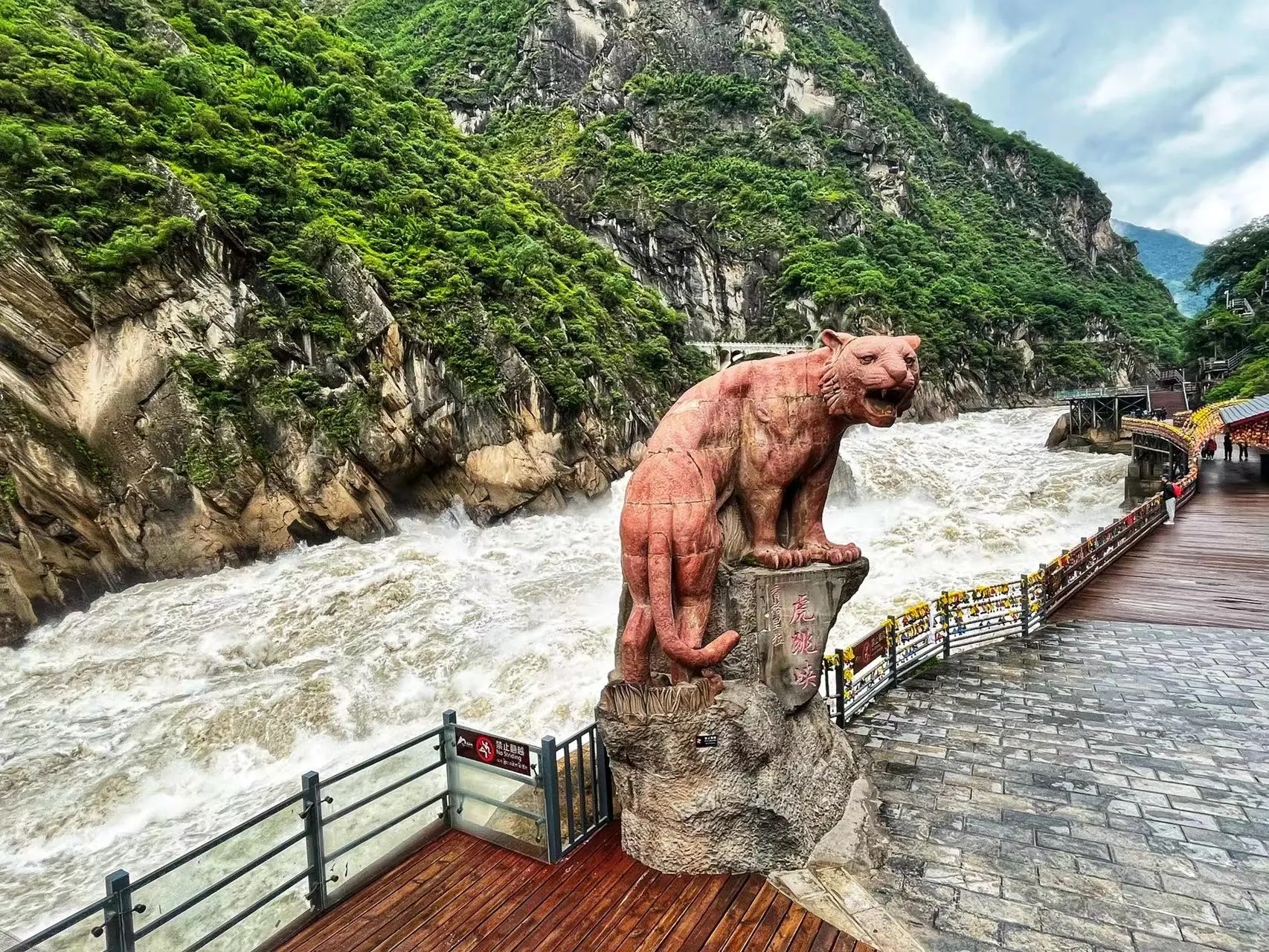
Exploring the Majestic Beauty of Tiger Leaping Gorge

radicalthought.org – Tiger Leaping Gorge, one of the deepest and most spectacular river canyons in the world, is a natural wonder located in the southwestern province of Yunnan, China. Renowned for its breathtaking scenery and adventurous hiking trails, this gorge is a must-visit destination for nature lovers and thrill-seekers alike.

Geological Marvel

Carved by the mighty Jinsha River, a primary tributary of the Yangtze River, Tiger Leaping Gorge stretches over 15 kilometers and plunges to depths of up to 3,790 meters, flanked by the towering Jade Dragon Snow Mountain and Haba Snow Mountain. The gorge derives its name from a local legend in which a tiger, fleeing a hunter, leapt across the river at its narrowest point, a staggering 25 meters wide.

Hiking Adventure

Tiger Leaping Gorge offers some of the most exhilarating hiking experiences in China, attracting trekkers from around the globe. The trail is divided into two main sections: the Upper Gorge and the Middle Gorge, each offering unique vistas and challenges. The high trail, which winds along the upper cliffs, provides panoramic views of the gorge and surrounding mountains, while the lower trail brings hikers closer to the river’s powerful rapids.

The trek typically takes two to three days to complete, with several guesthouses along the way providing accommodation and rest stops. Hikers can enjoy the serene beauty of terraced fields, lush forests, and traditional Naxi villages, immersing themselves in the local culture and hospitality.

Cultural Significance

The region surrounding Tiger Leaping Gorge is home to the Naxi people, an ethnic minority with a rich cultural heritage. The Naxi are known for their unique Dongba culture, which encompasses traditional music, dance, and religious practices. Visitors to the gorge can experience this vibrant culture firsthand by interacting with local communities and participating in cultural events.

Environmental Conservation

Tiger Leaping Gorge is not only a natural and cultural treasure but also an area of ecological significance. Efforts have been made to preserve the gorge’s pristine environment, balancing tourism with conservation. The local government and environmental organizations work together to protect the region’s biodiversity and promote sustainable tourism practices.

Conclusion

Tiger Leaping Gorge is a breathtaking testament to the power of nature and the beauty of China’s diverse landscapes. Whether you’re an avid hiker seeking adventure or a traveler looking to experience the tranquility of untouched nature, the gorge offers an unforgettable journey into one of the world’s most awe-inspiring natural settings. Its combination of stunning scenery, cultural richness, and ecological importance makes Tiger Leaping Gorge a destination that should be on every traveler’s bucket list.