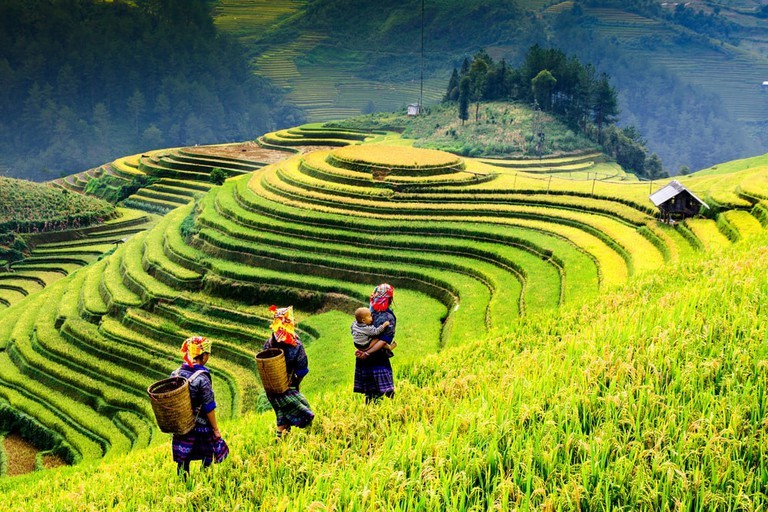
Exploring the Country’s Biodiversity: Vietnam’s Natural Wonders

radicalthought.org – Vietnam, a country with a rich tapestry of ecosystems, is home to an astonishing array of flora and fauna. From the lush forests of the north to the sun-kissed beaches of the south, the country’s biodiversity is a testament to its unique position at the crossroads of both continental and maritime Southeast Asia. This article delves into the natural wonders that make Vietnam a paradise for nature enthusiasts and conservationists alike.

The Northern Highlands: A Tapestry of Forests

The northern highlands of Vietnam are characterized by a mosaic of evergreen, deciduous, and bamboo forests. These forests are critical habitats for numerous endemic species, including the iconic Vietnamese pheasant and the elusive Indochinese tiger.

Cat Tien National Park: A Biodiversity Hotspot

Cat Tien National Park, located in the southern part of the country, is a prime example of Vietnam’s commitment to conservation. The park is home to the world’s largest population of gaur, a type of wild cattle, as well as the endangered Siamese crocodile. The park’s success in wildlife conservation is a beacon of hope for the preservation of Vietnam’s natural heritage.

The Central Coast: Coral Reefs and Marine Life

Vietnam’s central coast is fringed by coral reefs that are teeming with marine life. The waters off the coast of Nha Trang and Phu Quoc Island are particularly renowned for their biodiversity, offering a glimpse into the underwater world through snorkeling and diving.

Marine Conservation Efforts

Efforts to protect Vietnam’s coral reefs from threats such as climate change, overfishing, and pollution are ongoing. Marine protected areas and community-based conservation projects are playing a crucial role in safeguarding these vital ecosystems for future generations.

The Mekong Delta: Wetlands and Waterways

The Mekong Delta is not only a hub of agricultural activity but also a critical wetland ecosystem. The delta’s intricate network of canals and tributaries supports a diverse range of aquatic species, including the endangered Irrawaddy dolphin and the Mekong giant catfish.

The Importance of Wetlands

Wetlands are vital for maintaining the ecological balance of the region, providing habitats for numerous species, and acting as natural filters for water. Conservation efforts in the Mekong Delta focus on sustainable farming practices and the preservation of wetland areas.

Conclusion

Vietnam’s natural wonders are a testament to the country’s incredible biodiversity. From the dense forests of the north to the vibrant coral reefs of the central coast and the rich wetlands of the Mekong Delta, Vietnam offers a unique glimpse into the interconnectedness of life on our planet. As we continue to explore and appreciate these natural wonders, it is imperative that we also commit to their conservation, ensuring that they remain a source of wonder and inspiration for generations to come.
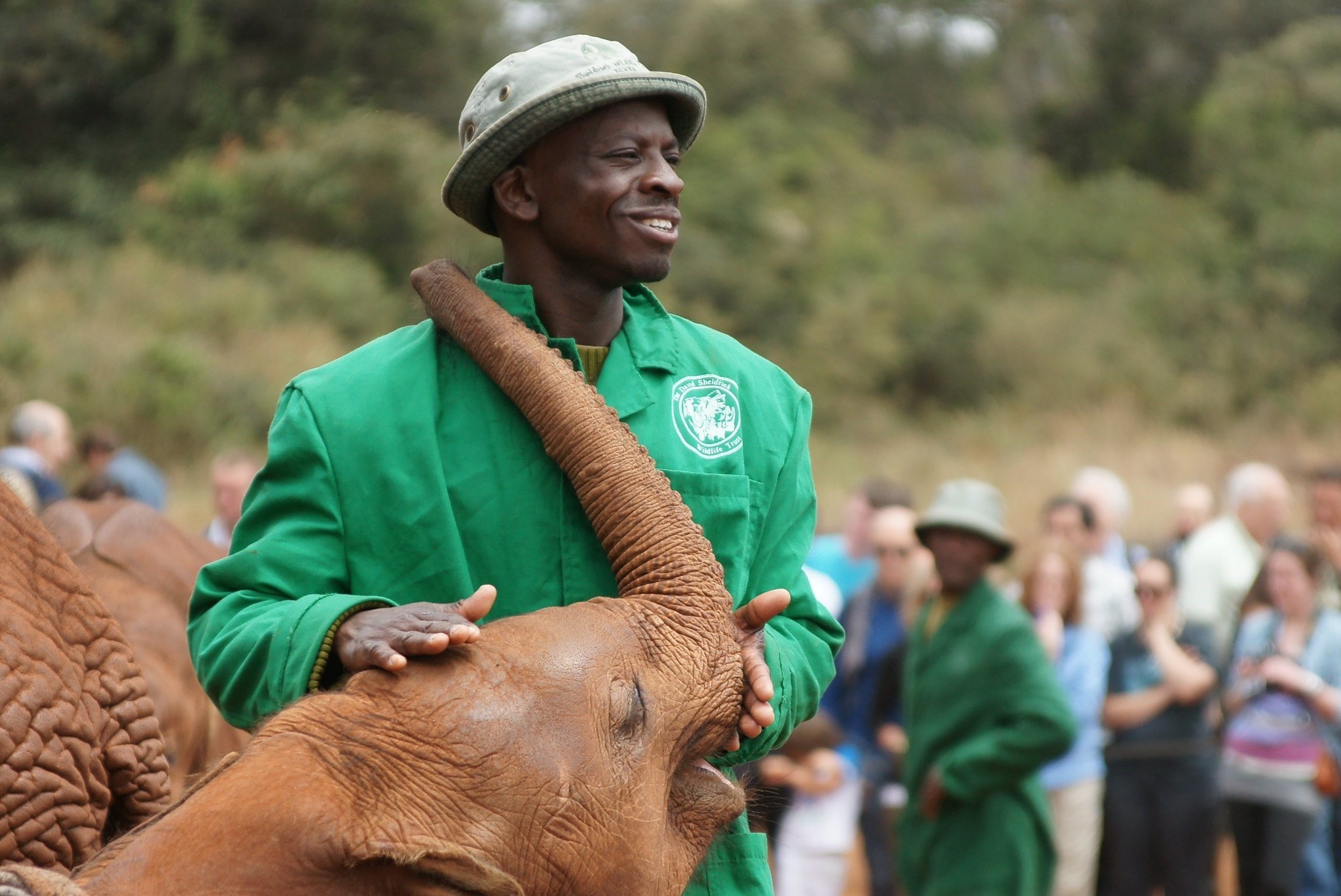
Wildlife Conservation in Developing Countries

radicalthought.org – Wildlife conservation in developing countries is a critical endeavor that faces a unique set of challenges and opportunities. These nations are often home to some of the most biodiverse ecosystems on the planet, yet they also grapple with issues such as poverty, rapid development, and inadequate infrastructure, all of which can threaten wildlife populations. This article explores the complexities of wildlife conservation in these contexts, highlighting the challenges that must be overcome and the opportunities that can be leveraged for the benefit of both wildlife and local communities.

Challenges in Wildlife Conservation

  1. Poverty and Economic Pressures

    • Many developing countries face high levels of poverty, leading to illegal wildlife trade and poaching as a means of economic survival.
    • Local communities may view wildlife as a resource to be exploited rather than conserved, especially when alternative livelihoods are scarce.
  2. Infrastructure and Accessibility

    • Limited infrastructure makes it difficult to effectively monitor and protect vast wildlife habitats.
    • Remote locations can be challenging to access, hindering conservation efforts and response times to threats.
  3. Political Instability and Governance

    • Political instability can disrupt conservation initiatives and lead to the neglect of protected areas.
    • Weak governance structures may result in inadequate enforcement of wildlife protection laws.
  4. Climate Change and Environmental Degradation

    • Developing countries are often disproportionately affected by climate change, which can alter habitats and threaten wildlife populations.
    • Environmental degradation, such as deforestation and pollution, further exacerbates the challenges faced by wildlife.

Opportunities for Wildlife Conservation

  1. Community-Based Conservation

    • Engaging local communities in conservation efforts can transform them from threats to wildlife into stewards of the environment.
    • Community-based conservation initiatives can provide alternative livelihoods and economic benefits, aligning conservation with local interests.
  2. Technological Innovations

    • Advances in technology, such as remote sensing and AI, can enhance monitoring and protection efforts, even in remote areas.
    • Drones and satellite imagery can help track wildlife populations and detect illegal activities more effectively.
  3. International Collaboration

    • Developing countries can benefit from international partnerships and funding to support conservation efforts.
    • Sharing knowledge and best practices across borders can lead to more effective conservation strategies.
  4. Tourism and Ecotourism

    • Wildlife tourism can generate significant revenue, providing an economic incentive for conservation.
    • Ecotourism, when done responsibly, can offer a sustainable way to fund conservation efforts while providing benefits to local communities.

Conclusion

Wildlife conservation in developing countries is a complex and multifaceted issue that requires a nuanced approach. By addressing the challenges and leveraging the opportunities, it is possible to create a sustainable future for wildlife and the communities that live alongside them. Collaboration between governments, NGOs, local communities, and international partners is essential to ensure the success of conservation efforts and to preserve the rich biodiversity of developing countries for generations to come.