The Bukele Administration: El Salvador’s Constitutional Challenges

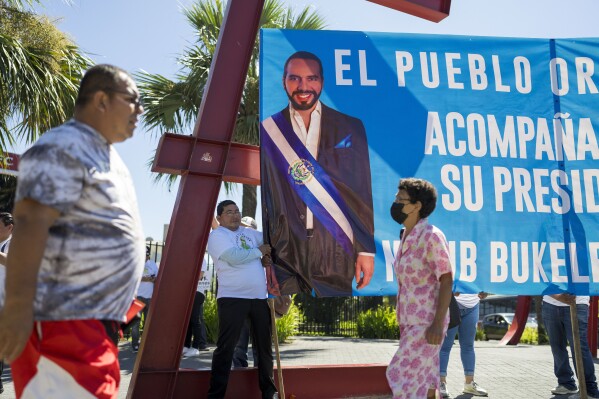
radicalthought.org – Since taking office in 2019, President Nayib Bukele of El Salvador has embarked on a series of controversial actions that have raised significant constitutional concerns within the country. These challenges have tested the limits of executive power, the separation of powers, and the rule of law in El Salvador. This article examines the key constitutional issues that have arisen during the Bukele administration, highlighting the legal and political implications for the country.

The Rise of New Ideas and Executive Assertiveness

President Bukele, who was elected on an anti-establishment platform, founded the political party New Ideas (Nuevas Ideas) to challenge the traditional parties that had long dominated Salvadoran politics. His presidency has been marked by a strong personalistic style of leadership and a tendency to bypass traditional political channels. This approach has often led to confrontations with other branches of government, particularly the Legislative Assembly and the judiciary.

The 2020 Legislative Assembly Standoff

One of the most notable constitutional challenges occurred in February 2020, when President Bukele ordered soldiers into the Legislative Assembly in an attempt to pressure lawmakers to approve a loan for security forces. This action was widely condemned as a violation of the separation of powers and an unconstitutional use of military force against a co-equal branch of government. The incident sparked national and international outcry and raised concerns about the erosion of democratic norms.

Judicial Independence Under Threat

The Bukele administration has also faced criticism for its handling of the judiciary. In May 2021, the Legislative Assembly, now dominated by New Ideas, voted to remove several Supreme Court justices and the attorney general, alleging corruption and incompetence. This move was seen as an attack on judicial independence and an effort to consolidate power by undermining checks and balances. The international community, including the United States, expressed concern over these actions, warning of potential repercussions for El Salvador’s democratic institutions.

The Bitcoin Law and Constitutionality

Another significant constitutional challenge has been the adoption of Bitcoin as legal tender in El Salvador. In September 2021, the Legislative Assembly, at the behest of President Bukele, passed the Bitcoin Law, making El Salvador the first country in the world to recognize Bitcoin as currency. Critics argue that the rushed implementation of the law and its potential economic implications were not adequately debated, raising questions about the constitutionality of the process and the protection of public interest.

Public Opinion and the Future of Constitutional Governance

Despite these challenges, President Bukele has maintained high approval ratings, suggesting that a significant portion of the Salvadoran public supports his strongman approach. However, the long-term implications of these constitutional challenges remain to be seen. The erosion of institutional checks and balances could have lasting effects on the country’s democratic stability and governance.

Conclusion

The Bukele administration’s confrontational approach to governance has brought to the forefront several constitutional challenges in El Salvador. The balance between executive assertiveness and the protection of democratic institutions is a delicate one, and the actions of the current administration have tested the limits of this balance. As El Salvador navigates these constitutional crossroads, it is crucial for all stakeholders to uphold the rule of law and ensure that democratic principles are preserved for the sake of the country’s future.
Wildlife Conservation in Developing Countries

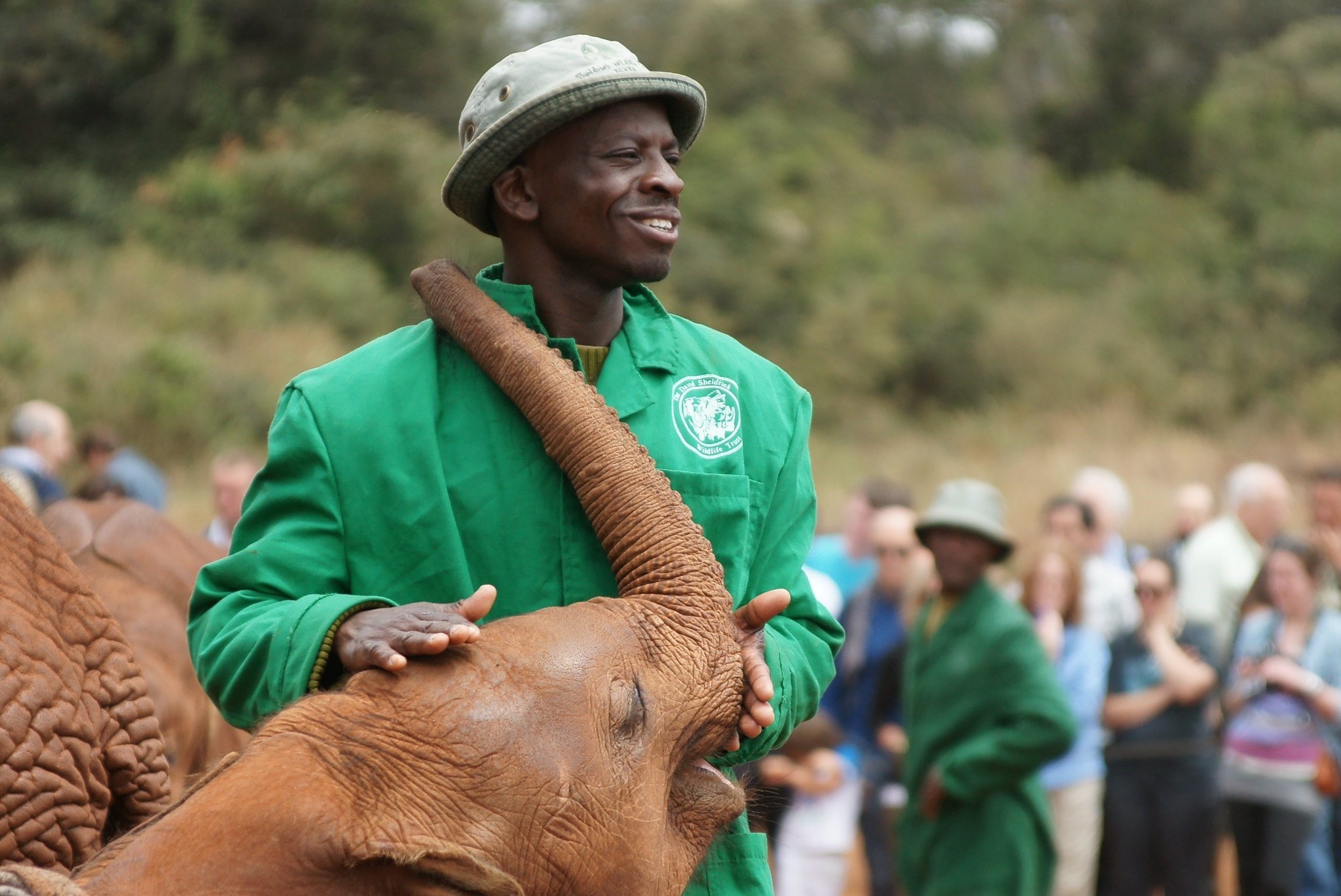
radicalthought.org – Wildlife conservation in developing countries is a critical endeavor that faces a unique set of challenges and opportunities. These nations are often home to some of the most biodiverse ecosystems on the planet, yet they also grapple with issues such as poverty, rapid development, and inadequate infrastructure, all of which can threaten wildlife populations. This article explores the complexities of wildlife conservation in these contexts, highlighting the challenges that must be overcome and the opportunities that can be leveraged for the benefit of both wildlife and local communities.

Challenges in Wildlife Conservation

  1. Poverty and Economic Pressures

    • Many developing countries face high levels of poverty, leading to illegal wildlife trade and poaching as a means of economic survival.
    • Local communities may view wildlife as a resource to be exploited rather than conserved, especially when alternative livelihoods are scarce.
  2. Infrastructure and Accessibility

    • Limited infrastructure makes it difficult to effectively monitor and protect vast wildlife habitats.
    • Remote locations can be challenging to access, hindering conservation efforts and response times to threats.
  3. Political Instability and Governance

    • Political instability can disrupt conservation initiatives and lead to the neglect of protected areas.
    • Weak governance structures may result in inadequate enforcement of wildlife protection laws.
  4. Climate Change and Environmental Degradation

    • Developing countries are often disproportionately affected by climate change, which can alter habitats and threaten wildlife populations.
    • Environmental degradation, such as deforestation and pollution, further exacerbates the challenges faced by wildlife.

Opportunities for Wildlife Conservation

  1. Community-Based Conservation

    • Engaging local communities in conservation efforts can transform them from threats to wildlife into stewards of the environment.
    • Community-based conservation initiatives can provide alternative livelihoods and economic benefits, aligning conservation with local interests.
  2. Technological Innovations

    • Advances in technology, such as remote sensing and AI, can enhance monitoring and protection efforts, even in remote areas.
    • Drones and satellite imagery can help track wildlife populations and detect illegal activities more effectively.
  3. International Collaboration

    • Developing countries can benefit from international partnerships and funding to support conservation efforts.
    • Sharing knowledge and best practices across borders can lead to more effective conservation strategies.
  4. Tourism and Ecotourism

    • Wildlife tourism can generate significant revenue, providing an economic incentive for conservation.
    • Ecotourism, when done responsibly, can offer a sustainable way to fund conservation efforts while providing benefits to local communities.

Conclusion

Wildlife conservation in developing countries is a complex and multifaceted issue that requires a nuanced approach. By addressing the challenges and leveraging the opportunities, it is possible to create a sustainable future for wildlife and the communities that live alongside them. Collaboration between governments, NGOs, local communities, and international partners is essential to ensure the success of conservation efforts and to preserve the rich biodiversity of developing countries for generations to come.

Governance and Challenges: Togo’s Political Landscape

radicalthought.org – Togo, a coastal country in West Africa, has been navigating a complex political landscape marked by significant developments and challenges. The country’s governance structure and the socio-economic conditions it faces are pivotal in understanding its current trajectory.

Political Governance

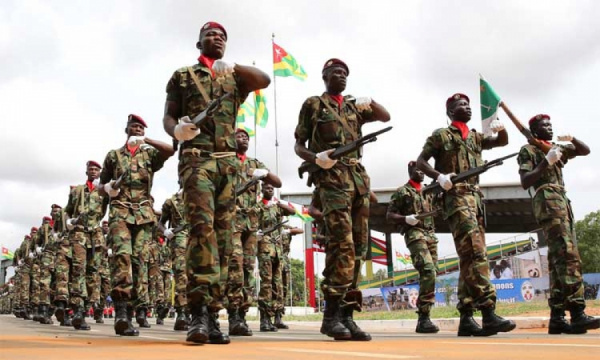
Togo’s political governance has undergone significant changes in recent years. The ruling Union pour la République (UNIR) party has dominated the political landscape, holding 59 out of 91 seats in Parliament. The government is led by Prime Minister Victoire Tomegah Dogbe, who heads a 33-member cabinet. A notable shift occurred on March 25, 2024, when legislators adopted a new constitution that transitions the country from a semi-presidential to a parliamentary system. This change sees the President of the Republic holding ceremonial powers and being appointed by Parliament for a single six-year term. The governance of the nation is entrusted to the President of the Council, a newly established role assigned to the leader of the majority party in the Assembly, who will have a six-year mandate and be appointed by the National Assembly. This person will guide national policy and appoint civil and military officials, marking Togo’s entry into its Fifth Republic.

Economic Situation

Economically, Togo has shown resilience despite global challenges. The country has been a logistics and trade hub for the sub-region, with significant progress in economic development. However, poverty levels remain high, particularly in rural areas, where it is twice as high as in urban areas. This disparity is attributed to the concentration of economic growth in modern sectors and poor access to quality services. Poverty is also higher in female-headed households, exacerbated by a lack of economic opportunities, education, and healthcare.

The economic situation has been affected by the COVID-19 pandemic, the economic fallout from Russia’s invasion of Ukraine, and regional instability. A sharp increase in public spending has helped stabilize economic growth, but vulnerable populations have been affected by rising costs of living, access to water and electricity issues, and reduced fiscal space. The government has initiated consolidation measures to reduce the deficit to 3% of GDP by 2025, while also addressing the growing risks of fragility in the Savanes region in the north.

Challenges and Reforms

Togo faces significant challenges in its administrative structures, including a lack of resources, corruption, and socio-political tensions. The government has been urged to step up efforts to address these issues, which include improving the business environment, reducing unemployment, and tackling poverty. The new constitutional changes are seen as a step towards strengthening democratic governance, but the effectiveness of these reforms will depend on their implementation and the ability to address underlying socio-economic disparities.

Conclusion

Togo’s political landscape is at a crossroads, with significant reforms underway that aim to enhance democratic governance and economic stability. However, the challenges of poverty, corruption, and socio-political tensions remain daunting. The success of these reforms will depend on the government’s ability to address these issues effectively and ensure that the benefits of economic growth are more equitably distributed across the population.