Bread of the Pharaohs: Ancient Egyptian Flatbreads

radicalthought.org – The Aztec civilization, flourishing in central Mexico from the 14th to the 16th centuries, was known for its rich culture and advanced society. At the heart of the Aztec diet were two staple foods: corn and cocoa. These ingredients were not only vital for sustenance but also held cultural and religious significance. This article explores the role of corn and cocoa in the Aztec diet, their cultivation, and their impact on Aztec society.

Corn: The Foundation of the Aztec Diet

Corn, or maize, was the cornerstone of the Aztec diet. It was so essential that it was considered a gift from the gods, with the god Centeotl revered as the deity of maize. Corn was cultivated extensively throughout the Aztec empire, utilizing advanced agricultural techniques such as chinampas, or floating gardens, to maximize yield.

Culinary Uses

Corn was incredibly versatile and formed the basis of many Aztec dishes. It was ground into masa (dough) to make tortillas, tamales, and other staples. The Aztecs also consumed corn as atole, a warm, thick beverage made from cornmeal, and in pozole, a hearty stew.

Nutritional Significance

Corn provided a vital source of carbohydrates and was often combined with beans and squash to form a complete protein source. This combination was critical for sustaining the dense populations of Aztec cities.

Cocoa: The Drink of the Gods

Cocoa, derived from cacao beans, was another crucial element of the Aztec diet. The Aztecs believed that cocoa was a divine gift from Quetzalcoatl, the feathered serpent god. Unlike today, cocoa was primarily consumed as a beverage rather than in solid form.

Preparation and Consumption

Cocoa was prepared by grinding roasted cacao beans into a paste and mixing it with water, chili peppers, and spices to create a frothy, bitter drink called xocolatl. This beverage was often flavored with vanilla and honey to enhance its taste.

Cultural and Economic Importance

Cocoa held significant cultural and economic value for the Aztecs. It was consumed during religious ceremonies and was believed to have mystical and energizing properties. Cocoa beans also served as a form of currency, used to trade for goods and services throughout the empire.

Impact on Aztec Society

The cultivation and consumption of corn and cocoa were integral to the Aztec way of life. Corn provided the necessary sustenance to support large urban populations, while cocoa had a profound cultural and economic impact. Together, these foods contributed to the Aztecs’ ability to build a powerful and sophisticated civilization.

Conclusion

Corn and cocoa were more than just dietary staples for the Aztecs; they were central to their cultural identity and societal structure. The enduring legacy of these ingredients is evident in modern Mexican cuisine and culture, highlighting the lasting influence of the Aztec diet.
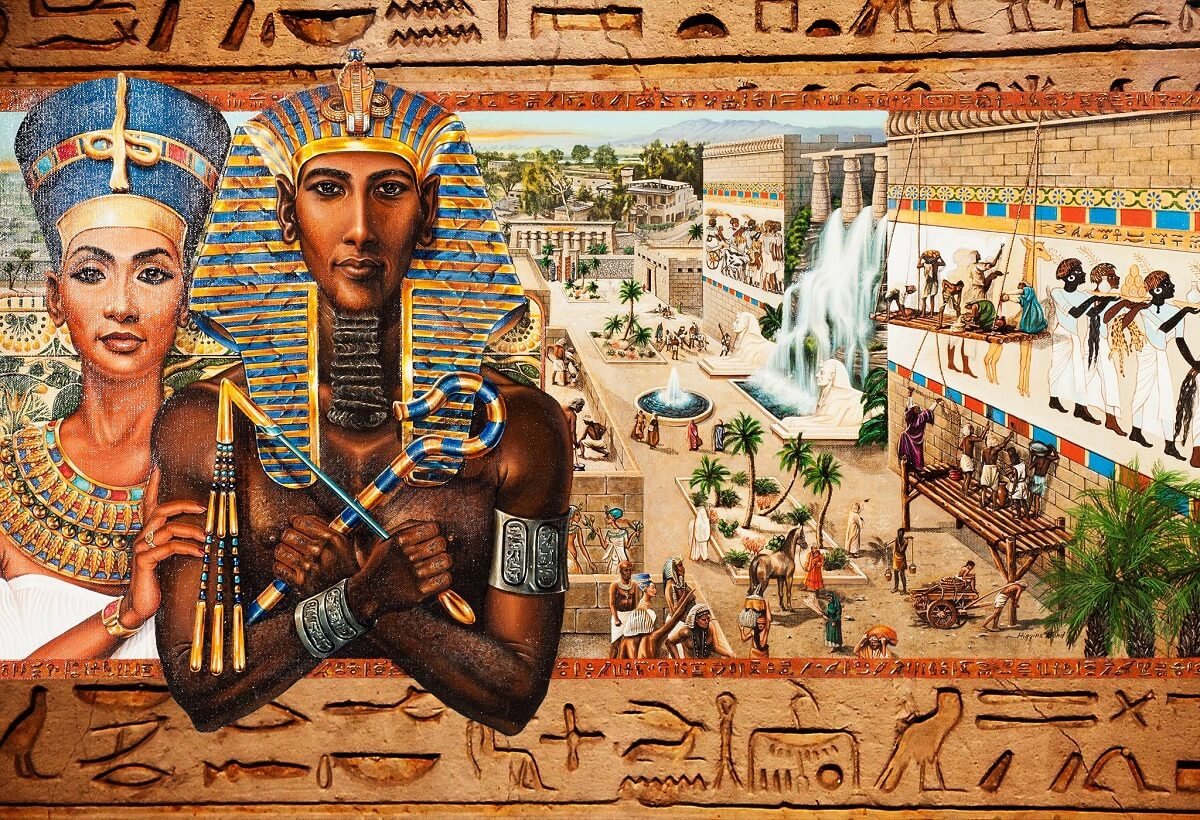
Pharaoh: The Divine Ruler of Ancient Egypt

radicalthought.org – Ancient Egypt, with its monumental pyramids, intricate hieroglyphs, and enduring legacy, was a civilization that captivated the imagination of people across the ages. At the pinnacle of this society stood the Pharaoh, a figure who was not only the political leader but also the embodiment of divine authority on earth. The title “Pharaoh” encapsulates the profound intertwining of religious and royal power that characterized the governance of ancient Egypt.

The Origin and Evolution of the Title

The term “Pharaoh” is derived from the ancient Egyptian words “pr-aa,” meaning “great house,” which initially referred to the royal palace but eventually became a title for the ruler himself. The use of the title evolved over time, with its earliest known usage dating back to the 12th Dynasty (circa 1991-1802 BCE). However, it was during the New Kingdom (circa 1550-1070 BCE) that the title “Pharaoh” became more commonly associated with the ruler of Egypt.

The Divine Authority of the Pharaoh

Central to the role of the Pharaoh was the belief in his divine nature. He was considered the earthly representative of the gods, particularly Ra, the sun god, and Osiris, the god of the afterlife. This divine connection granted the Pharaoh absolute authority over both the spiritual and temporal realms of Egyptian society. His duties included maintaining order (Ma’at), ensuring the prosperity of the kingdom through successful military campaigns and building projects, and conducting religious rituals to appease the gods and guarantee the annual flooding of the Nile, which was crucial for agriculture.

The Pharaoh’s Role in Egyptian Society

The Pharaoh’s influence permeated every aspect of Egyptian life. He was the supreme commander of the military, the head of the judiciary, and the overseer of monumental construction projects, including temples and tombs. The Pharaoh’s wealth and power were immense, derived from taxes, tributes, and the control of vast agricultural lands. Despite this, the Pharaoh’s rule was supported by a complex bureaucracy that included viziers, priests, scribes, and military officials, each playing a crucial role in the administration of the kingdom.

The Legacy of the Pharaohs

The legacy of the Pharaohs is evident in the countless monuments, artifacts, and records that have survived to this day. Figures such as Khufu (Cheops), who commissioned the Great Pyramid of Giza, and Tutankhamun, whose tomb was discovered in the 20th century, have become iconic symbols of ancient Egypt. The reigns of powerful Pharaohs like Hatshepsut, who ruled as a woman in a male-dominated society, and Ramses II, who expanded Egypt’s territory and built numerous temples, highlight the diversity and complexity of the Pharaonic era.

Conclusion

The title of Pharaoh, with its connotations of divine authority and absolute power, encapsulates the essence of ancient Egyptian civilization. The Pharaohs were not merely rulers but were seen as the living gods who ensured the prosperity and continuity of their kingdom. Through their monumental achievements and the rich cultural heritage they left behind, the Pharaohs continue to fascinate and inspire, serving as a testament to the enduring legacy of ancient Egypt.