radicalthought.org – Eritrea, a small country located in the Horn of Africa, has a political landscape that is both unique and complex. Since gaining independence from Ethiopia in 1993, Eritrea has been governed by the People’s Front for Democracy and Justice (PFDJ), the successor to the Eritrean People’s Liberation Front (EPLF), which led the successful struggle for independence. This article provides an overview of Eritrea’s political landscape and governance structure.
The People’s Front for Democracy and Justice (PFDJ)
The PFDJ has been the dominant political force in Eritrea since independence. It emerged from the EPLF, which was a guerrilla movement that fought a 30-year war against Ethiopian rule. After achieving independence, the EPLF transformed into the PFDJ, which has maintained a tight grip on political power.
One-Party System
Eritrea operates under a de facto one-party system, with the PFDJ being the sole party in power. The constitution, which was drafted in 1997, has not been formally adopted, and elections for a national assembly have not been held. This has led to criticism from international observers who accuse the government of authoritarianism and lack of political pluralism.
Governance Structure
Eritrea’s governance structure is centered around the PFDJ and its leadership. The President of Eritrea, Isaias Afwerki, who has been in power since independence, holds significant authority. The government is organized into various ministries and departments, but decision-making is highly centralized.
The National Assembly
The National Assembly is the highest legislative body in Eritrea. It was established in 1994 and is composed of members appointed by the PFDJ. The assembly has limited powers and meets infrequently, with the executive branch wielding the most influence.
Regional Administration
Eritrea is divided into six regions (zobas), each administered by a governor appointed by the central government. Local administration is also controlled by PFDJ-appointed officials, ensuring that the party’s influence permeates all levels of governance.
Human Rights and Political Freedoms
Eritrea’s governance has been criticized for its poor human rights record and restrictions on political freedoms. The government has been accused of arbitrary detentions, torture, and suppression of dissent. Freedom of the press is severely limited, and there are no independent media outlets.
Military Service
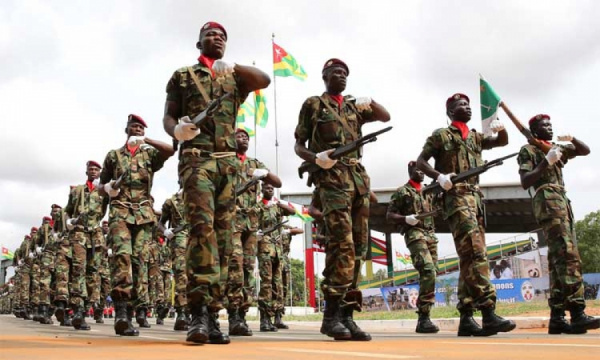
One of the most contentious aspects of Eritrea’s governance is the policy of indefinite national service. All Eritrean citizens are required to serve in the military or in national service programs for an unspecified period, which can last for years. This policy has led to a brain drain, as many young people flee the country to avoid the service.
International Relations
Eritrea’s international relations have been strained due to its governance practices and regional conflicts. The country has been subject to various sanctions and has had tense relations with neighboring Ethiopia. However, in recent years, there have been efforts to normalize relations with Ethiopia and other regional partners.
Conclusion
Eritrea’s political landscape is characterized by a dominant single party, centralized governance, and restrictions on political freedoms. The PFDJ’s control over the political system and its policies, particularly regarding military service, have drawn significant international criticism. Despite these challenges, Eritrea’s government continues to exert its authority, shaping the country’s trajectory in the Horn of Africa.