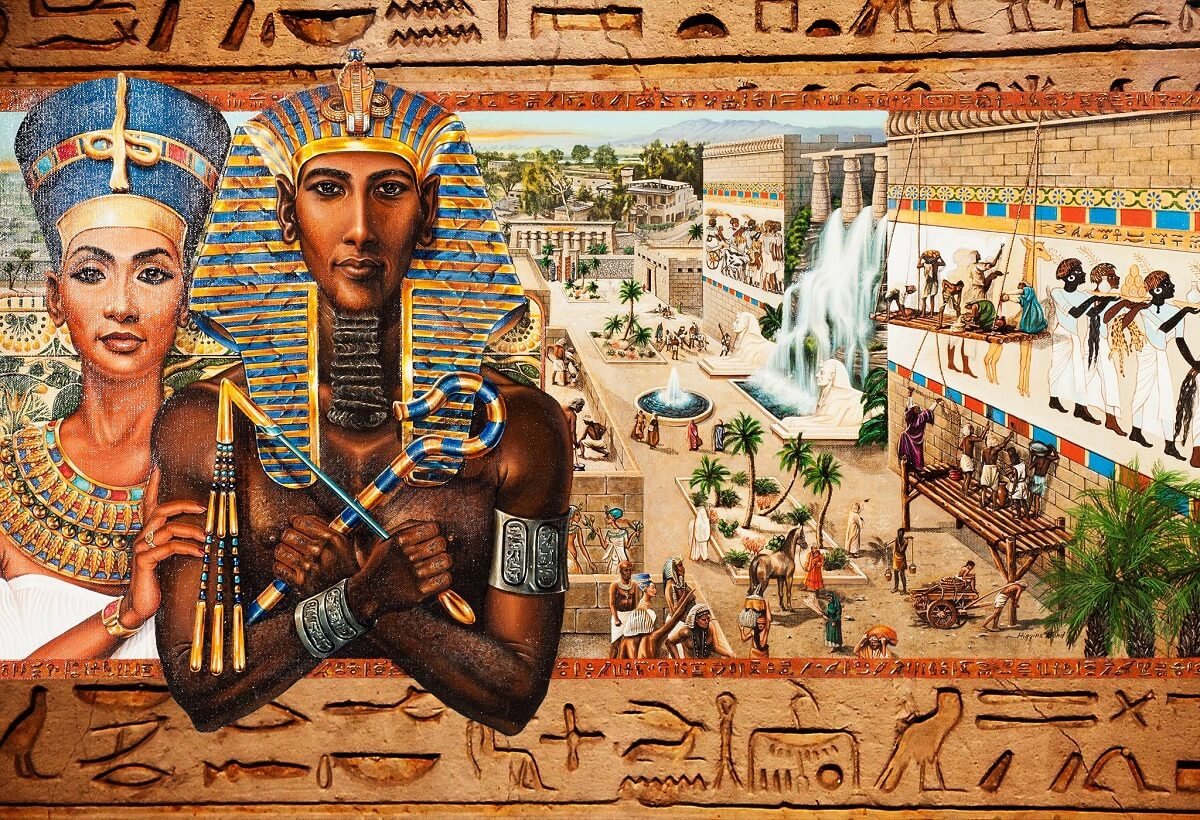
Bread of the Pharaohs: Ancient Egyptian Flatbreads

radicalthought.org – The Aztec civilization, flourishing in central Mexico from the 14th to the 16th centuries, was known for its rich culture and advanced society. At the heart of the Aztec diet were two staple foods: corn and cocoa. These ingredients were not only vital for sustenance but also held cultural and religious significance. This article explores the role of corn and cocoa in the Aztec diet, their cultivation, and their impact on Aztec society.

Corn: The Foundation of the Aztec Diet

Corn, or maize, was the cornerstone of the Aztec diet. It was so essential that it was considered a gift from the gods, with the god Centeotl revered as the deity of maize. Corn was cultivated extensively throughout the Aztec empire, utilizing advanced agricultural techniques such as chinampas, or floating gardens, to maximize yield.

Culinary Uses

Corn was incredibly versatile and formed the basis of many Aztec dishes. It was ground into masa (dough) to make tortillas, tamales, and other staples. The Aztecs also consumed corn as atole, a warm, thick beverage made from cornmeal, and in pozole, a hearty stew.

Nutritional Significance

Corn provided a vital source of carbohydrates and was often combined with beans and squash to form a complete protein source. This combination was critical for sustaining the dense populations of Aztec cities.

Cocoa: The Drink of the Gods

Cocoa, derived from cacao beans, was another crucial element of the Aztec diet. The Aztecs believed that cocoa was a divine gift from Quetzalcoatl, the feathered serpent god. Unlike today, cocoa was primarily consumed as a beverage rather than in solid form.

Preparation and Consumption

Cocoa was prepared by grinding roasted cacao beans into a paste and mixing it with water, chili peppers, and spices to create a frothy, bitter drink called xocolatl. This beverage was often flavored with vanilla and honey to enhance its taste.

Cultural and Economic Importance

Cocoa held significant cultural and economic value for the Aztecs. It was consumed during religious ceremonies and was believed to have mystical and energizing properties. Cocoa beans also served as a form of currency, used to trade for goods and services throughout the empire.

Impact on Aztec Society

The cultivation and consumption of corn and cocoa were integral to the Aztec way of life. Corn provided the necessary sustenance to support large urban populations, while cocoa had a profound cultural and economic impact. Together, these foods contributed to the Aztecs’ ability to build a powerful and sophisticated civilization.

Conclusion

Corn and cocoa were more than just dietary staples for the Aztecs; they were central to their cultural identity and societal structure. The enduring legacy of these ingredients is evident in modern Mexican cuisine and culture, highlighting the lasting influence of the Aztec diet.
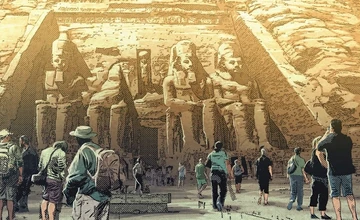
The Great Temple of Ramses II: An Ancient Egyptian Marvel

radicalthought.org – The Great Temple of Ramses II at Abu Simbel is one of the most iconic monuments of ancient Egypt. Built by one of Egypt’s most celebrated pharaohs, this temple is a testament to the grandeur, power, and architectural ingenuity of the ancient Egyptians.

Historical Background

The Great Temple was commissioned by Pharaoh Ramses II, who ruled Egypt from 1279 to 1213 BCE. It was constructed in Nubia, a region that was strategically important for Egypt’s expansion and control over trade routes. The temple was intended to showcase Ramses II’s power and to honor the gods, notably Ra-Horakhty, Amun, and Ptah.

Architectural Features

The temple is renowned for its monumental facade, which features four colossal statues of Ramses II seated on his throne. Each statue is approximately 20 meters high, symbolizing the pharaoh’s divine status and strength. The facade is carved directly into the rock, exemplifying the skill and artistry of ancient Egyptian craftsmen.

Inside the temple, a series of halls and chambers are adorned with intricate carvings and hieroglyphics. These artworks depict scenes of Ramses II’s military victories, religious ceremonies, and interactions with the gods. The inner sanctuary houses statues of Ramses II and the triad of gods, and is designed so that twice a year, the sun illuminates the statues, a phenomenon that underscores the ancient Egyptians’ advanced understanding of astronomy.

Cultural and Religious Significance

The Great Temple of Ramses II was both a political symbol and a religious center. It was intended to reinforce Ramses II’s divine status and to demonstrate his benevolence and power, both to his subjects and to neighboring regions. The temple served as a place of worship and as a reminder of the pharaoh’s eternal presence and divine favor.

Modern-Day Preservation

In the 1960s, the construction of the Aswan High Dam threatened to submerge the temple under the waters of Lake Nasser. An international campaign, led by UNESCO, successfully relocated the temple to a higher location, preserving it for future generations. This monumental effort involved cutting the temple into large blocks and painstakingly reconstructing it, ensuring its survival as a UNESCO World Heritage site.

Conclusion

The Great Temple of Ramses II is a masterpiece of ancient Egyptian architecture and a symbol of the pharaoh’s enduring legacy. Its majestic statues, intricate carvings, and historical significance continue to captivate visitors from around the world, offering a glimpse into the splendor and sophistication of ancient Egyptian civilization.

Social Restrictions on Women in the Ancient World

radicalthought.org – The ancient world was marked by significant social restrictions on women, which varied across different cultures and civilizations. These restrictions were deeply embedded in the social, legal, and religious structures of the time, often limiting women’s roles to the domestic sphere and denying them many rights and freedoms enjoyed by men. This article explores the social restrictions on women in ancient Egypt, Greece, and Rome, highlighting the commonalities and differences in their experiences.

Ancient Egypt

In ancient Egypt, women enjoyed a relatively high social standing compared to their counterparts in other ancient civilizations. They were regarded as the equals of men in most aspects of life, with the exception of certain occupations. Women could own property, engage in trade, and even hold positions of authority. They were also allowed to initiate divorce and remarry, which was uncommon in many other ancient societies.

However, despite these freedoms, women’s social status still depended on the support and approval of men. Many women were not aware of their legal rights and thus did not exercise them. The concept of ma’at, which emphasized harmony and balance, was central to Egyptian society, and this ideal was reflected in the balanced roles of men and women in various aspects of life, including religion and governance.

Ancient Greece

In ancient Greece, women’s roles were predominantly confined to the domestic sphere. They were not allowed to vote, own land, or inherit property. Their primary responsibilities were to manage the household and bear children. The education of girls was limited and focused on skills relevant to their domestic roles, such as music, dancing, and gymnastics.

The status of women varied across different Greek city-states. In Athens, women’s lives were highly restricted, and they were often supervised by male relatives. In contrast, Spartan women had more freedom and were even trained in physical activities to prepare them for their role in raising future warriors. Some exceptional women, such as Sappho, Arete of Cyrene, and Aspasia, managed to rise above the limitations of their society and gain acclaim in fields such as poetry, philosophy, and politics.

Ancient Rome

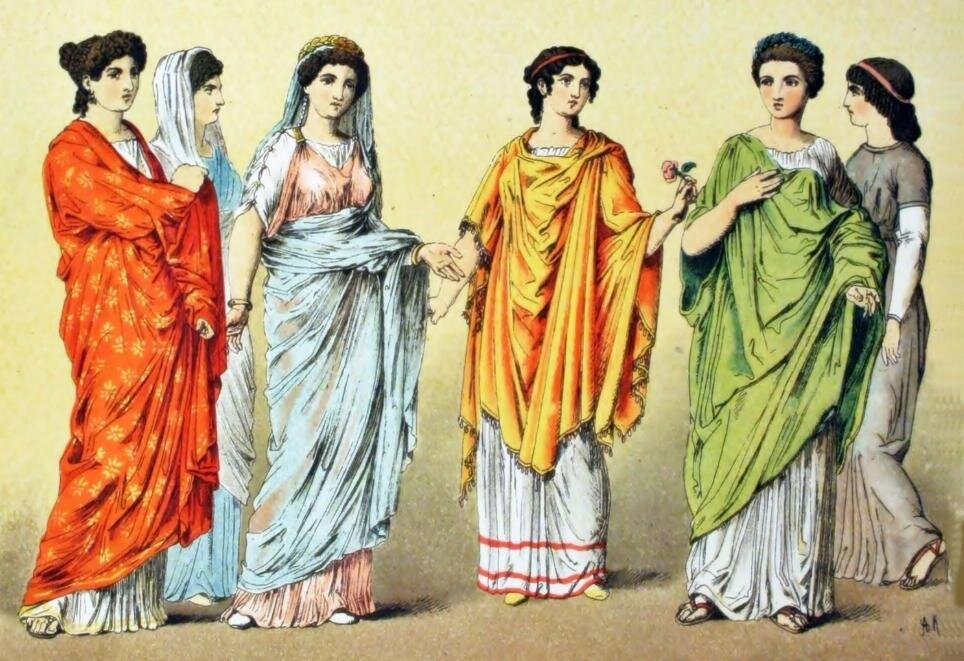
In ancient Rome, women’s roles were also primarily domestic, focusing on managing the household and raising children. They were subordinate to the male head of the family and required a male guardian to act on their behalf in legal and financial matters. However, Roman women had more rights compared to their Greek counterparts. They could own property, engage in business, and even run estates, although these activities were often subject to male oversight.

Despite these rights, Roman women faced significant social restrictions. They were expected to maintain the family’s honor and were often confined to the domestic sphere. The legal system, while recognizing women’s property rights, still placed them under the control of male relatives, reflecting the patriarchal nature of Roman society.

Conclusion

The social restrictions on women in the ancient world were pervasive and deeply ingrained in the social structures of the time. While there were variations in the extent of these restrictions across different cultures, the common thread was the subordination of women to men in both public and private life. Understanding these historical contexts helps shed light on the long journey towards gender equality that continues to this day.

Pharaoh: The Divine Ruler of Ancient Egypt

radicalthought.org – Ancient Egypt, with its monumental pyramids, intricate hieroglyphs, and enduring legacy, was a civilization that captivated the imagination of people across the ages. At the pinnacle of this society stood the Pharaoh, a figure who was not only the political leader but also the embodiment of divine authority on earth. The title “Pharaoh” encapsulates the profound intertwining of religious and royal power that characterized the governance of ancient Egypt.

The Origin and Evolution of the Title

The term “Pharaoh” is derived from the ancient Egyptian words “pr-aa,” meaning “great house,” which initially referred to the royal palace but eventually became a title for the ruler himself. The use of the title evolved over time, with its earliest known usage dating back to the 12th Dynasty (circa 1991-1802 BCE). However, it was during the New Kingdom (circa 1550-1070 BCE) that the title “Pharaoh” became more commonly associated with the ruler of Egypt.

The Divine Authority of the Pharaoh

Central to the role of the Pharaoh was the belief in his divine nature. He was considered the earthly representative of the gods, particularly Ra, the sun god, and Osiris, the god of the afterlife. This divine connection granted the Pharaoh absolute authority over both the spiritual and temporal realms of Egyptian society. His duties included maintaining order (Ma’at), ensuring the prosperity of the kingdom through successful military campaigns and building projects, and conducting religious rituals to appease the gods and guarantee the annual flooding of the Nile, which was crucial for agriculture.

The Pharaoh’s Role in Egyptian Society

The Pharaoh’s influence permeated every aspect of Egyptian life. He was the supreme commander of the military, the head of the judiciary, and the overseer of monumental construction projects, including temples and tombs. The Pharaoh’s wealth and power were immense, derived from taxes, tributes, and the control of vast agricultural lands. Despite this, the Pharaoh’s rule was supported by a complex bureaucracy that included viziers, priests, scribes, and military officials, each playing a crucial role in the administration of the kingdom.

The Legacy of the Pharaohs

The legacy of the Pharaohs is evident in the countless monuments, artifacts, and records that have survived to this day. Figures such as Khufu (Cheops), who commissioned the Great Pyramid of Giza, and Tutankhamun, whose tomb was discovered in the 20th century, have become iconic symbols of ancient Egypt. The reigns of powerful Pharaohs like Hatshepsut, who ruled as a woman in a male-dominated society, and Ramses II, who expanded Egypt’s territory and built numerous temples, highlight the diversity and complexity of the Pharaonic era.

Conclusion

The title of Pharaoh, with its connotations of divine authority and absolute power, encapsulates the essence of ancient Egyptian civilization. The Pharaohs were not merely rulers but were seen as the living gods who ensured the prosperity and continuity of their kingdom. Through their monumental achievements and the rich cultural heritage they left behind, the Pharaohs continue to fascinate and inspire, serving as a testament to the enduring legacy of ancient Egypt.