Tree Frogs: Arboreal Acrobats of the Amphibian World

radicalthought.org – Tree frogs, belonging to several families including Hylidae (true tree frogs), Rhacophoridae (Old World tree frogs), and others, are a diverse group of amphibians renowned for their arboreal lifestyle. These agile climbers have evolved a remarkable suite of adaptations that allow them to thrive in the canopy and other vertical habitats. From their vibrant colors to their specialized toe pads, tree frogs are a captivating part of the world’s biodiversity.   

Physical Characteristics: Adaptations for Climbing

Tree frogs possess several key physical characteristics that enable them to navigate their arboreal environment:

  • Toe Pads: The most distinctive feature of tree frogs is their expanded toe pads. These pads are covered in specialized cells and mucous glands that create adhesion through a combination of friction, wet adhesion (surface tension), and possibly even weak electrostatic forces. This allows them to grip smooth surfaces, including leaves, branches, and even glass.   
  • Slender Bodies and Long Limbs: Tree frogs typically have slender bodies and long, powerful limbs, which aid in climbing and leaping between branches.   
  • Lightweight Build: Their lightweight build minimizes the stress on branches and allows for greater agility.
  • Large Eyes: Tree frogs often have large, protruding eyes that provide excellent binocular vision, crucial for judging distances and spotting prey in the complex three-dimensional environment of the canopy.   
  • Coloration and Camouflage: Many tree frog species exhibit vibrant colors and patterns, often serving as camouflage among foliage or as warning signals (aposematism) to predators. Some species can even change color to match their surroundings.   

Classification and Diversity: A Global Phenomenon

Tree frogs are found on every continent except Antarctica, with the greatest diversity occurring in tropical rainforests. They belong to several different families, showcasing convergent evolution:   

  • Hylidae (True Tree Frogs): Found primarily in the Americas, Australia, and parts of Eurasia.   
  • Rhacophoridae (Old World Tree Frogs): Found in Asia, Africa, and Madagascar.
  • Centrolenidae (Glass Frogs): Found in Central and South America, known for their translucent skin, through which their internal organs can be seen.

Habitats and Distribution: From Rainforests to Temperate Woodlands

Tree frogs occupy a variety of arboreal and semi-arboreal habitats:

  • Tropical Rainforests: Rainforests provide the greatest diversity of tree frog species, with many inhabiting the canopy, understory, and forest floor.   
  • Temperate Woodlands and Forests: Some species are found in temperate forests, often inhabiting trees near streams or ponds.
  • Wetlands and Swamps: Some tree frogs inhabit vegetation in wetlands and swamps.   
  • Urban and Suburban Areas: Some adaptable species can be found in urban and suburban environments, inhabiting gardens and parks.   

Diet and Foraging: Primarily Insectivores

Tree frogs are primarily insectivores, feeding on a variety of insects and other invertebrates:   

  • Insects: Insects are their main food source, including flies, mosquitoes, moths, and beetles.
  • Spiders and Other Arthropods: They also consume spiders, mites, and other arthropods.

They employ various hunting strategies:

  • Ambush Predators: Many species are ambush predators, waiting for prey to come within striking distance.   
  • Active Foragers: Some species actively search for prey among foliage.

Behavior: Nocturnal Activity and Vocalizations

Many tree frog species are nocturnal or crepuscular (active at dawn and dusk).   

  • Vocalizations: Male tree frogs produce a variety of calls to attract females for breeding. These calls can vary greatly between species, ranging from high-pitched trills to deep croaks.   
  • Breeding: Breeding typically occurs near water, with females laying eggs in water or on vegetation near water.   
  • Territoriality: Some species are territorial, defending their calling sites from other males.   

Reproduction: Diverse Breeding Strategies

Tree frogs exhibit diverse breeding strategies:

  • Eggs in Water: Many species lay their eggs directly in water, where the tadpoles develop.
  • Eggs on Vegetation: Some species lay their eggs on leaves or other vegetation overhanging water, with the tadpoles dropping into the water upon hatching.   
  • Foam Nests: Some species create foam nests on land or in vegetation, providing a moist environment for the developing eggs and tadpoles.   

Defense Mechanisms: Camouflage and Toxins

Tree frogs have several defense mechanisms to avoid predation:   

  • Camouflage: Their coloration and patterns often provide excellent camouflage among foliage.   
  • Skin Toxins: Some species secrete toxins from their skin, which can be irritating or even poisonous to predators.   
  • Escape by Leaping: Their powerful legs allow them to quickly leap away from danger.

Ecological Importance: A Vital Part of Ecosystems

Tree frogs play important roles in ecosystems:

  • Insect Control: They help control populations of insects, some of which can be pests.   
  • Prey for Larger Animals: They serve as a food source for larger predators such as snakes, birds, and mammals.

Conservation Status: Threats and Challenges

Many tree frog species face threats such as:

  • Habitat Loss and Degradation: Deforestation, urbanization, and agriculture destroy their habitats.   
  • Climate Change: Changes in temperature and precipitation patterns can affect their breeding and survival.
  • Disease: Diseases such as chytridiomycosis have caused significant declines in some tree frog populations.
  • Pollution: Pesticides and other pollutants can harm tree frogs.   

Conclusion: Masters of the Arboreal Realm

Tree frogs are a diverse and fascinating group of amphibians, showcasing remarkable adaptations for life in the trees. Their specialized toe pads, vibrant colors, and diverse behaviors make them a captivating part of the world’s biodiversity. Protecting their habitats and addressing the threats they face are crucial for their conservation and the health of our planet’s ecosystems.


Copenhagen Jazz Festival: A Global Celebration of Jazz

radicalthought.org – The Copenhagen Jazz Festival is one of the world’s most prestigious jazz festivals, attracting renowned international jazz musicians and enthusiasts. Held annually in July, the festival transforms the Danish capital into a vibrant hub of jazz music.

A Diverse Musical Experience

The Copenhagen Jazz Festival offers a diverse range of musical experiences, catering to both jazz purists and casual listeners. From traditional jazz to contemporary fusion, the festival features a wide array of styles and genres, ensuring there’s something for everyone.

Iconic Venues

The festival takes place in various iconic venues across Copenhagen, including:

  • Tivoli Gardens: This historic amusement park provides a magical setting for jazz performances.
  • The Royal Danish Playhouse: This historic theater offers a sophisticated ambiance for intimate jazz concerts.
  • Jazzhouse: A dedicated jazz club, Jazzhouse hosts a variety of performances throughout the year, including special events during the festival.

A Cultural Celebration

Beyond the music, the Copenhagen Jazz Festival is a celebration of culture and community. The festival offers a variety of cultural activities, including workshops, exhibitions, and film screenings. The city’s streets come alive with music, art, and creativity, creating a festive atmosphere that attracts people from all over the world.

A Global Gathering of Jazz Enthusiasts

The Copenhagen Jazz Festival brings together jazz musicians and enthusiasts from around the world. The festival’s unique blend of tradition and innovation, combined with its stunning setting, makes it a must-attend event for any jazz lover.

Cod: A Biography of the Fish that Changed the World

radicalthought.org – Mark Kurlansky’s “Cod: A Biography of the Fish that Changed the World” provides readers with a fascinating account of the cod fish’s profound impact on global history and culture. Through a compelling narrative, Kurlansky chronicles the pivotal role cod has played in shaping economies, influencing trade routes, and altering the course of empires, offering a unique perspective on how a single species can drive historical change.

The Historical Significance of Cod

Kurlansky begins by exploring the early days of cod fishing, highlighting how this seemingly ordinary fish became a staple in diets across Europe. The book details how the abundance of cod off the Newfoundland coast attracted European explorers and settlers, setting the stage for centuries of fishing that would transform economies and societies. Cod’s ability to be easily preserved through salting made it a valuable commodity, fueling trade and exploration.

Cod and Economic Power

The book delves into the economic power of cod, illustrating how it became a cornerstone of the Atlantic economy. Kurlansky discusses the development of fishing technologies and the establishment of international trade routes centered around cod. He explains how cod fishing influenced the rise of maritime powers, including the British Empire and the American colonies, and how disputes over fishing rights have sparked conflicts.

The Environmental and Cultural Impact

Kurlansky also addresses the environmental and cultural impact of cod fishing. He examines the consequences of overfishing and the depletion of cod stocks, shedding light on the ecological challenges faced by modern fisheries. Additionally, the book explores the cultural significance of cod in various societies, from culinary traditions to its symbolic representation in folklore and art.

Conclusion

“Cod: A Biography of the Fish that Changed the World” is a captivating exploration of the historical, economic, and cultural influence of a single fish species. Mark Kurlansky’s insightful narrative reveals the complex interplay between nature and human society, offering readers a deeper understanding of how the humble cod has shaped the world. Through this biography, Kurlansky not only tells the story of a fish but also reflects on broader themes of sustainability, economic ambition, and cultural evolution.

Social Restrictions on Women in the Ancient World

radicalthought.org – The ancient world was marked by significant social restrictions on women, which varied across different cultures and civilizations. These restrictions were deeply embedded in the social, legal, and religious structures of the time, often limiting women’s roles to the domestic sphere and denying them many rights and freedoms enjoyed by men. This article explores the social restrictions on women in ancient Egypt, Greece, and Rome, highlighting the commonalities and differences in their experiences.

Ancient Egypt

In ancient Egypt, women enjoyed a relatively high social standing compared to their counterparts in other ancient civilizations. They were regarded as the equals of men in most aspects of life, with the exception of certain occupations. Women could own property, engage in trade, and even hold positions of authority. They were also allowed to initiate divorce and remarry, which was uncommon in many other ancient societies.

However, despite these freedoms, women’s social status still depended on the support and approval of men. Many women were not aware of their legal rights and thus did not exercise them. The concept of ma’at, which emphasized harmony and balance, was central to Egyptian society, and this ideal was reflected in the balanced roles of men and women in various aspects of life, including religion and governance.

Ancient Greece

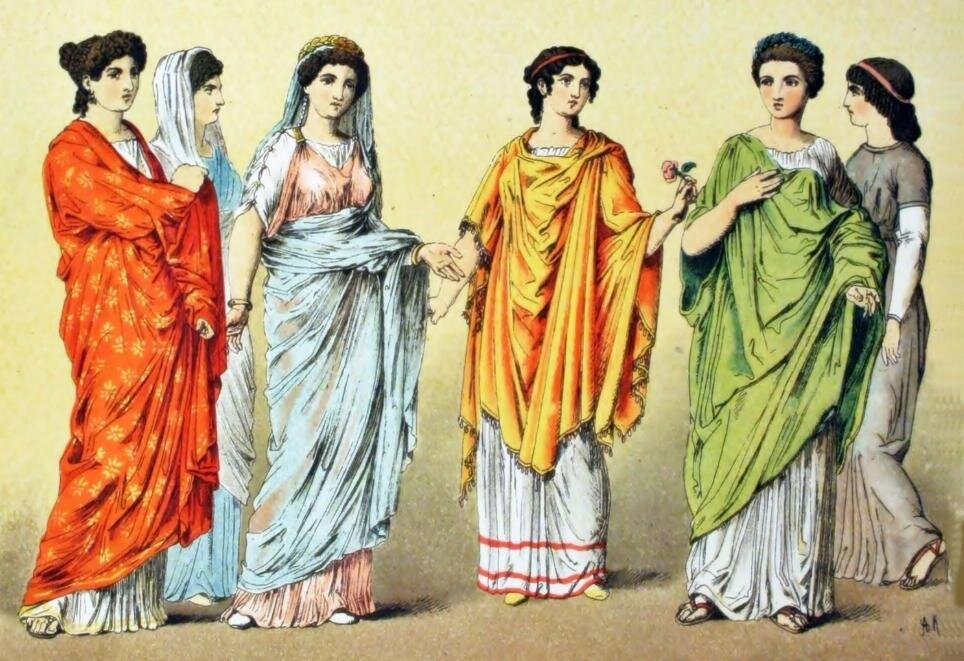
In ancient Greece, women’s roles were predominantly confined to the domestic sphere. They were not allowed to vote, own land, or inherit property. Their primary responsibilities were to manage the household and bear children. The education of girls was limited and focused on skills relevant to their domestic roles, such as music, dancing, and gymnastics.

The status of women varied across different Greek city-states. In Athens, women’s lives were highly restricted, and they were often supervised by male relatives. In contrast, Spartan women had more freedom and were even trained in physical activities to prepare them for their role in raising future warriors. Some exceptional women, such as Sappho, Arete of Cyrene, and Aspasia, managed to rise above the limitations of their society and gain acclaim in fields such as poetry, philosophy, and politics.

Ancient Rome

In ancient Rome, women’s roles were also primarily domestic, focusing on managing the household and raising children. They were subordinate to the male head of the family and required a male guardian to act on their behalf in legal and financial matters. However, Roman women had more rights compared to their Greek counterparts. They could own property, engage in business, and even run estates, although these activities were often subject to male oversight.

Despite these rights, Roman women faced significant social restrictions. They were expected to maintain the family’s honor and were often confined to the domestic sphere. The legal system, while recognizing women’s property rights, still placed them under the control of male relatives, reflecting the patriarchal nature of Roman society.

Conclusion

The social restrictions on women in the ancient world were pervasive and deeply ingrained in the social structures of the time. While there were variations in the extent of these restrictions across different cultures, the common thread was the subordination of women to men in both public and private life. Understanding these historical contexts helps shed light on the long journey towards gender equality that continues to this day.

The Fascinating World of Pygmy Goats

radicalthought.org – Pygmy goats, with their diminutive size and playful nature, have captured the hearts of many animal enthusiasts around the globe. These miniature creatures are not only adorable but also possess a unique set of characteristics that set them apart from other goat breeds. In this article, we will delve into the fascinating world of pygmy goats, exploring their history, characteristics, care, and the joy they bring to those who keep them.

The Origins of Pygmy Goats

The pygmy goat originated from West Africa, where they have been kept by local tribes for centuries. Their small size made them ideal for living in areas with limited space and resources. In the 1950s, pygmy goats were introduced to the United States, primarily for zoos and as exotic pets. Since then, they have become increasingly popular as pets, show animals, and even as therapy animals due to their friendly and approachable nature.

Physical Characteristics

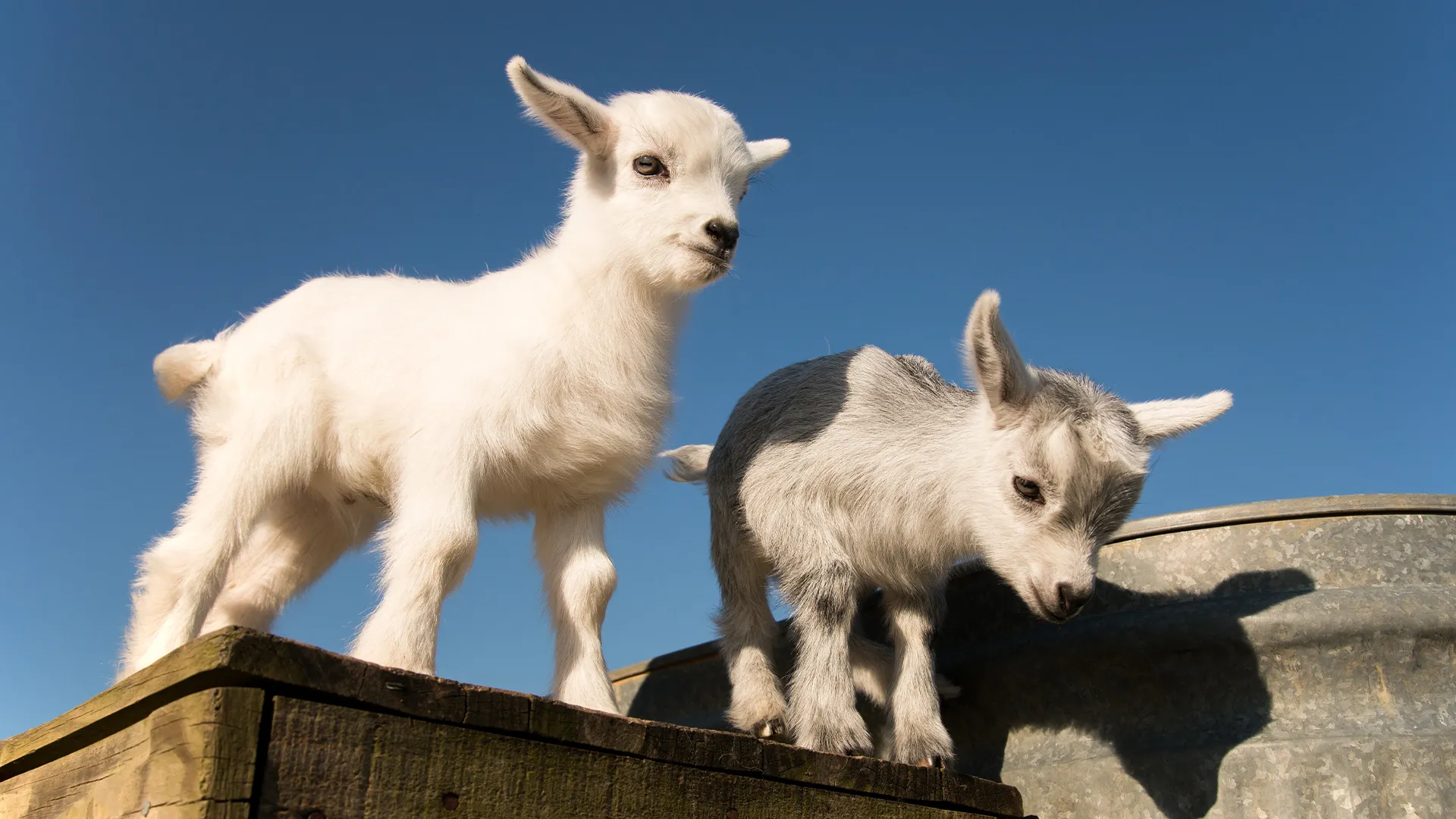
Pygmy goats are known for their small stature, typically weighing between 35 to 55 pounds when fully grown. They have a stocky build, with a broad chest and a short, straight back. Their coat can vary in color, with common patterns including white with brown or black spots. One of the most distinctive features of pygmy goats is their short, upright ears and their bright, inquisitive eyes.

Personality and Behavior

Pygmy goats are renowned for their friendly and sociable nature. They are highly intelligent and curious, often exploring their surroundings with enthusiasm. These goats are also known for their playful antics, which can include jumping, running, and playing with their herd mates or human companions. Their small size makes them ideal for living in smaller spaces, such as backyards, and they are generally easy to handle.

Care and Keeping

Caring for pygmy goats requires attention to their specific needs. They are herd animals and should not be kept alone, as they can become stressed and depressed without companionship. A diet rich in hay, fresh water, and occasional treats is essential for their health. Regular hoof trimming, vaccinations, and deworming are also necessary to keep them in good condition.

Pygmy goats are relatively low-maintenance pets, but they do require a safe and secure environment. A shelter that protects them from the elements and a fenced area where they can graze and play are important components of their habitat.

The Joy of Pygmy Goats

For many, the joy of owning pygmy goats comes from their affectionate nature and the entertainment they provide. They are known to form strong bonds with their human caregivers and can be trained to perform simple tasks. Pygmy goats also participate in shows, where they are judged on their conformation and behavior, further adding to their appeal as a breed.

Conclusion

Pygmy goats are more than just miniature versions of their larger counterparts; they are a unique and fascinating breed with their own set of characteristics and needs. Whether as pets, show animals, or therapy animals, pygmy goats bring joy and companionship to those who welcome them into their lives. Their small size, friendly nature, and playful behavior make them an ideal choice for animal lovers looking for a pet that is both entertaining and easy to care for. As we continue to appreciate the diverse world of animals, pygmy goats stand out as a testament to the charm and delight that can be found in the smallest of creatures.

Global Conflict and Its Impact on the World: World War II

radicalthought.org – World War II, a global conflict that lasted from 1939 to 1945, was the deadliest and most widespread war in history. It involved the vast majority of the world’s nations—including all of the great powers—eventually forming two opposing military alliances: the Allies and the Axis. It was the culmination of several events that had been building up over the course of the 1930s, including the rise of fascism in Europe, the militarization of Japan, and the failure of the League of Nations to maintain peace.

The Origins of World War II

The roots of World War II can be traced back to the Treaty of Versailles, which ended World War I. The harsh terms imposed on Germany led to economic hardship and political instability, creating a fertile ground for the rise of Adolf Hitler and the Nazi Party. In Asia, Japan’s desire for expansion and control over resources led to military aggression in China and other parts of the region.

The Global Scale of the Conflict

World War II was truly a global conflict, with battles fought not only in Europe and Asia but also in Africa, the Pacific, and the Atlantic. The war involved massive military mobilization, with tens of millions of soldiers and civilians being drafted or conscripted. The use of new military technologies, including tanks, aircraft, and submarines, changed the nature of warfare.

The Impact on the World

Human Cost

The human cost of World War II was staggering. It is estimated that 70-85 million people died during the war, including the Holocaust, in which six million Jews were murdered by the Nazis. The war also led to the displacement of millions of people, with many losing their homes and families.

Economic Impact

The economic impact of World War II was profound. The war devastated the economies of many countries, particularly in Europe and Asia. Cities were destroyed, industries were crippled, and infrastructure was damaged. However, the war also led to significant economic growth in the United States, which became the world’s leading industrial power.

Political Changes

The end of World War II led to significant political changes. The United Nations was established to foster international co-operation and prevent future conflicts. The war also led to the end of colonialism, as many countries that had been colonies gained independence in the years following the war.

Technological Advancements

World War II accelerated technological innovation. The development of radar, jet engines, and rocketry all had their roots in the war. Perhaps most notably, the war saw the first use of nuclear weapons, with the United States dropping atomic bombs on the Japanese cities of Hiroshima and Nagasaki in 1945.

Social Changes

The war also brought about significant social changes. Women entered the workforce in large numbers, taking jobs traditionally held by men. This shift in gender roles had a lasting impact on society. Additionally, the war fostered a sense of unity and shared sacrifice among the populations of the Allied nations.

Conclusion

World War II was a pivotal event in world history, reshaping the political, economic, and social landscape. Its impact is still felt today, from the ongoing debate over how to remember the Holocaust to the international institutions that were created in its aftermath. As we look back on this global conflict, it is important to remember the lessons of World War II and strive to build a more peaceful and just world.

Facebook: Connecting the World

radicalthought.org – In the digital age, social media has become a ubiquitous force, shaping the way we communicate, share information, and even conduct business. Among the plethora of platforms available, Facebook stands out as a titan, connecting billions of people across the globe. Since its inception in 2004, Facebook has evolved from a simple college networking site to a complex ecosystem that has redefined the concept of connectivity. This article explores how Facebook has become a pivotal tool in connecting the world, transcending geographical boundaries and cultural barriers.

The Birth of a Social Giant:
Facebook was founded by Mark Zuckerberg, along with fellow Harvard College students Eduardo Saverin, Andrew McCollum, Dustin Moskovitz, and Chris Hughes. Initially launched to connect Harvard students, the platform quickly expanded to other universities and eventually to high school students and the general public. The ease with which users could create profiles, connect with friends, and share content was revolutionary, setting the stage for Facebook’s global expansion.

Connecting Friends and Families:
At its core, Facebook’s mission is to give people the power to build community and bring the world closer together. The platform has become a central hub for maintaining relationships, allowing users to share updates, photos, and life events with friends and family, regardless of distance. It has bridged the gap for those separated by miles, making it possible to stay connected with just a few clicks.

A Global Network:
Facebook’s reach is truly global, with users from every corner of the world. It has become a melting pot of cultures, languages, and perspectives, fostering a sense of global community. Through Facebook, people can learn about different cultures, make friends from other countries, and even practice language skills with native speakers.

Business and Brand Connectivity:
Beyond personal connections, Facebook has become an essential tool for businesses and brands to engage with their audience. With robust advertising tools and analytics, companies can target specific demographics, build brand awareness, and drive sales. Facebook has also enabled small businesses to compete on a global scale, reaching customers they might never have been able to connect with otherwise.

Social Movements and Awareness:
Facebook has played a significant role in social movements, providing a platform for voices that might otherwise go unheard. It has facilitated the organization of protests, the sharing of important news, and the raising of awareness for various causes. Campaigns like the ALS Ice Bucket Challenge and various humanitarian efforts have gone viral on Facebook, demonstrating the platform’s power to mobilize people for a common goal.

Challenges and Criticisms:
Despite its positive impact, Facebook has faced its share of challenges and criticisms. Issues such as privacy concerns, the spread of misinformation, and the impact on mental health have been topics of public debate. The company has been working to address these issues, implementing new policies and technologies to improve user experience and safety.

The Future of Connectivity:
As technology continues to evolve, Facebook is adapting to stay at the forefront of connectivity. With the development of new features like Facebook Messenger, WhatsApp (owned by Facebook), Instagram (also owned by Facebook), and the exploration of virtual reality through Oculus, Facebook is expanding its vision of connecting the world. The future may see even more integrated and immersive experiences that blur the lines between the digital and physical worlds.

Conclusion:
Facebook has come a long way since its inception, evolving into a platform that connects billions of people worldwide. It has revolutionized the way we communicate, do business, and engage with society. While challenges remain, Facebook’s commitment to innovation and connectivity ensures that it will continue to play a crucial role in bringing the world closer together. As we look to the future, it’s clear that Facebook will remain a pivotal force in the ever-expanding landscape of social media and global interaction.

Symbol of Luck and Beauty: The Enchanting World of Koi Carp

Koi carp, renowned for their vibrant colors and serene beauty, have captivated the hearts of people around the world for centuries. Originating from East Asia, these ornamental fish are not only admired for their aesthetic appeal but also hold a significant place in Japanese culture, symbolizing luck, prosperity, and perseverance. This article delves into the fascinating world of Koi carp, exploring their history, characteristics, and the art of keeping them.

Origins and History

The history of Koi carp dates back to ancient China over 2,000 years ago, where they were primarily kept for consumption. It wasn’t until the Song Dynasty (960-1279 AD) that people began to notice and selectively breed Koi for their coloration. The practice of breeding Koi for ornamental purposes was then brought to Japan in the early 1820s, where it quickly gained popularity. The Japanese began to selectively breed these carp for their vibrant colors and patterns, leading to the development of the Koi varieties we know today.

Characteristics and Varieties

Koi carp are a domesticated variety of the common carp (Cyprinus carpio) and can grow up to 3 feet in length and live for over a century under the right conditions. They are known for their large scales, which come in a variety of colors including white, black, red, yellow, blue, and orange. These colors often form beautiful patterns, with some of the most sought-after varieties including the Kohaku, with its red markings on a white background; the Sanke, featuring red, black, and white; and the Showa, which combines black, red, and white in a different pattern than the Sanke.

Symbolism and Cultural Significance

In Japanese culture, Koi carp symbolize good fortune, success, and perseverance. The legend of the Koi carp swimming upstream to become a dragon is a powerful metaphor for overcoming adversity and achieving greatness. This legend, combined with the Koi’s beauty and grace, has made them a popular symbol in art, literature, and even business, where they represent prosperity and advancement.

Keeping Koi Carp

Keeping Koi carp is an art form in itself, requiring a deep understanding of their needs and preferences. Koi thrive in outdoor ponds, where they have plenty of space to swim and explore. The pond should be at least 3 feet deep to protect the Koi from predators and temperature fluctuations. It should also be equipped with a filtration system to keep the water clean and a UV sterilizer to control algae growth.

Feeding Koi is a rewarding experience, as they quickly learn to recognize their owners and come to the surface at feeding time. A balanced diet of high-quality Koi food, supplemented with vegetables and occasional treats, will keep them healthy and vibrant.

Conclusion

Koi carp are more than just beautiful fish; they are symbols of strength, beauty, and resilience. Their rich history, stunning appearance, and cultural significance make them a unique addition to any garden pond. Whether you’re an experienced Koi keeper or simply admire their beauty from afar, there’s no denying the enchanting allure of these magnificent creatures.