Understanding Global Hotspots: Dangerous Territories

radicalthought.org – Around the globe, certain regions stand out as hotspots of danger due to a combination of natural, political, and social factors. Understanding these territories is crucial for enhancing global security, promoting peace, and preparing for natural disasters. This article examines some of the world’s most dangerous hotspots, exploring the underlying causes and potential solutions to mitigate their risks.

Volatility in the Middle East

The Middle East has long been a focus of geopolitical tension and conflict. Factors such as political instability, religious and ethnic divisions, and competition for resources contribute to its volatility. Understanding the historical and cultural complexities of the region is essential for fostering dialogue and pursuing diplomatic solutions. International cooperation and peace-building efforts remain critical to reducing tensions and promoting stability.

The Ring of Fire: Pacific Ocean

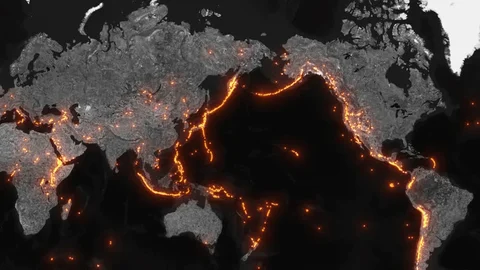
The Pacific Ring of Fire is an area with high seismic activity, including frequent earthquakes and volcanic eruptions. Countries like Japan, Indonesia, and Chile face significant risks from these natural disasters. Advances in technology, such as early warning systems and resilient infrastructure, are key to mitigating the impacts. Collaborative research and information sharing among nations can enhance preparedness and response efforts.

Climate Change Threats in the Arctic

The Arctic region is experiencing rapid changes due to climate change, leading to melting ice caps, rising sea levels, and shifting ecosystems. These changes pose threats to indigenous communities and global weather patterns. Understanding the implications of Arctic warming is crucial for developing policies to combat climate change. International agreements and sustainable practices are necessary to protect this fragile environment.

Political Instability in Sub-Saharan Africa

Sub-Saharan Africa is home to numerous countries facing political instability, often stemming from factors such as poverty, corruption, and ethnic conflict. Addressing these challenges requires a multifaceted approach, including promoting good governance, economic development, and social cohesion. International aid and partnerships can support efforts to build stable and inclusive societies.

Natural Disasters in the Caribbean

The Caribbean region is highly susceptible to hurricanes, which cause devastating impacts on communities and economies. Understanding the patterns and drivers of these natural disasters is essential for improving resilience. Investing in infrastructure, disaster preparedness, and climate adaptation strategies can help mitigate the risks and enhance the region’s ability to recover and thrive.

Conclusion

Global hotspots present significant challenges, but they also offer opportunities for learning and collaboration. By understanding the complexities of these dangerous territories, we can develop effective strategies to address the underlying causes and build a more secure and sustainable future. Cooperation, innovation, and informed policy-making are key to navigating the risks and ensuring the well-being of affected communities worldwide.

The Epitome of Dangerous Men: Villains and Rogues

radicalthought.org – In the realm of storytelling, whether through literature, film, or folklore, the presence of villains and rogues is as essential as the heroes they oppose. These characters, often the epitome of dangerous men, captivate audiences with their cunning, charisma, and capacity for chaos. They are the catalysts for conflict, the architects of intrigue, and the embodiment of the darker aspects of human nature. This article delves into the allure and significance of these dangerous men, exploring their roles in narrative arcs and their impact on the collective imagination.

The Allure of Villains and Rogues

Villains and rogues hold a peculiar fascination for audiences. They are the wild cards, the unpredictable elements that introduce tension and excitement into the narrative. Their motivations, often complex and multifaceted, range from a lust for power to a desire for revenge or a simple love of chaos. This complexity makes them intriguing, as they challenge the audience to understand the darker impulses of human nature.

Moreover, villains and rogues often possess a charisma that is both magnetic and menacing. They are the masters of persuasion, able to rally followers to their cause or manipulate others to their ends. This charisma, combined with their intelligence and resourcefulness, makes them formidable opponents and compelling characters.

The Role of Dangerous Men in Narratives

In storytelling, dangerous men serve several crucial roles. They are the antagonists that heroes must overcome, providing the conflict that drives the narrative forward. Their actions force the hero to grow, to face challenges, and to ultimately triumph (or not, in some cases). Without these adversaries, stories would lack tension and stakes, rendering them dull and unengaging.

Furthermore, villains and rogues often serve as mirrors to the hero, reflecting the hero’s own potential for darkness or highlighting their virtues by contrast. This dynamic adds depth to both characters, making the narrative richer and more complex.

The Impact on the Collective Imagination

The presence of dangerous men in our stories reflects our fascination with the darker aspects of human nature. They embody our fears and desires, our capacity for evil and our struggle against it. By exploring these themes through the lens of fiction, we gain insights into our own nature and the society we’ve built.

Moreover, the most memorable villains and rogues become cultural icons, influencing not just the stories that follow but also the way we perceive the world around us. They challenge our notions of good and evil, reminding us that these concepts are not always as clear-cut as we’d like to believe.

Conclusion

Villains and rogues, the epitome of dangerous men, are integral to the fabric of storytelling. They captivate us with their complexity, challenge us with their actions, and reflect the multifaceted nature of humanity. Through their stories, we explore the depths of our own psyche, confronting the darkness within and without. In the end, it is not just the heroes who shape our narratives, but also the dangerous men who dare to defy them.