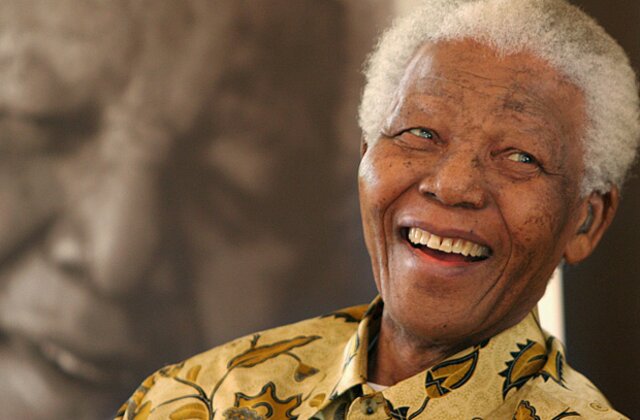
Jeon Do-yeon: A Versatile Actress and Cultural Icon

radicalthought.org – Born on February 11, 1973, in Seoul, South Korea, Jeon Do-yeon has captivated audiences for decades with her stunning beauty and exceptional talent. Her elegant demeanor and versatile acting skills have made her one of the most respected and admired actresses in the Korean entertainment industry.   

A Strong Start

Jeon Do-yeon began her acting career in the early 1990s, quickly gaining recognition for her natural talent and captivating screen presence. Her breakthrough role came in 1997 with the film “The Contact,” which garnered critical acclaim and established her as a promising young actress.   

A Versatile Performer

Jeon Do-yeon is renowned for her versatility as an actress. She has seamlessly transitioned between various genres, from romantic comedies to intense dramas. Her ability to embody complex characters with depth and nuance has earned her numerous awards and accolades.   

A Global Recognition

Jeon Do-yeon’s international breakthrough came with her role in the 2007 film “Secret Sunshine,” which earned her the Best Actress award at the Cannes Film Festival. Her powerful performance in the film garnered critical acclaim and solidified her status as a global star.   

A Philanthropic Heart

Beyond her acting career, Jeon Do-yeon is known for her philanthropic endeavors. She has actively participated in various charitable causes, donating to organizations that support children, the elderly, and those in need. Her commitment to giving back to society has earned her immense respect and admiration.

A Cultural Icon

Jeon Do-yeon is considered a cultural icon in South Korea. Her elegant and sophisticated style has inspired countless fans and continues to set trends. She is often praised for her humility, professionalism, and dedication to her craft.

A Lasting Legacy

Jeon Do-yeon’s enduring popularity and timeless beauty have made her a beloved figure in South Korea. Her contributions to the Korean entertainment industry are immeasurable, and her legacy as a talented actress and compassionate human being will continue to inspire future generations.


Anja Rubik: A Global Fashion Icon – A Polish Beauty

radicalthought.org – Anja Rubik, born Anna Helena Rubik on June 12, 1983, in Rzeszów, Poland, is an internationally renowned model, activist, philanthropist, and entrepreneur. With her striking beauty, androgynous features, and commanding presence, Rubik has consistently graced the catwalks and covers of the world’s most prestigious fashion magazines.

Early Career and Rise to Fame

Rubik’s modeling career took off in the late 1990s. Discovered at the age of 16, she quickly became a sought-after model, gracing the covers of Vogue, Harper’s Bazaar, and Elle. Her distinctive look, a blend of classic beauty and modern edge, made her a favorite among top fashion photographers like Steven Meisel, Mario Testino, and Peter Lindbergh.

A Global Fashion Icon

Rubik’s influence on the fashion industry is undeniable. She has walked the runways of the world’s top fashion houses, including Chanel, Dior, Prada, and Versace. Her androgynous beauty and fearless attitude have challenged traditional notions of femininity and beauty, making her a symbol of modern womanhood.

Beyond the Runway

In addition to her modeling career, Rubik is a passionate advocate for various social causes. She is a founder of SEXEDpl, a foundation dedicated to promoting comprehensive sex education in Poland. She is also actively involved in supporting women’s rights and the LGBTQ+ community.

Rubik’s impact extends beyond the fashion industry. She has ventured into the world of entrepreneurship, launching her own clothing line and collaborating with various brands. Her unique perspective and strong sense of style have made her a successful businesswoman.

A Timeless Icon

Anja Rubik’s legacy as a global fashion icon is secure. Her influence on the fashion industry continues to inspire and shape trends. As she continues to evolve and break boundaries, she remains a powerful force in the world of fashion and beyond.

Anita Ekberg: A Cinematic Exploration of a Hollywood Icon

radicalthought.org – “Becoming Anita Ekberg” is a captivating documentary film directed by Mark Rappaport, offering a fascinating look into the life and career of the iconic Swedish actress, Anita Ekberg. This short film delves into the construction of Ekberg’s public image, exploring how she transformed from a promising young actress to an international sex symbol.   

The Making of a Hollywood Icon

The documentary examines the role of film directors, particularly Frank Tashlin and Federico Fellini, in shaping Ekberg’s persona. Her iconic role as Sylvia in Fellini’s “La Dolce Vita,” where she wades through the Trevi Fountain, solidified her status as a symbol of timeless beauty and sensuality.   

Beyond the Screen

“Becoming Anita Ekberg” not only explores her cinematic legacy but also delves into the personal and professional challenges she faced. It sheds light on the complex relationship between the public image of a celebrity and their private self. The film highlights the impact of societal expectations and the media on shaping a star’s identity.   

A Visual Feast

The documentary is visually stunning, featuring clips from Ekberg’s films, archival footage, and stylish editing. The juxtaposition of historical footage with contemporary analysis creates a captivating viewing experience.

A Lasting Legacy

“Becoming Anita Ekberg” is a tribute to a legendary actress whose influence continues to inspire and captivate audiences. It offers a fresh perspective on her life and career, inviting viewers to reconsider her legacy and the complex interplay between image and reality.

Whether you’re a fan of classic cinema or simply interested in the history of Hollywood, “Becoming Anita Ekberg” is a must-watch. It’s a thought-provoking exploration of the power of film to shape culture and the enduring allure of its stars.

The Anti-Apartheid Icon and President: Nelson Mandela

radicalthought.org – Nelson Rolihlahla Mandela, affectionately known by his clan name, Madiba, was born on July 18, 1918, in the village of Mvezo, in the Eastern Cape of South Africa. He was born into the royal family of the Xhosa-speaking Thembu tribe, with his father serving as a chief. After his father’s death in 1927, Mandela was adopted by Chief Jongintaba Dalindyebo, who began grooming him for a role within the tribal leadership.

Mandela was the first in his family to receive a formal education. He attended a local missionary school, where a teacher gave him the English name Nelson. He later attended Clarkebury Boarding Institute and Healdtown, a Methodist secondary school, where he excelled in academics and sports. In 1939, he entered the University of Fort Hare, but was expelled for participating in a student protest.

Political Awakening and Activism

Mandela’s political awakening began in the 1940s when he joined the African National Congress (ANC) in 1944. He helped form the ANC Youth League (ANCYL) and became increasingly involved in the anti-apartheid movement. Apartheid, a system of institutionalized racial segregation and discrimination, was officially implemented in 1948 by the National Party, which further restricted the rights of non-white South Africans.

Mandela’s activism included leading the ANC’s 1952 Campaign for the Defiance of Unjust Laws, which involved organizing protests against discriminatory policies. He also helped draft the Freedom Charter, a document that called for a non-racial democracy in South Africa. In 1952, Mandela and his friend Oliver Tambo opened South Africa’s first Black law firm, providing free or low-cost legal counsel to those affected by apartheid legislation.

Imprisonment and International Icon

In 1962, Mandela was arrested and sentenced to life imprisonment for his anti-apartheid activities. He spent 27 years in prison, most of which was spent on Robben Island. During his imprisonment, Mandela became a symbol of the struggle against apartheid and a global icon for human rights. His unwavering commitment to justice and equality inspired people around the world to support the anti-apartheid movement.

Presidency and Legacy

Mandela was released from prison in 1990, and in 1994, he became South Africa’s first Black president. His presidency was marked by efforts to reconcile the nation’s divided communities and to build a democratic and non-racial society. Mandela formed a multiethnic government to oversee the country’s transition from apartheid to democracy. He also worked to address the social and economic inequalities that had been exacerbated by apartheid.

Mandela’s leadership extended beyond South Africa’s borders. He was a global advocate for human rights and peace, and in 1993, he was awarded the Nobel Peace Prize, which he shared with F.W. de Klerk, the last president of apartheid-era South Africa. Mandela retired from politics in 1999 but continued to champion social justice causes until his death on December 5, 2013, at the age of 95.

Conclusion

Nelson Mandela’s life was a testament to the power of perseverance, forgiveness, and reconciliation. His struggle against apartheid and his efforts to build a democratic South Africa have left an indelible mark on the world. Mandela’s legacy continues to inspire generations to fight for justice, equality, and human rights. He remains a symbol of hope and a beacon of light in the ongoing struggle for a more just and equitable world.

The Journey of App Development: From Idea to Icon

In the digital age, apps have become ubiquitous, transforming the way we communicate, work, and entertain ourselves. Behind every successful app, there is a journey—a transformation from a mere idea to an icon that millions rely on daily. This journey is complex, involving creativity, technical expertise, and strategic planning. Here, we explore the stages of app development, from the initial spark of inspiration to the final product that captures the world’s imagination.

The Idea

Every journey begins with a single step, and in app development, that step is an idea. This idea could stem from a personal need, a market gap, or an innovative concept that challenges the status quo. The key to a successful app idea is its ability to solve a problem or fulfill a desire in a unique and compelling way.

Market Research

Once an idea is conceived, the next step is to validate it through thorough market research. This involves understanding the target audience, analyzing competitors, and identifying the unique value proposition of the app. Market research helps refine the idea and ensures that the app will meet a real need in the market.

Planning and Strategy

With a validated idea, the next phase is planning and strategy. This includes defining the app’s features, user experience, and design. It’s crucial to create a roadmap that outlines the development process, including milestones and deadlines. A solid strategy also considers the app’s monetization model, whether through ads, in-app purchases, or a subscription service.

Design

Design is a critical component of app development. It’s not just about aesthetics; it’s about creating an intuitive and engaging user interface (UI) and user experience (UX). The design phase involves creating wireframes and prototypes, which are essentially blueprints of the app’s layout and functionality. This stage is iterative, with constant feedback and adjustments to ensure the design meets the users’ needs.

Development

With the design in place, the development phase begins. This is where the app is brought to life through coding. The choice of technology stack—the programming languages, frameworks, and tools—depends on the app’s requirements and the platforms it will support (iOS, Android, or both). The development process is divided into several stages, including front-end development (the user-facing side of the app), back-end development (the server-side logic), and integration of APIs and databases.

Testing

Testing is a critical phase that ensures the app is reliable, performs well, and is free of bugs. It involves various types of testing, including unit testing, integration testing, and user acceptance testing (UAT). Testers may also conduct usability tests to gather feedback on the app’s design and functionality. This feedback is invaluable for making improvements before the app’s launch.

Launch

After rigorous testing and refinement, the app is ready for launch. This involves submitting the app to the respective app stores (Apple’s App Store, Google Play Store, etc.) and adhering to their guidelines. The launch also includes marketing efforts to create buzz and attract users. A well-executed launch strategy can make a significant difference in the app’s success.

Post-Launch

The journey doesn’t end with the launch. In fact, it’s just the beginning. The post-launch phase involves monitoring the app’s performance, gathering user feedback, and making necessary updates and improvements. It’s also about engaging with the user community, promoting the app, and possibly expanding its features through updates.

From Idea to Icon

The journey from an idea to an app icon on users’ devices is a testament to the creativity, hard work, and perseverance of the development team. It’s a process that requires a deep understanding of both technology and the market. Successful apps are those that not only solve a problem but also delight their users. As the app ecosystem continues to evolve, the journey of app development remains an exciting and dynamic field, full of potential for innovation and growth.