Understanding Global Hotspots: Dangerous Territories

radicalthought.org – Around the globe, certain regions stand out as hotspots of danger due to a combination of natural, political, and social factors. Understanding these territories is crucial for enhancing global security, promoting peace, and preparing for natural disasters. This article examines some of the world’s most dangerous hotspots, exploring the underlying causes and potential solutions to mitigate their risks.

Volatility in the Middle East

The Middle East has long been a focus of geopolitical tension and conflict. Factors such as political instability, religious and ethnic divisions, and competition for resources contribute to its volatility. Understanding the historical and cultural complexities of the region is essential for fostering dialogue and pursuing diplomatic solutions. International cooperation and peace-building efforts remain critical to reducing tensions and promoting stability.

The Ring of Fire: Pacific Ocean

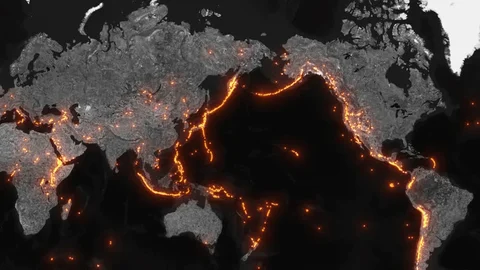
The Pacific Ring of Fire is an area with high seismic activity, including frequent earthquakes and volcanic eruptions. Countries like Japan, Indonesia, and Chile face significant risks from these natural disasters. Advances in technology, such as early warning systems and resilient infrastructure, are key to mitigating the impacts. Collaborative research and information sharing among nations can enhance preparedness and response efforts.

Climate Change Threats in the Arctic

The Arctic region is experiencing rapid changes due to climate change, leading to melting ice caps, rising sea levels, and shifting ecosystems. These changes pose threats to indigenous communities and global weather patterns. Understanding the implications of Arctic warming is crucial for developing policies to combat climate change. International agreements and sustainable practices are necessary to protect this fragile environment.

Political Instability in Sub-Saharan Africa

Sub-Saharan Africa is home to numerous countries facing political instability, often stemming from factors such as poverty, corruption, and ethnic conflict. Addressing these challenges requires a multifaceted approach, including promoting good governance, economic development, and social cohesion. International aid and partnerships can support efforts to build stable and inclusive societies.

Natural Disasters in the Caribbean

The Caribbean region is highly susceptible to hurricanes, which cause devastating impacts on communities and economies. Understanding the patterns and drivers of these natural disasters is essential for improving resilience. Investing in infrastructure, disaster preparedness, and climate adaptation strategies can help mitigate the risks and enhance the region’s ability to recover and thrive.

Conclusion

Global hotspots present significant challenges, but they also offer opportunities for learning and collaboration. By understanding the complexities of these dangerous territories, we can develop effective strategies to address the underlying causes and build a more secure and sustainable future. Cooperation, innovation, and informed policy-making are key to navigating the risks and ensuring the well-being of affected communities worldwide.
Understanding Hereditary Cancer Risks: The Genetic Link

radicalthought.org – Cancer is a complex disease influenced by a multitude of factors, including genetics, lifestyle, and environmental exposures. While not all cancers are hereditary, a significant portion can be attributed to genetic mutations passed down through generations. Understanding the genetic link to cancer can empower individuals and families to take proactive steps in managing their health and potentially reducing their risk of developing the disease.

The Basics of Hereditary Cancer

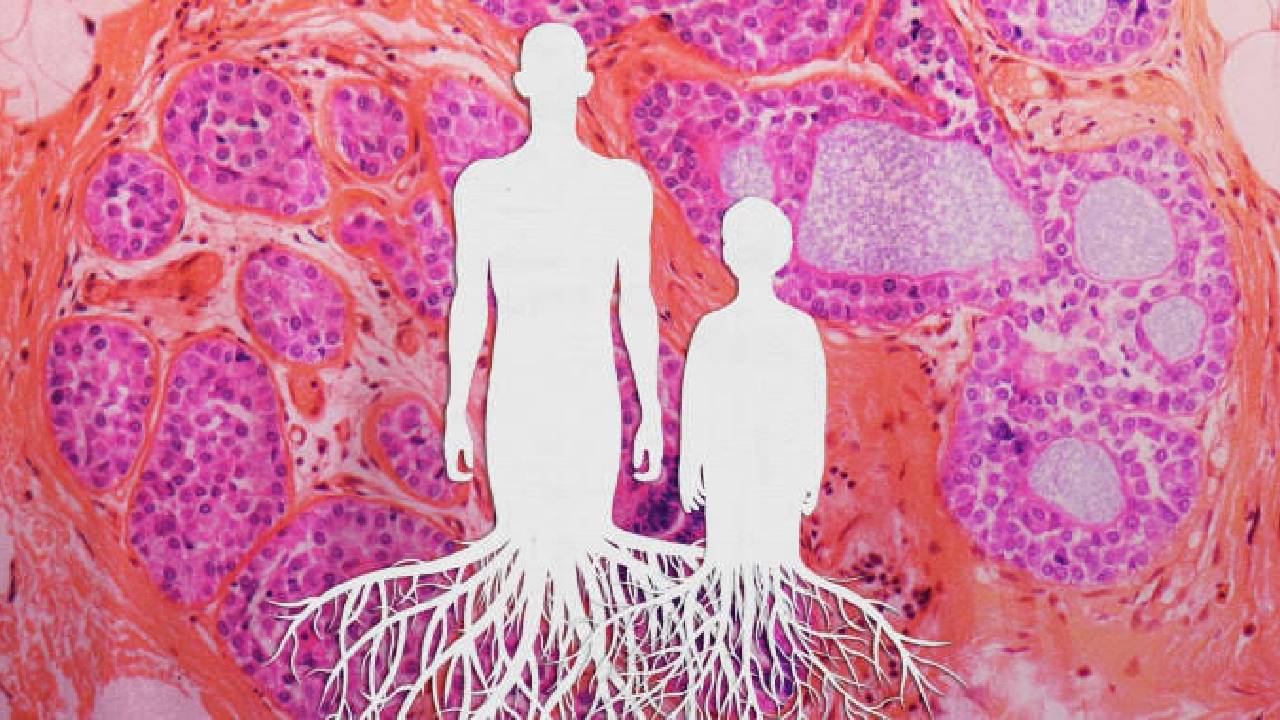
Hereditary cancer is caused by gene mutations that are passed from parent to child. These mutations can significantly increase the risk of developing certain types of cancer. It’s important to note that having a genetic mutation does not guarantee that cancer will develop, but it does increase the likelihood.

Common Hereditary Cancer Syndromes

Several hereditary cancer syndromes have been identified, each associated with specific genetic mutations and cancer risks. Some of the most well-known include:

  • BRCA1 and BRCA2 mutations: These mutations are most commonly associated with an increased risk of breast and ovarian cancer, but they can also increase the risk of other cancers, such as pancreatic and prostate cancer.
  • Lynch syndrome (hereditary nonpolyposis colorectal cancer, or HNPCC): This syndrome is linked to a higher risk of colon, endometrial, and other cancers.
  • Li-Fraumeni syndrome: This syndrome is associated with a mutation in the TP53 gene, which can lead to a variety of cancers, including breast cancer, sarcomas, brain tumors, and leukemia.

Identifying Hereditary Cancer Risks

Identifying hereditary cancer risks typically involves a thorough family history analysis and, in many cases, genetic testing. A detailed family history can reveal patterns of cancer that may suggest a hereditary component. Genetic testing can then be used to confirm or rule out specific genetic mutations.

The Role of Genetic Counseling

Genetic counseling is a critical component of understanding hereditary cancer risks. A genetic counselor can help interpret family history and genetic test results, provide information about cancer risks, and discuss options for cancer screening and risk reduction.

Managing Hereditary Cancer Risks

For individuals with hereditary cancer risks, managing those risks can involve a combination of regular cancer screenings, lifestyle modifications, and, in some cases, preventive surgeries or medications. It’s important for individuals to work closely with their healthcare providers to develop a personalized risk management plan.

Conclusion

Understanding the genetic link to cancer is a powerful tool in the fight against the disease. By recognizing hereditary cancer risks and taking proactive steps to manage those risks, individuals and families can significantly impact their cancer prevention and management strategies. As research in genetics and cancer continues to evolve, the ability to identify and mitigate hereditary cancer risks will only improve, offering hope for a future where cancer’s impact is greatly diminished.