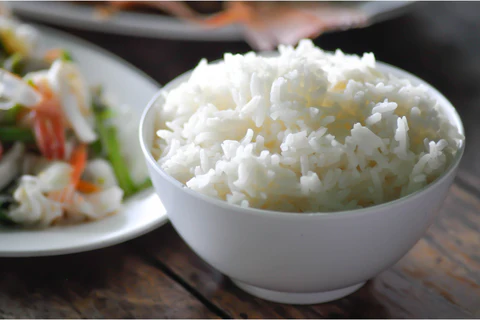
Rice: A Global Staple Food – A Versatile Grain

radicalthought.org – Rice, a staple food for billions of people worldwide, is a versatile grain with a rich history. Its cultivation dates back thousands of years to ancient civilizations in Asia. Today, rice is a cornerstone of many cultures, especially in East Asia, Southeast Asia, South Asia, and parts of Africa and Latin America.

Types of Rice

There are numerous varieties of rice, each with its unique characteristics and culinary uses. Some of the most common types include:

  • Long-Grain Rice: This type of rice has long, slender grains that separate easily when cooked. It is commonly used in pilafs, stir-fries, and sushi.
  • Medium-Grain Rice: This rice has shorter, wider grains than long-grain rice. It is often used in casseroles, puddings, and other dishes.
  • Short-Grain Rice: This type of rice has short, round grains that become sticky when cooked. It is ideal for sushi, rice cakes, and other sticky rice dishes.
  • Wild Rice: This is not true rice but rather the seed of an aquatic grass. It has a nutty flavor and is often used in soups, salads, and as a side dish.

The Cultivation of Rice

Rice cultivation is a complex process that requires specific environmental conditions, including abundant water and warm temperatures. Rice is typically grown in flooded fields, where the plants are submerged in water for most of their growth cycle.

The Nutritional Value of Rice

Rice is a good source of carbohydrates, which provide energy. It also contains essential vitamins and minerals, such as thiamine, niacin, and iron. Brown rice, a whole-grain variety, is particularly nutritious as it retains the bran and germ, which are rich in fiber and other nutrients.

Rice in Global Cuisine

Rice is a key ingredient in countless cuisines around the world. In Asian cuisine, rice is often served with various dishes, such as stir-fries, curries, and soups. In Latin America, rice is a staple food and is often cooked with beans, vegetables, and meat. In the Middle East, rice is used in pilafs and other dishes, often flavored with spices like saffron and cardamom.

The Future of Rice

As the global population continues to grow, the demand for rice is expected to increase. Scientists and farmers are working to develop new rice varieties that are more resilient to climate change, pests, and diseases. Additionally, there is a growing interest in sustainable rice cultivation practices to minimize environmental impact and ensure food security for future generations.

The Cozy Appeal of Winter Comfort Foods

radicalthought.org – As the chill of winter sets in, there’s something undeniably comforting about wrapping our hands around a warm bowl of soup or sinking our spoons into a hearty stew. Winter comfort foods are more than just sustenance; they’re a source of warmth, nostalgia, and joy during the colder months. These dishes have a way of warming us from the inside out, both physically and emotionally.

The Warmth of Winter Comfort Foods

Winter comfort foods are characterized by their ability to provide warmth, both literal and metaphorical. A hot bowl of chili, a slice of homemade apple pie, or a plate of macaroni and cheese can chase away the shivers caused by the coldest of winter days. The warmth of these dishes not only heats the body but also brings a sense of coziness and contentment.

Nostalgia and Tradition

Many winter comfort foods are tied to family traditions and memories. The aroma of grandma’s chicken soup simmering on the stove or the taste of mom’s beef stew can evoke powerful memories and feelings of home and family. These dishes are often passed down through generations, becoming a cherished part of family history and tradition.

The Joy of Sharing

Winter comfort foods are also synonymous with sharing and community. Whether it’s a potluck dinner with friends, a family gathering, or a community event, these foods bring people together. Sharing a meal, especially one that’s warm and comforting, can strengthen bonds and create a sense of belonging and togetherness.

The Variety of Comfort Foods

Winter comfort foods come in a variety of forms, from soups and stews to casseroles and baked goods. Each region and culture has its own version of comfort food, reflecting local ingredients and culinary traditions. From the rich, creamy flavors of French onion soup to the spicy warmth of Indian dal, there’s a comfort food to suit every palate.

The Health Benefits

While comfort foods are often thought of as indulgent, many of them are also nutritious. Soups and stews, for example, are packed with vegetables and can be a great source of vitamins and minerals. Whole grain breads and pastas provide fiber, and even desserts can be made with wholesome ingredients like fruits and nuts.

Conclusion

Winter comfort foods are more than just a way to fill our stomachs; they’re a way to warm our hearts and souls. They remind us of home, family, and tradition, and they bring people together in a way that few other things can. So as the winter winds howl outside, take comfort in the knowledge that there’s a warm, delicious meal waiting to be enjoyed. Whether you’re cooking for yourself or sharing with loved ones, winter comfort foods are sure to provide the cozy appeal we all crave during the coldest months of the year.