Baklava: A Sweet Symphony of Layers – A Taste of History

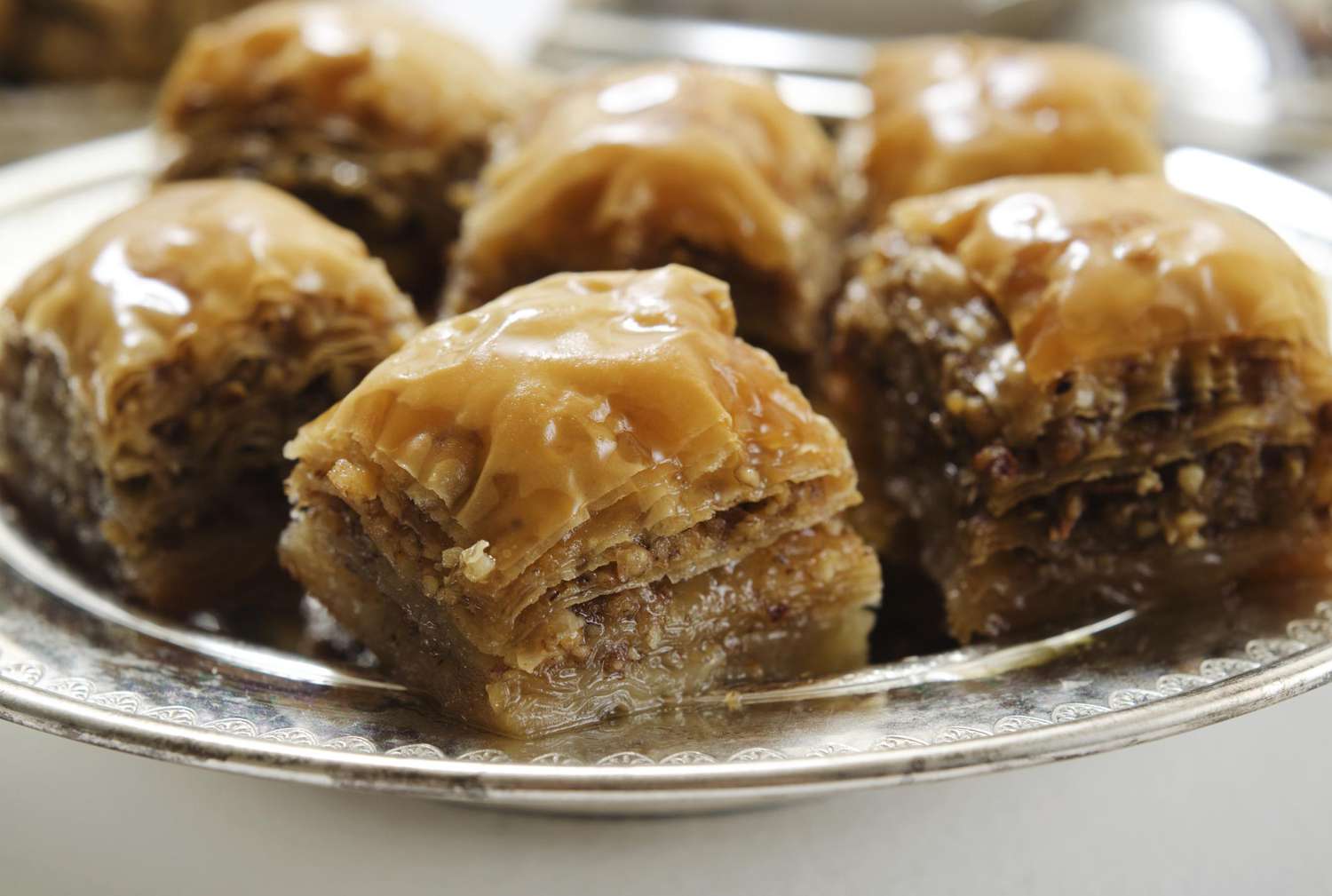
radicalthought.org – Baklava, a decadent and irresistible dessert, is a beloved treat in many cultures, particularly in the Middle East and the Balkans. This rich and flavorful pastry is made with layers of delicate filo dough, filled with chopped nuts, and drenched in a sweet syrup. The result is a heavenly dessert that is both crispy and chewy.

A Taste of History

The origins of baklava can be traced back to the Ottoman Empire, where it was first enjoyed by the royal court. Over time, the recipe spread throughout the region, and different cultures added their own unique twists. Today, baklava is enjoyed in many countries, and it’s often served during special occasions, such as weddings, festivals, and religious holidays.

A Delicate Art

The preparation of baklava is a delicate and time-consuming process. The filo dough, which is paper-thin and incredibly fragile, is layered meticulously, with each layer brushed with melted butter. The filling, typically made with chopped nuts like pistachios, walnuts, or almonds, is spread over the dough. Once the layers are assembled, the baklava is baked until golden brown.

A Sweet Symphony

After baking, the baklava is drenched in a sweet syrup, which is often flavored with honey, sugar, and rose water. The syrup seeps into the layers of pastry, creating a moist and flavorful dessert. The combination of the crispy pastry, the nutty filling, and the sweet syrup is a truly irresistible experience.

A Global Delight

Baklava has become a global phenomenon, and it’s now enjoyed by people of all cultures. It’s often served with a cup of Turkish coffee or tea, and it’s a popular dessert in many restaurants and bakeries around the world. Whether you’re a fan of sweet treats or simply looking for a delicious indulgence, baklava is sure to satisfy your cravings.
Crème Brûlée: A Classic French Dessert – Sweet and Crunchy

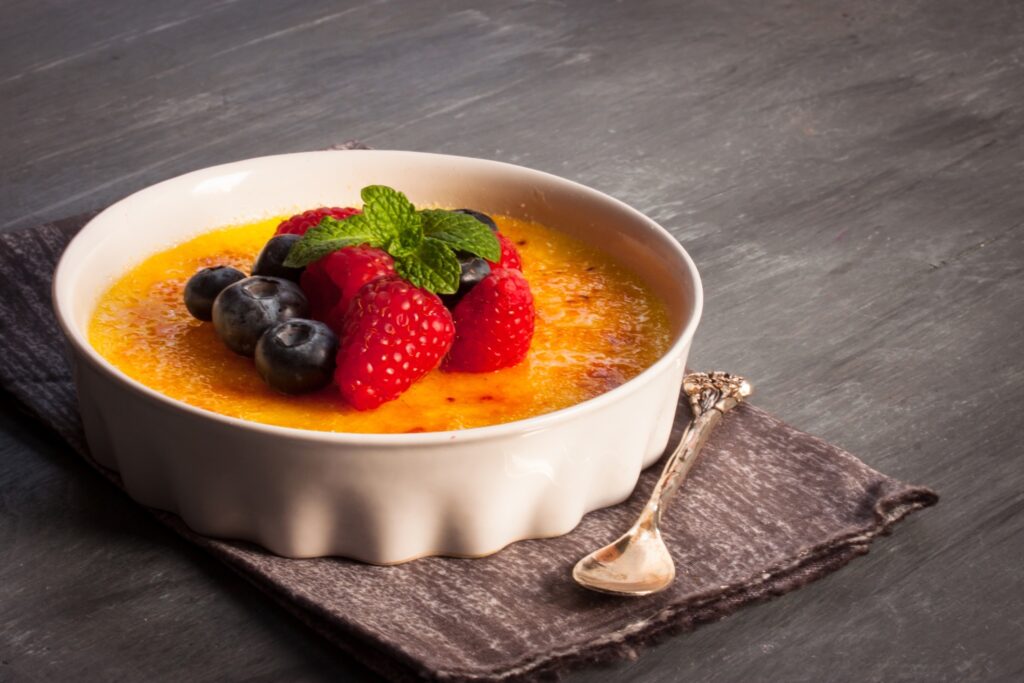
radicalthought.org – Crème Brûlée, a classic French dessert, is a delightful combination of creamy custard topped with a layer of caramelized sugar. This elegant dessert is a perfect balance of sweet and crunchy, rich and delicate.

A Timeless Treat

While the exact origins of Crème Brûlée are unknown, it is believed to have emerged in 17th-century France. The name “crème brûlée” translates to “burnt cream,” referring to the caramelized sugar crust. Over the centuries, this dessert has become a beloved classic, enjoyed by people around the world.

The Art of Crème Brûlée

The key to a perfect Crème Brûlée lies in the delicate balance of flavors and textures. The custard base is typically made with cream, egg yolks, sugar, and vanilla. The custard is baked in a water bath until it is set but still slightly jiggly. Once cooled, a layer of sugar is sprinkled over the top and caramelized with a kitchen torch.

A Culinary Masterpiece

The caramelized sugar crust provides a satisfying crunch, while the creamy custard offers a rich and indulgent experience. The contrast between the crisp, sweet crust and the smooth, velvety custard is a true delight.

A Modern Twist

While the classic Crème Brûlée recipe is beloved by many, modern chefs have put their own unique spin on this iconic dessert. Some have experimented with different flavors, such as chocolate or fruit, while others have incorporated exotic ingredients, like saffron or cardamom. However, the core elements of the dish – the creamy custard and the caramelized sugar crust – remain unchanged.

A Timeless Dessert

Crème Brûlée is a timeless dessert that continues to captivate taste buds. Its elegant presentation and exquisite flavor make it a perfect ending to any meal. Whether you’re a seasoned home cook or a novice baker, Crème Brûlée is a dish that is well worth the effort.

Candy Corn Chaos: Halloween’s Most Polarizing Treat

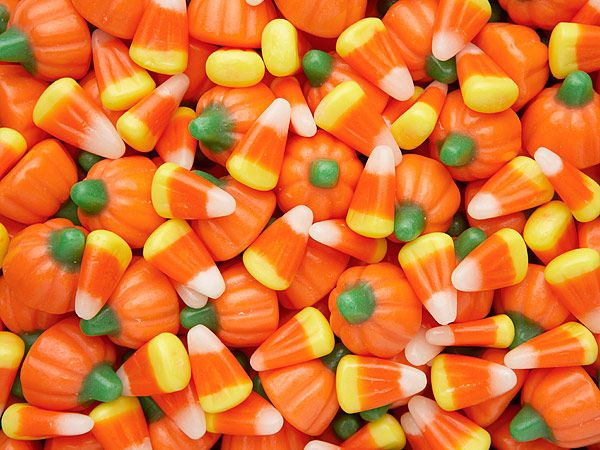
radicalthought.org – Every year as the leaves begin to change and the air grows crisp, a familiar symbol of Halloween creeps into stores and homes across the nation: candy corn. This tri-colored candy, with its simple flavors and distinct shape, has become an emblem of the spooky season. Yet, while some welcome its return with nostalgic delight, others view it with disdain, sparking a debate that has divided the nation. This is the tale of Candy Corn Chaos, a saga of love and loathing for a confectionery icon.

The Origins of Candy Corn

Candy corn’s journey began in the early 19th century, with its exact origins shrouded in mystery. The first printed mention of candy corn appeared in 1844, but it was not until 1880 that the Goelitz Candy Company (now known as Jelly Belly) began mass-producing the candy. Initially marketed as “chicken feed,” the candies were sold in novelty chicken boxes and quickly became a staple of American Halloween traditions.

The Great Candy Corn Debate

The debate over candy corn’s taste and texture is as old as the candy itself. Proponents argue that candy corn’s simplicity is its charm, with its subtle sweetness and iconic flavor profile. They celebrate its role in Halloween festivities, from decorating cupcakes to filling trick-or-treat bags.

On the other side, detractors claim that candy corn’s waxy texture and overly sweet flavor make it the least desirable of Halloween treats. Critics often cite its divisive nature, with some going as far as to call it the “coal” of the candy world, a lump of disappointment amidst the chocolate and sour goodies.

The Cultural Impact of Candy Corn

Despite the controversy, candy corn has cemented its place in American culture. It has inspired a variety of spin-offs, including pumpkin, reindeer, and even bacon-flavored versions. Candy corn has also made its way into popular media, appearing in television shows, movies, and even becoming the subject of memes.

The Science of Candy Corn

The unique properties of candy corn have intrigued scientists and food enthusiasts alike. The candy’s distinct layers are created through a process of starch molding, which allows manufacturers to create the candy’s signature shape and flavor gradient. The outer shell is made of sugar syrup, while the inside is a mixture of sugar, corn syrup, and marshmallow creme, giving it its soft, chewy texture.

Candy Corn Chaos: A Love Letter to the Controversial Candy

For those who love candy corn, the chaos surrounding its reception is part of its charm. It’s a symbol of Halloween, a time when the ordinary gives way to the extraordinary, and the boundaries between love and hate blur in the spirit of fun and festivity. Candy corn represents tradition, nostalgia, and the simple joys of childhood.

Conclusion

Candy corn chaos may never subside, and perhaps that’s for the best. The debate over this polarizing candy adds a layer of intrigue to the Halloween season, sparking conversations and creating memories. Whether you love it or hate it, candy corn is here to stay, a testament to the enduring power of tradition and the complex tapestry of American tastes. So, this Halloween, as you reach into your candy bowl, consider the chaos and controversy that a simple piece of candy corn can inspire.