Odd Taxi: A Mystery with a Cast of Anthropomorphic Animals

radicalthought.org – Odd Taxi presents a unique and captivating blend of slice-of-life, mystery, and social commentary, all set within a world populated by anthropomorphic animals. The seemingly mundane daily life of a walrus taxi driver becomes entangled in a complex web of disappearances, conspiracies, and interconnected characters.   

Hiroshi Odokawa: The Cynical Taxi Driver

The story centers around Hiroshi Odokawa, a 41-year-old walrus who works as a taxi driver in Tokyo. He is a quiet, cynical, and somewhat detached observer of the city’s inhabitants. His taxi becomes a microcosm of urban life, as he encounters a diverse cast of characters with their own secrets and motivations.   

A Web of Interconnected Characters and Events

Odd Taxi excels at weaving together a complex narrative through the interactions of its diverse cast. The seemingly unrelated stories of various passengers, including a struggling idol, a college student seeking fame online, a delinquent, and a police officer, gradually intertwine, revealing a larger mystery at play.

A Noir Atmosphere and Social Commentary

The series draws heavily from film noir aesthetics, creating a dark and atmospheric backdrop for its story. It also offers subtle social commentary on modern life, touching on themes of social media obsession, economic inequality, and the pressures of urban living.

A Slow-Burn Mystery with a Satisfying Payoff

Odd Taxi is a slow-burn mystery that gradually builds suspense and reveals its secrets over time. The series rewards patient viewers with a satisfying payoff as the seemingly disparate threads of the narrative come together in a surprising and impactful way. The dialogue is sharp and witty, and the character interactions are realistic and engaging.   

A Must-Watch for Fans of Mystery and Character-Driven Stories

Odd Taxi is a must-watch for fans of mystery, character-driven narratives, and those who appreciate unique and well-crafted stories. Its distinctive art style, compelling characters, and intricate plot make it a standout anime that offers a fresh and engaging perspective on the mystery genre. The series’ ability to blend slice-of-life elements with a compelling mystery, all within a unique anthropomorphic setting, makes it a truly memorable experience.
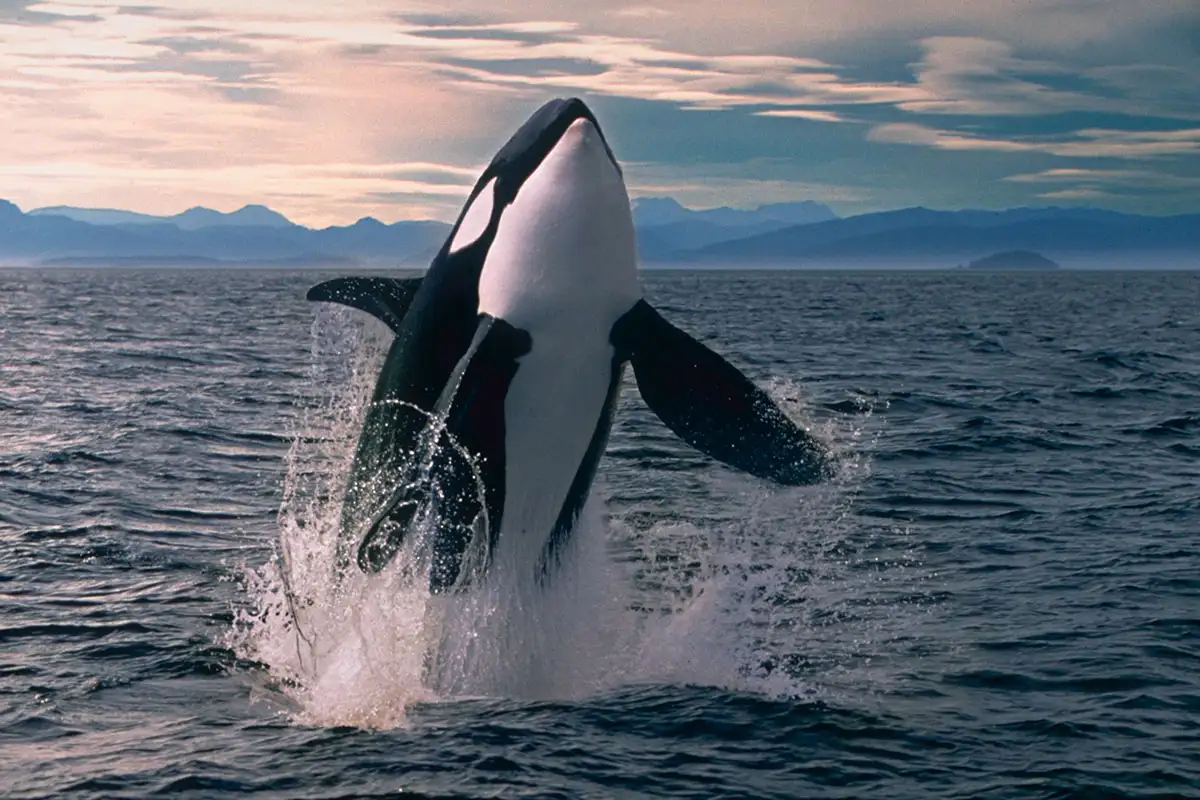
Apex Predator of the Seas: The Orca

In the vast, mysterious expanse of the world’s oceans, there reigns a creature of unparalleled power and intelligence, a true apex predator that commands both fear and respect from all who encounter it. This creature is the orca, also known as the killer whale, a majestic and formidable member of the ocean’s ecosystem.

Orcas are the largest members of the dolphin family, with adults typically ranging from 19 to 32 feet in length and weighing up to six tons. Their striking appearance, characterized by a sleek, black body with a white underside and a distinctive, tall dorsal fin, makes them instantly recognizable. Despite their name, orcas are not whales; they are actually part of the oceanic dolphin family, known for their intelligence and complex social structures.

The orca’s status as an apex predator is well-earned. With a diet that includes fish, squid, seals, sea lions, walruses, and even other whales, orcas have no natural predators. Their hunting strategies are as diverse as their diet, often involving complex cooperative behaviors that demonstrate their remarkable intelligence. For example, orcas have been observed working together to corral fish into tight groups, known as “bait balls,” or using waves to dislodge seals from ice floes.

One of the most astonishing aspects of orca behavior is their use of echolocation, a sophisticated method of navigation and hunting that involves emitting clicks and sounds that bounce off objects and return as echoes, allowing the orcas to “see” their surroundings and prey in the dark ocean depths.

Orcas are also known for their strong family bonds and complex social structures. They live in matriarchal pods, which are led by the oldest and often largest female. These pods can range in size from a few individuals to several dozen, and they work together to hunt, raise their young, and protect their territory. The bonds within these pods are lifelong, and orcas have been known to assist injured or sick members for extended periods.

The intelligence of orcas is legendary, with their brain size and complexity rivaling that of humans. They have been observed using tools, such as using sea sponges to protect their snouts while foraging on the ocean floor, and they are capable of learning and passing on behaviors to future generations, a trait known as cultural transmission.

Despite their fearsome reputation, orcas are not aggressive towards humans in the wild. In fact, there are no documented cases of wild orcas killing a human. Their depiction as “killer whales” is a misnomer that stems from the mistranslation of their scientific name, “Orcinus orca,” which means “royal whale” or “whale from the front of the ship,” not “whale that kills.”

However, the orca’s majestic presence in the seas is not without challenges. They face threats from pollution, habitat destruction, and the impacts of climate change. Additionally, the capture and confinement of orcas for marine parks and aquariums have been controversial, with many arguing that these intelligent and social animals should not be kept in captivity.

In conclusion, the orca stands as a testament to the wonders of the natural world, a creature of immense power, intelligence, and social complexity. As apex predators, they play a crucial role in maintaining the balance of marine ecosystems, and their well-being is a reflection of the health of our oceans. It is our responsibility to protect these magnificent animals and their habitats, ensuring that they continue to thrive for generations to come.