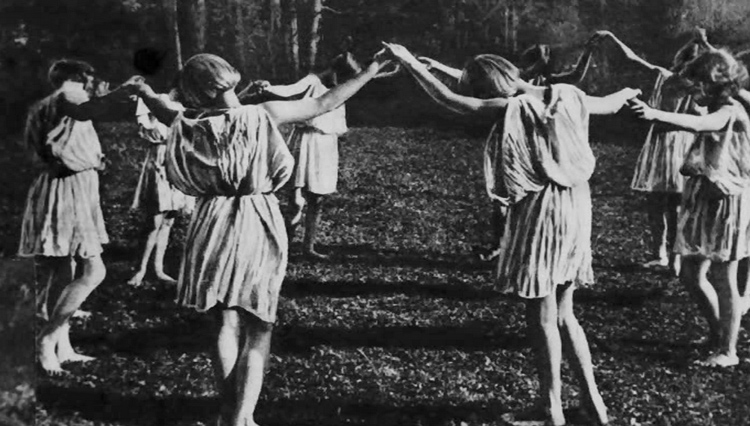
radicalthought.org – Ceremonies are the cornerstone of religious practice, embodying the sacred and the secular in a tapestry of rituals that bind communities together. These ceremonies, often deeply rooted in ancient traditions, serve as a bridge between the divine and the earthly, marking significant life events, seasonal changes, and spiritual milestones. Across the world’s religions, from the grand spectacles of Hindu festivals to the intimate rites of passage in Judaism, these ceremonies reflect the diversity of human spirituality and the universal quest for meaning.
Christianity:
In Christianity, ceremonies are central to worship and life events. Baptism, for instance, is a key ceremony that symbolizes rebirth and cleansing from sin, welcoming individuals into the Christian community. The Eucharist, or Holy Communion, is another significant ceremony, commemorating the Last Supper of Jesus Christ with his disciples, and is celebrated regularly in many Christian denominations. Weddings and funerals are also imbued with religious significance, marking the sacred covenants of marriage and the transition of the soul to the afterlife.
Islam:
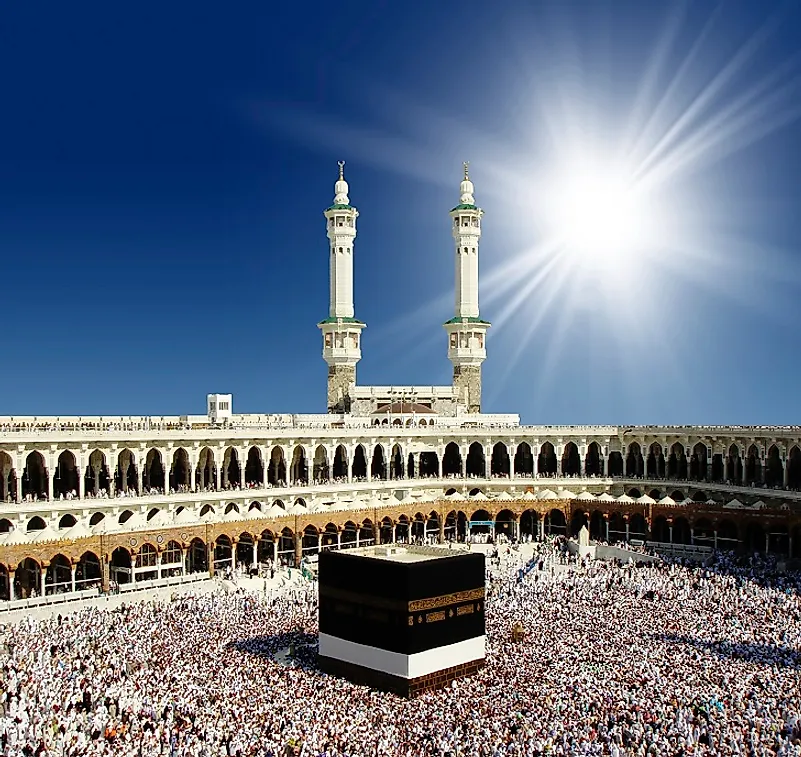
Islamic ceremonies are governed by the teachings of the Quran and the Hadith, with daily prayers (Salah) being the most visible practice. The annual pilgrimage to Mecca, known as Hajj, is a key ceremony for Muslims who are able to undertake it, symbolizing unity and submission to Allah. Ramadan, the holy month of fasting, culminates in the festival of Eid al-Fitr, a joyous celebration that marks the end of the fast and strengthens community bonds. Other significant ceremonies include the circumcision of boys, marriage, and the funeral prayer (Janazah), which honors the deceased and seeks forgiveness for their sins.
Hinduism:
Hindu ceremonies are diverse and often colorful, reflecting the rich tapestry of beliefs and practices within Hinduism. Festivals such as Diwali, the festival of lights, and Holi, the festival of colors, celebrate the triumph of good over evil and the arrival of spring, respectively. Life-cycle rituals, known as Sanskaras, mark various stages of an individual’s life from birth to death, each with its own set of rituals and ceremonies. Pujas, or worship ceremonies, are also common, where devotees offer prayers, flowers, and food to the deities in temples or homes.
Judaism:
Jewish ceremonies are deeply intertwined with the Torah and the Jewish calendar. The Bar Mitzvah and Bat Mitzvah ceremonies mark the coming of age for boys and girls, respectively, when they become responsible for their actions and begin to participate in adult Jewish ritual life. The Passover Seder is a significant ceremony that recounts the Exodus of the Israelites from Egypt, combining storytelling, prayers, and a festive meal. Other key ceremonies include Shabbat, the weekly day of rest, and Yom Kippur, the Day of Atonement, which is the holiest day of the year for atoning for sins.
Buddhism:
Buddhist ceremonies focus on meditation, mindfulness, and the pursuit of enlightenment. Ordination ceremonies are significant, where individuals take vows to become monks or nuns, dedicating their lives to the practice of Buddhism. Festivals such as Vesak commemorate the birth, enlightenment, and passing of the Buddha, with processions, chanting, and the offering of flowers and candles. Funerals in Buddhism are also ceremonies of great importance, with chanting and meditation to aid the deceased’s journey to a better rebirth.
Conclusion:
The sacred and the secular intertwine in the ceremonies of the world’s religions, providing a framework for community, identity, and spiritual growth. These ceremonies, with their rich symbolism and deep-rooted traditions, offer a glimpse into the diverse ways in which humanity seeks to connect with the divine and mark the milestones of life. Whether through prayer, fasting, celebration, or meditation, these ceremonies remind us of our shared human experience and our quest for meaning in the cosmos. As we continue to explore the tapestry of religious ceremonies, we are reminded of the beauty and complexity of our spiritual heritage and the enduring power of ritual to unite and inspire.