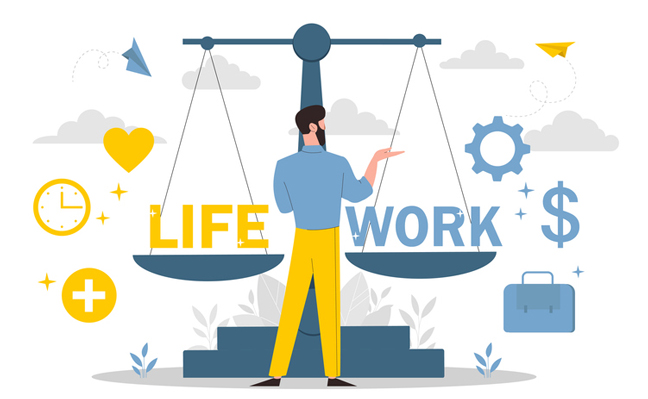
radicalthought.org – In the modern era, achieving work-life balance is a common aspiration among professionals. For Generation X, born between 1965 and 1980, balancing career and family life presents unique challenges and opportunities. Sandwiched between Baby Boomers and Millennials, Gen Xers are often seen as the bridge between traditional work values and contemporary demands for flexibility. This article explores how Gen X navigates the delicate balance between career aspirations and family responsibilities, and how they are redefining work-life balance for future generations.
The Dual Pressure of Career and Family
As Gen Xers entered the workforce, they were often encouraged to pursue ambitious career goals while simultaneously managing growing family responsibilities. Many find themselves caring for both aging parents and young children, leading to the designation of “the sandwich generation.” This dual pressure requires Gen X to develop strategies for managing time and energy effectively, ensuring that neither career nor family is neglected.
Advocating for Flexibility and Remote Work
Gen X has played a pivotal role in advocating for flexible work arrangements and remote work opportunities. Having experienced the rise of digital technology, they understand the potential for these tools to enhance productivity and provide greater control over their schedules. As a result, many Gen Xers prioritize jobs that offer flexibility, allowing them to better balance professional duties with family commitments.
Prioritizing Personal Well-being and Self-care
Recognizing the importance of mental and physical well-being, Gen Xers often prioritize self-care as part of their approach to work-life balance. They understand that maintaining personal health is essential for sustaining both career performance and family responsibilities. This focus on self-care includes setting boundaries, taking regular breaks, and engaging in activities that promote relaxation and rejuvenation.
Redefining Success in Personal and Professional Life
For Gen X, success is increasingly defined by more than just career advancement. While professional achievements remain important, many Gen Xers measure success by their ability to maintain meaningful relationships and a fulfilling personal life. This shift in perspective encourages a holistic approach to career planning, where personal values and family needs are integrated into professional goals.
The Legacy of Gen X in Shaping Work-Life Balance
As Gen X continues to influence workplace culture, their efforts to balance career and family life set a precedent for future generations. By advocating for policies that support flexible work arrangements and prioritizing personal well-being, they are helping to create a more balanced and sustainable approach to work. Their legacy will be one of resilience, adaptability, and a commitment to integrating work with life in meaningful ways.
In conclusion, Generation X’s approach to work-life balance reflects a nuanced understanding of the complexities involved in managing both career and family. Their ability to navigate these challenges with creativity and determination offers valuable insights for all professionals seeking a more balanced and fulfilling life. As they continue to lead by example, Gen Xers are shaping a future where work-life balance is not just an aspiration, but a reality for all.